
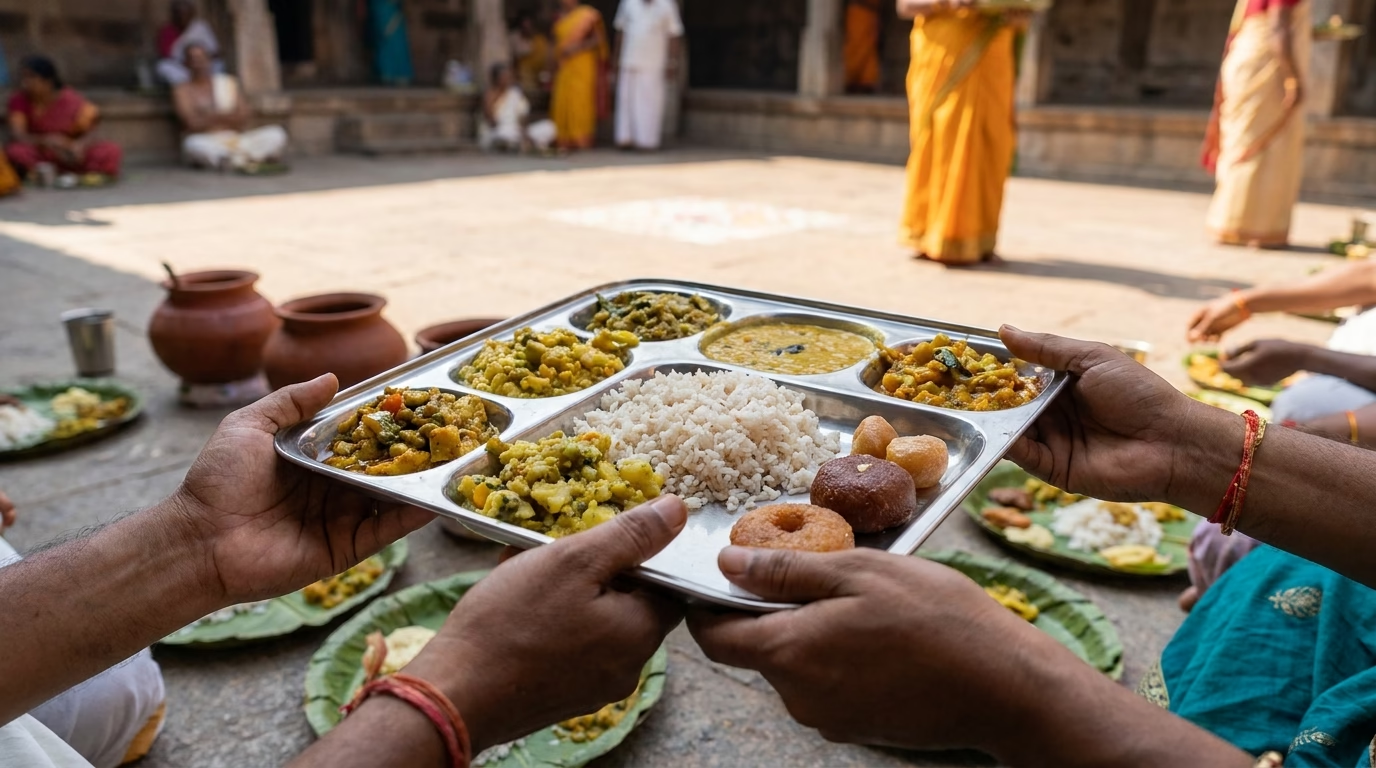
Maha-prasadam is one of the most beautiful gifts in the path of Bhakti Yoga. In simple words, prasadam means “mercy” or “grace.” It refers to food that has been lovingly offered to God and then received back as a sacred blessing.
The word maha means “great.” So maha-prasadam means “great mercy.” It is not ordinary food. It is food touched by devotion, prayer, and divine grace.
In the Bhakti tradition, especially in the teachings of Lord Krishna, food is not only for filling the stomach. Food can become a way to love God, remember God, serve others, and purify the heart. When we prepare food with love, offer it with sincerity, and receive it with gratitude, eating becomes a spiritual practice.
Maha-prasadam reminds us that God is personal, loving, and present in our daily lives—even in the kitchen, at the table, and in a simple shared meal.
The Meaning of Prasadam
The Sanskrit word prasadam comes from a root meaning “kindness,” “favor,” or “graciousness.” In Bhakti Yoga, prasadam is the mercy of the Lord.
When we offer food to Krishna, we are not “feeding” God in the way we feed a hungry person. God is complete and needs nothing from us. But out of love, He accepts our offering. Then, by His grace, the food becomes spiritually blessed.
The Bhagavad-gita explains this beautifully:
“Whoever offers Me with love and devotion a leaf, a flower, a fruit, or water, I accept it.”
— Bhagavad-gita 9.26
This verse shows the heart of Bhakti. God is not impressed by wealth, status, or complexity. He is moved by love. Even a simple fruit, a cup of water, or a leaf can become sacred when offered with devotion.
Why It Is Called Maha-prasadam
In many Bhakti communities, the term maha-prasadam is used especially for food that has been offered to Krishna and then distributed to others. It may also refer to remnants of food offered directly to the Deity in a temple.
“Maha” means great because this sacred food carries great spiritual benefit. It nourishes the body, but more importantly, it nourishes the soul. It helps awaken devotion, soften the heart, and connect us with God.
For this reason, devotees treat maha-prasadam with great respect. It is not seen as “leftovers.” It is honored as divine grace.
The Spiritual Power of Maha-prasadam
Maha-prasadam is central to Bhakti Yoga because Bhakti is a practical path. It is not only philosophy, belief, or ritual. Bhakti is love in action.
We chant, we pray, we serve, we listen to sacred wisdom, and we offer what we have. Food offering is one of the most natural ways to practice this love. Everyone eats. Everyone can offer. Everyone can receive mercy.
Food Becomes Spiritualized
According to Bhakti scriptures, everything belongs to God. The earth, water, fire, air, plants, grains, fruits, and vegetables all come from divine energy. Yet, because we often live with a sense of “this is mine,” we forget the sacred source of everything.
Offering food helps us remember.
Before eating, we pause and say, “My Lord, this is Yours. Thank You for giving this to me. Please accept this offering.”
This simple act transforms consciousness. The food is no longer centered on our own enjoyment. It becomes an expression of gratitude and love.
In the Bhagavad-gita, Krishna says:
“The devotees of the Lord are released from all kinds of sin because they eat food which is offered first for sacrifice.”
— Bhagavad-gita 3.13
Here, “sacrifice” does not mean something dark or frightening. It means offering with a sacred intention. When we offer our food to God, eating becomes purified. It becomes part of a spiritual life.
Prasadam Purifies the Heart
Bhakti Yoga teaches that the soul is naturally loving, joyful, and connected with God. But that natural love becomes covered by selfish desires, anxiety, pride, anger, and forgetfulness.
Maha-prasadam helps cleanse these coverings. Because it is connected with Krishna, it carries spiritual energy. By honoring prasadam regularly, we gradually become more peaceful, grateful, and spiritually awake.
This purification may happen gently and slowly. We may not notice it at first. But over time, we may find ourselves becoming more thoughtful, less restless, and more drawn to prayer, chanting, and service.
A Simple Way to Remember God
Many people feel spiritual life is difficult. They wonder, “How can I remember God in the middle of work, family responsibilities, and daily stress?”
Maha-prasadam gives us a simple answer: begin with your meals.
Every time we cook, offer, serve, or eat, we can remember God. We can turn breakfast into prayer, lunch into gratitude, and dinner into devotion.
This is the mercy of Bhakti Yoga. It brings spiritual life into ordinary moments and makes them sacred.
How to Prepare Food for Krishna
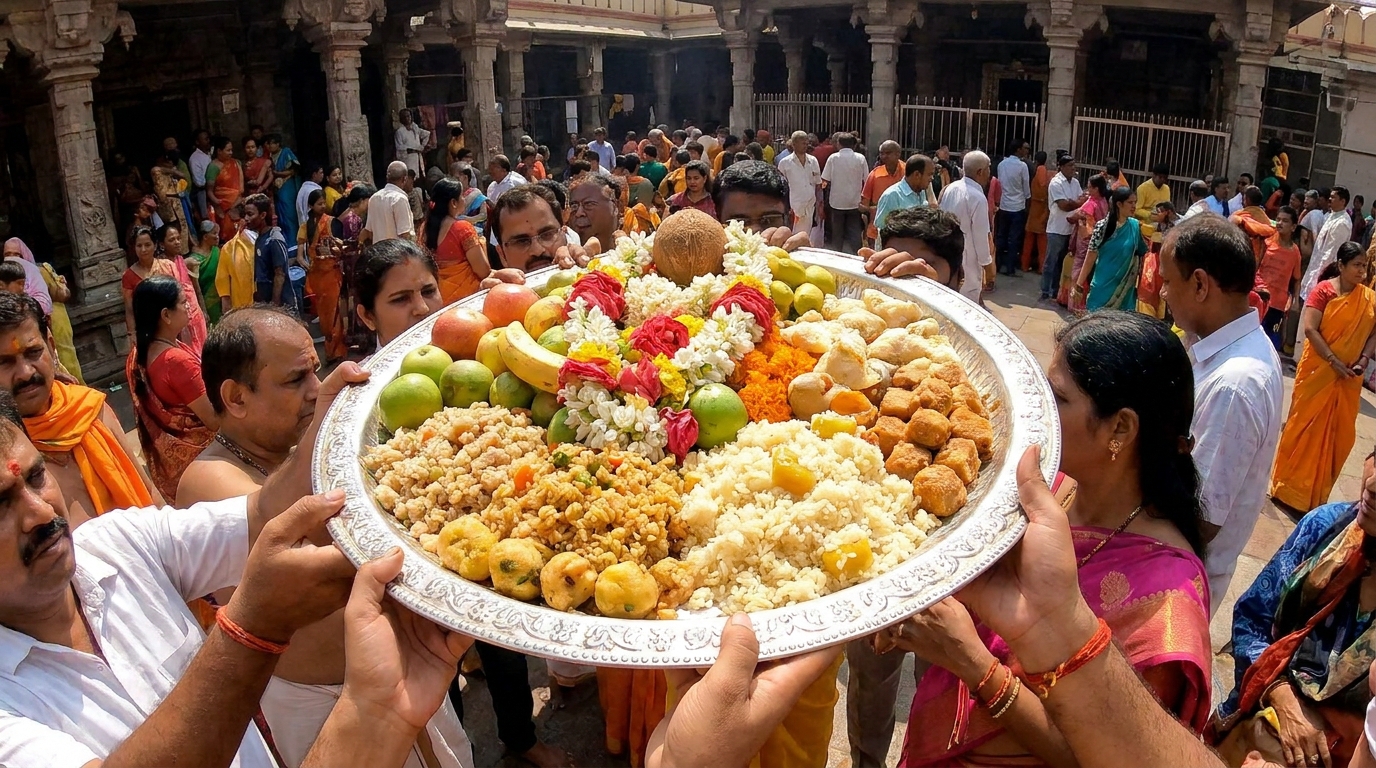
Preparing maha-prasadam begins before the food reaches the plate. It begins with intention.
In Bhakti, cooking is not just a task. It is a loving service. The kitchen can become like a small temple, and the cook can become a servant of the Divine.
You do not need to be perfect. You do not need to know everything. You can begin simply and sincerely.
Cook with Cleanliness and Care
Cleanliness is an important part of devotional cooking. This includes both outer cleanliness and inner cleanliness.
Outer cleanliness means washing hands, using clean pots and utensils, and keeping the cooking area tidy. Inner cleanliness means trying to cook with a peaceful and respectful mood.
Of course, life is real. Sometimes we are tired, busy, or distracted. Bhakti does not ask us to pretend. It invites us to gently return our heart to God again and again.
Before cooking, you may say a short prayer:
“Krishna, please help me prepare this food with love. May it be pleasing to You. May it bless everyone who receives it.”
This kind of prayer changes the whole atmosphere of cooking.
Use Ingredients That Can Be Offered
In the Krishna Bhakti tradition, devotees offer vegetarian foods made without meat, fish, eggs, onion, garlic, or intoxicants. Many also avoid mushrooms and certain processed ingredients depending on their tradition and guidance.
Why these choices?
The aim is to prepare food in a mode of compassion, purity, and clarity. Vegetarian foods—grains, fruits, vegetables, legumes, milk products, nuts, seeds, and natural sweeteners—are considered suitable for offering to Krishna when prepared with devotion.
If you are new, please do not feel discouraged. Begin where you are. Maybe you start by offering fruit, water, or a simple vegetarian meal. Bhakti grows through sincerity, not harshness.
Avoid Tasting Before Offering
A traditional practice in Bhakti cooking is not tasting the food before it is offered. This may sound unusual at first, but the meaning is very sweet.
When we cook for someone we love, we want them to receive the first portion. In devotional cooking, Krishna is the honored guest. We cook for His pleasure first.
After the offering, the food becomes prasadam, and then we honor it gratefully.
If you are worried about flavor, you can learn proportions, follow recipes, and cook with experience. Over time, devotional cooking becomes natural.
Please visit our website for more information on our articles: articles.
How to Offer Food and Receive Maha-prasadam
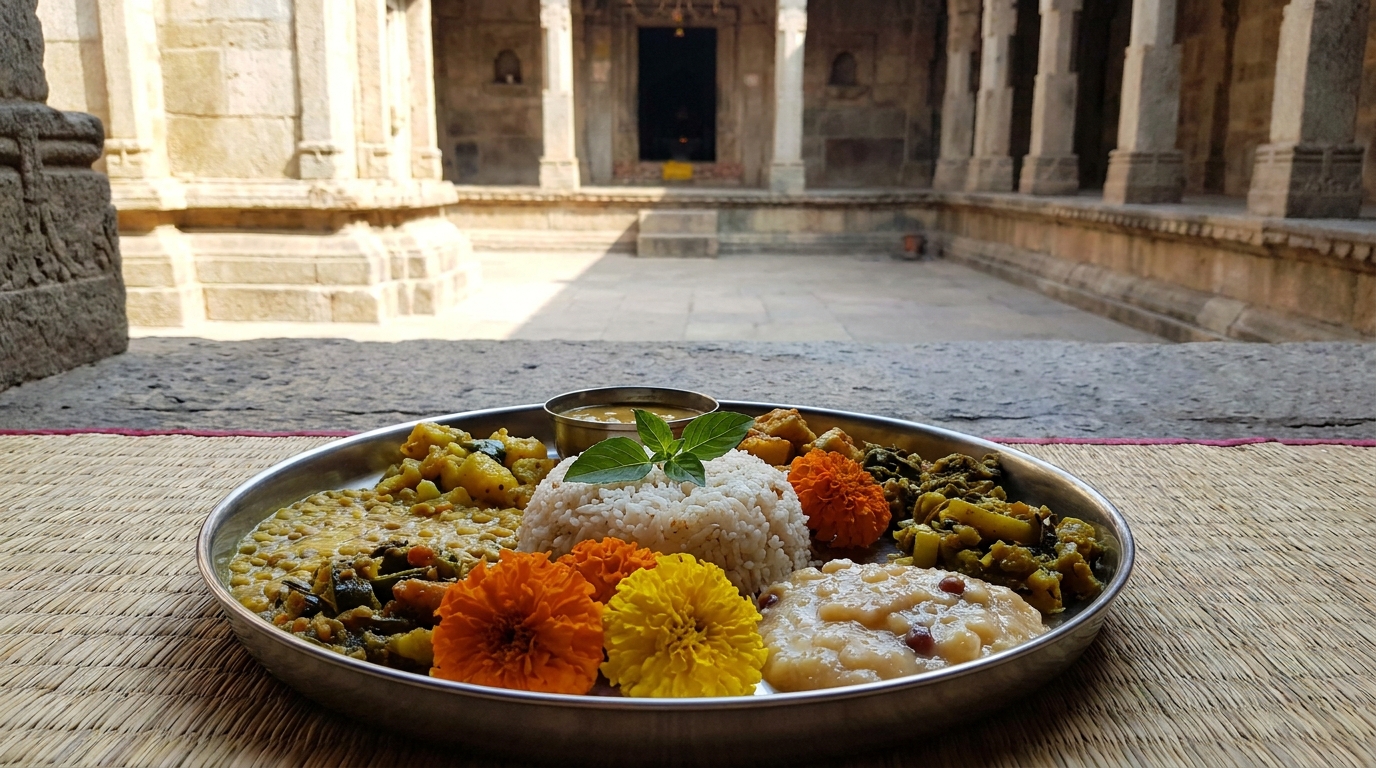
Offering food to Krishna can be very simple. The most important ingredient is love.
You do not need an elaborate altar to begin. If you have a picture of Krishna, Lord Chaitanya, Radha-Krishna, or another sacred form of the Lord, you can place the plate before Him. If not, you can simply offer in your heart with prayer.
A Simple Home Offering
Here is a gentle way to offer food at home:
Prepare a small plate or bowl with a portion of the food. This plate is for Krishna.
Place it before a picture or sacred space, if you have one.
Offer a prayer with devotion. You may use traditional mantras if you know them, or speak from the heart.
You can say:
“My dear Lord Krishna, everything belongs to You. Please accept this food prepared with love. Please bless it and bless all who will honor it.”
Then wait a few minutes in a prayerful mood. You may chant the Hare Krishna maha-mantra:
Hare Krishna Hare Krishna
Krishna Krishna Hare Hare
Hare Rama Hare Rama
Rama Rama Hare Hare
After the offering, the food is considered prasadam. Mix the offered portion back with the rest, or serve it respectfully.
Traditional Offering Prayers
Many devotees chant traditional prayers when offering food. These prayers honor the spiritual teachers and ask Krishna to kindly accept the offering.
If you are connected with a Bhakti community, you can learn the specific prayers used in that lineage. But remember: the essence is devotion.
The Lord accepts love. Sanskrit mantras are powerful and beautiful, but they should not make us feel distant or unqualified. We can approach God as a loving child approaches a loving parent.
How to Honor Prasadam
In Bhakti, we do not say “eat prasadam” as much as “honor prasadam.” This small difference teaches a lot.
To honor prasadam means to receive it with gratitude and respect. We remember, “This is mercy. This is not ordinary food.”
Before honoring maha-prasadam, you may pause and offer thanks:
“Thank You, Krishna, for this mercy. May this food nourish my body and awaken devotion in my heart.”
Try to avoid wasting prasadam. Take what you can honor, and return for more if needed. Share with others whenever possible.
Maha-prasadam in Bhakti Scriptures
Maha-prasadam is praised throughout the Bhakti tradition. It appears in scripture, temple culture, stories of saints, and the daily life of devotees.
Scripture helps us understand that prasadam is not only symbolic. It has real spiritual power because it is connected with the Lord.
Bhagavad-gita: Offering with Love
As mentioned earlier, Bhagavad-gita 9.26 is one of the most important verses for understanding prasadam:
“Whoever offers Me with love and devotion a leaf, a flower, a fruit, or water, I accept it.”
This verse is deeply welcoming. Krishna does not say we must offer rare or expensive things. He mentions simple items available to almost everyone.
The key phrase is “with love and devotion.” The offering becomes meaningful because of the heart behind it.
This is encouraging for all of us. Whether we are long-time practitioners or just beginning spiritual life, we can offer something sincere today.
Srimad-Bhagavatam: Hearing, Chanting, and Serving
The Srimad-Bhagavatam, a major scripture in the Bhakti tradition, teaches that devotional service purifies the heart. Hearing about Krishna, chanting His names, remembering Him, worshiping Him, and serving Him awaken love.
Prasadam is part of this living culture of devotion. It is connected with service (seva), remembrance (smarana), and surrender (saranagati).
When food is offered to Krishna, the act involves hearing and remembering His teachings, serving Him through preparation, and surrendering our sense of ownership. Then receiving prasadam becomes another form of remembrance.
Lord Chaitanya and the Gift of Prasadam
Lord Chaitanya Mahaprabhu, the golden avatar who spread the chanting of the holy names, emphasized the power of Krishna’s name, devotee association, and prasadam.
In the Chaitanya tradition, sharing prasadam is an expression of compassion. It is a way to invite everyone into spiritual life without pressure or judgment.
People may not be ready for deep philosophy. They may not yet understand Sanskrit terms or temple practices. But they can receive a warm plate of prasadam. They can experience kindness, sacred taste, and community.
This is why many Bhakti communities distribute prasadam widely—to guests, seekers, students, families, neighbors, and those in need.
The Difference Between Food, Prasadam, and Maha-prasadam
Understanding these terms can help us appreciate the sacred journey of food in Bhakti Yoga.
Ordinary Food
Ordinary food is prepared for our own enjoyment or nourishment. There is nothing wrong with nourishment, of course. The body is a gift, and caring for it is important.
But ordinary food can keep us centered on ourselves if we forget gratitude and spiritual purpose.
Prasadam
Prasadam is food offered to Krishna with love and then received back as mercy. It is spiritually transformed because the Lord has accepted the devotion behind it.
Even simple food becomes sacred when offered sincerely.
Maha-prasadam
Maha-prasadam often refers to especially honored prasadam, such as food offered directly to the temple Deities or remnants from Krishna and His devotees. In a broader sense, many devotees use maha-prasadam to express deep reverence for any food offered to the Lord.
The main point is respect. Maha-prasadam is divine mercy, and it should be received with a humble heart.
The Practice of Sharing Maha-prasadam
One of the sweetest aspects of maha-prasadam is that it is meant to be shared.
Bhakti is not a private treasure to be locked away. Love grows when it is given. Prasadam carries that spirit of generosity.
Hospitality as Devotion
In many Bhakti homes and temples, guests are welcomed with prasadam. This is not just cultural politeness. It is spiritual hospitality.
When we serve prasadam, we are saying, “You are welcome. You are honored. May you receive God’s mercy.”
This kind of hospitality can heal loneliness and open the heart. A simple meal served with love can become a doorway to spiritual friendship.
Feeding Others with Compassion
Prasadam distribution is a powerful form of service. It brings together physical nourishment and spiritual blessing.
Offering prasadam to others—friends, family, guests, the poor, the lonely, or the curious—is a beautiful way to practice Bhakti Yoga. It does not require preaching forcefully. The food itself carries love.
Many people first encounter Bhakti through prasadam. They taste something different—not only spice or sweetness, but care, prayer, and peace.
Family and Community Connection
Honoring prasadam together can bring families and communities closer. Instead of eating quickly and separately, people can pause, pray, and share.
Children can learn gratitude naturally. Friends can gather around sacred food. Spiritual conversations can arise gently.
Maha-prasadam teaches us that spiritual growth is not always dramatic. Sometimes it looks like cooking together, serving others, washing dishes, singing softly, and thanking God.
Common Questions About Maha-prasadam
Many sincere people have questions when they first learn about maha-prasadam. Questions are welcome. Bhakti is not blind faith. It is a path of thoughtful love.
Can Anyone Receive Maha-prasadam?
Yes. Everyone is welcome to receive prasadam.
You do not need to belong to a particular background, nationality, religion, or level of spiritual practice. Maha-prasadam is mercy, and mercy is meant to be shared.
In the mood of Bhakti, we never want to make people feel unworthy. God’s grace is greater than our limitations.
What If I Do Not Know the Mantras?
You can still offer food with sincerity.
Traditional mantras are wonderful, and learning them can deepen your practice. But if you are beginning, simply pray from the heart. Krishna understands every language and every sincere intention.
You may say, “Dear God, please accept this offering.” That prayer, when spoken with humility, is meaningful.
Can I Offer Store-Bought Food?
Ideally, prasadam is made fresh with offerable ingredients and cooked with devotion. However, you can begin simply.
Fruits, nuts, water, milk, or simple vegetarian items can be offered. With packaged foods, check the ingredients and avoid items that are not suitable for offering in your tradition.
If you are unsure, ask a trusted devotee or Bhakti teacher. The goal is to grow steadily, not anxiously.
What If My Kitchen Is Not Perfect?
Do not be discouraged. Make the best effort you can.
Bhakti is a living relationship. Just as we improve in any relationship through care and attention, we can improve our devotional cooking over time.
Start with cleanliness, gratitude, and sincerity. Krishna sees your heart.
Is Prasadam Only Indian Food?
No. Krishna can accept many types of vegetarian food prepared with devotion.
Indian cuisine has a rich place in Bhakti culture, but prasadam is not limited to one culture. Pasta, soups, salads, breads, roasted vegetables, fruit bowls, rice dishes, and many other foods can be offered when made with suitable ingredients and devotion.
Bhakti Yoga welcomes the heart, not just a particular style of cooking.
Bringing Maha-prasadam Into Daily Life
Maha-prasadam is not only for temples or festivals. It can become part of your everyday spiritual rhythm.
Even one small offering each day can gradually change your consciousness.
Begin with Water or Fruit
If offering full meals feels overwhelming, begin with something simple.
Offer a glass of water. Offer a banana, apple, or a few berries. Offer your morning tea if it is suitable according to your practice. Offer with a short prayer.
Small sincere steps are powerful.
Create a Sacred Mealtime Pause
Before eating, take a moment to breathe, remember God, and give thanks.
This pause helps us move from hurry to gratitude. It reminds us that life is supported by grace in every moment.
You can chant the Hare Krishna maha-mantra once, say a short prayer, or simply close your eyes and offer thanks.
Cook as Seva
Seva means service. In Bhakti Yoga, service is an expression of love for God and all living beings.
When cooking becomes seva, even chopping vegetables or washing pots becomes meaningful. We are no longer just doing chores. We are preparing an offering. We are caring for Krishna’s children.
This mood can transform the home.
Share with One Person
A beautiful way to deepen your relationship with maha-prasadam is to share it.
Offer a piece of fruit to a family member. Bring prasadam cookies to a friend. Invite someone for a simple meal. Serve at a temple or community gathering.
When prasadam is shared with humility, it carries warmth and spiritual blessing.
Maha-prasadam and the Heart of Bhakti Yoga
Bhakti Yoga is the yoga of love and devotion. It teaches that the soul’s deepest need is loving connection with God. Maha-prasadam supports that connection in a very practical way.
It engages the senses, the hands, the mind, and the heart.
Love Through the Senses
Some spiritual paths emphasize withdrawing from the senses. Bhakti Yoga teaches that the senses can be purified by engaging them in God’s service.
The tongue can chant holy names and taste prasadam. The hands can cook and serve. The ears can hear sacred songs and wisdom. The eyes can see the beautiful form of the Lord. The mind can remember Him.
Maha-prasadam shows us that spirituality does not have to reject life. It can sanctify life.
Gratitude Over Consumption
Modern culture often encourages fast consumption: eat quickly, buy more, crave more, waste more. Maha-prasadam teaches another way.
It teaches gratitude.
Instead of asking, “How can I enjoy this?” we ask, “How can I offer this? How can I receive this as mercy? How can I share this with love?”
This shift is simple but profound. It moves us from taking to receiving, from craving to thanking, from isolation to relationship.
A Path for Everyone
One of the most merciful things about maha-prasadam is its accessibility.
Some people may not be ready to meditate for hours. Some may struggle with philosophy. Some may feel unsure about religious identity. But nearly everyone can receive sacred food.
Through prasadam, Bhakti Yoga gently meets people where they are.
No one is too far away. No one is disqualified from grace.
Practical Tips for Honoring Maha-prasadam Respectfully
As our appreciation grows, we naturally want to honor maha-prasadam with care.
These practices are not meant to create fear or pride. They help cultivate gratitude and reverence.
Take Only What You Can Finish
Because prasadam is sacred, we try not to waste it. Start with a small portion and take more if needed.
This practice also teaches mindfulness and simplicity.
Keep Prasadam in a Clean Place
Store prasadam respectfully. Avoid placing it directly on the floor or in unclean areas. Treat it as something special.
The outer respect helps awaken inner respect.
Share Before Keeping Too Much
If there is extra prasadam, consider sharing it. Give some to neighbors, guests, friends, or those in need.
Prasadam is mercy, and mercy expands when it is distributed.
Receive with Humility
Whether the prasadam is a grand feast or a simple raisin, receive it with appreciation.
The value of prasadam is not based on luxury. It is based on Krishna’s mercy.
A Simple Maha-prasadam Practice for Beginners
If you are new to this practice, here is a gentle way to begin today.
Step 1: Choose Something Simple
Select a fruit, a glass of water, or a vegetarian meal made with offerable ingredients.
Step 2: Offer with Prayer
Place it before Krishna, or hold the offering in your heart, and say:
“Dear Lord, please accept this offering. Thank You for Your kindness. May this become Your mercy.”
Step 3: Chant or Sit Quietly
Chant the Hare Krishna maha-mantra, or sit quietly for a few moments in gratitude.
Hare Krishna Hare Krishna
Krishna Krishna Hare Hare
Hare Rama Hare Rama
Rama Rama Hare Hare
Step 4: Honor the Prasadam
Receive it respectfully. Remember that it is grace. Let your meal become a moment of connection with God.
Step 5: Share When You Can
Offer prasadam to someone else with kindness. Even a small sharing can be spiritually powerful.
The Mercy Hidden in a Simple Meal
Maha-prasadam is a complete guide to spiritual living in one sacred practice. It teaches us to cook with love, offer with humility, receive with gratitude, and share with compassion.
It reminds us that God is not far away. He is present in our homes, our kitchens, our prayers, and our everyday choices.
Through maha-prasadam, we learn that devotion does not need to be complicated. A leaf, a flower, a fruit, or water—offered with love—can open the heart to divine grace.
Wherever you are on your journey, you are welcome. Whether you are deeply rooted in Bhakti, exploring spirituality for the first time, returning after a long time, or simply curious, Krishna’s mercy is available.
Take one sincere step. Offer one meal, chant one prayer, share one kindness, receive one plate of maha-prasadam with gratitude. God sees the heart, and every humble offering of love brings us closer to Him.
FAQs
What is Maha-prasadam?
Maha-prasadam refers to the sanctified food offered to deities in Hindu temples. It is considered to be spiritually purifying and is believed to carry the blessings of the deity.
What is the significance of Maha-prasadam?
Maha-prasadam is believed to be imbued with the spiritual energy and blessings of the deity to whom it is offered. Consuming Maha-prasadam is considered to be an act of devotion and is believed to bestow spiritual benefits on the individual.
How is Maha-prasadam prepared?
Maha-prasadam is prepared with great care and devotion by temple priests and volunteers. The food is cooked in a clean and sanctified environment, and it is offered to the deity with prayers and mantras before being distributed to devotees.
Can anyone consume Maha-prasadam?
Maha-prasadam is considered to be sacred and is offered to all devotees, regardless of their caste, creed, or background. It is believed to be spiritually beneficial for anyone who consumes it with reverence and devotion.
What are the common items included in Maha-prasadam?
Common items included in Maha-prasadam may vary from temple to temple, but they often include rice, dal, vegetables, sweets, and fruits. The specific items offered as Maha-prasadam are determined by the customs and traditions of the temple.

