

Every sincere seeker knows this experience.
There are days when prayer feels natural, when chanting the holy names feels sweet, when the heart opens easily, and spiritual life feels full of light. We may feel grateful, inspired, and close to God.
And then there are other seasons.
We sit to chant, but the mind wanders. We open sacred scripture, but the words feel distant. We try to pray, but our heart feels quiet, tired, or even numb. Service that once brought joy may feel heavy. The practices are still there, but the taste seems hidden.
In Bhakti Yoga, the path of loving devotion to God, these times are not signs of failure. They are part of the journey.
A dry season does not mean love is absent. Often, it means love is being deepened beyond emotion.
Bhakti, a Sanskrit word meaning “devotion” or “loving service,” is not only about spiritual feelings. It is a relationship. And like any meaningful relationship, it grows through joy, patience, honesty, commitment, and humble return.
When we continue to show up with sincerity, even in dry times, the heart is quietly being purified and strengthened.
Understanding Dry Seasons in Bhakti Yoga
Dryness Is Not the Same as Distance from God
One of the most tender misunderstandings in spiritual life is thinking, “If I do not feel God, maybe God is far away.”
But in the Bhakti tradition, we are reminded again and again that the Divine is always near. In the Bhagavad Gita, Lord Krishna says:
“I am seated in the heart of all living beings.”
— Bhagavad Gita 15.15
This means that God is not only found in temples, sacred places, or peak spiritual experiences. The Lord is present in the heart, even when the heart feels tired.
A dry season may feel like absence, but it can actually become an invitation to seek God more deeply—not only through emotion, but through trust.
Spiritual Growth Is Not Always Dramatic
Many of us secretly expect spiritual growth to feel inspiring all the time. We may imagine that if we are progressing, we should always feel peaceful, joyful, or uplifted.
But real growth is often quiet.
A seed grows underground before anyone sees a sprout. A river carves stone slowly. A heart becomes soft through many small acts of remembrance, humility, and service.
Bhakti Yoga is not a performance. It is not about appearing spiritual or having constant mystical experiences. It is about becoming more loving, more surrendered, more honest, and more available to God’s grace.
The Seasons of the Heart
Nature teaches us that every season has a purpose.
Spring brings blossoms. Summer brings warmth. Autumn brings letting go. Winter brings stillness and hidden preparation.
The soul also passes through seasons.
A dry season can reveal what we are attached to. Are we practicing only for a feeling? Are we serving only when appreciated? Are we chanting only when it feels sweet? These are not accusations. They are compassionate questions.
In Bhakti, even dryness can become sacred when we bring it honestly before God.
Returning to the Foundation: Consistency Over Intensity
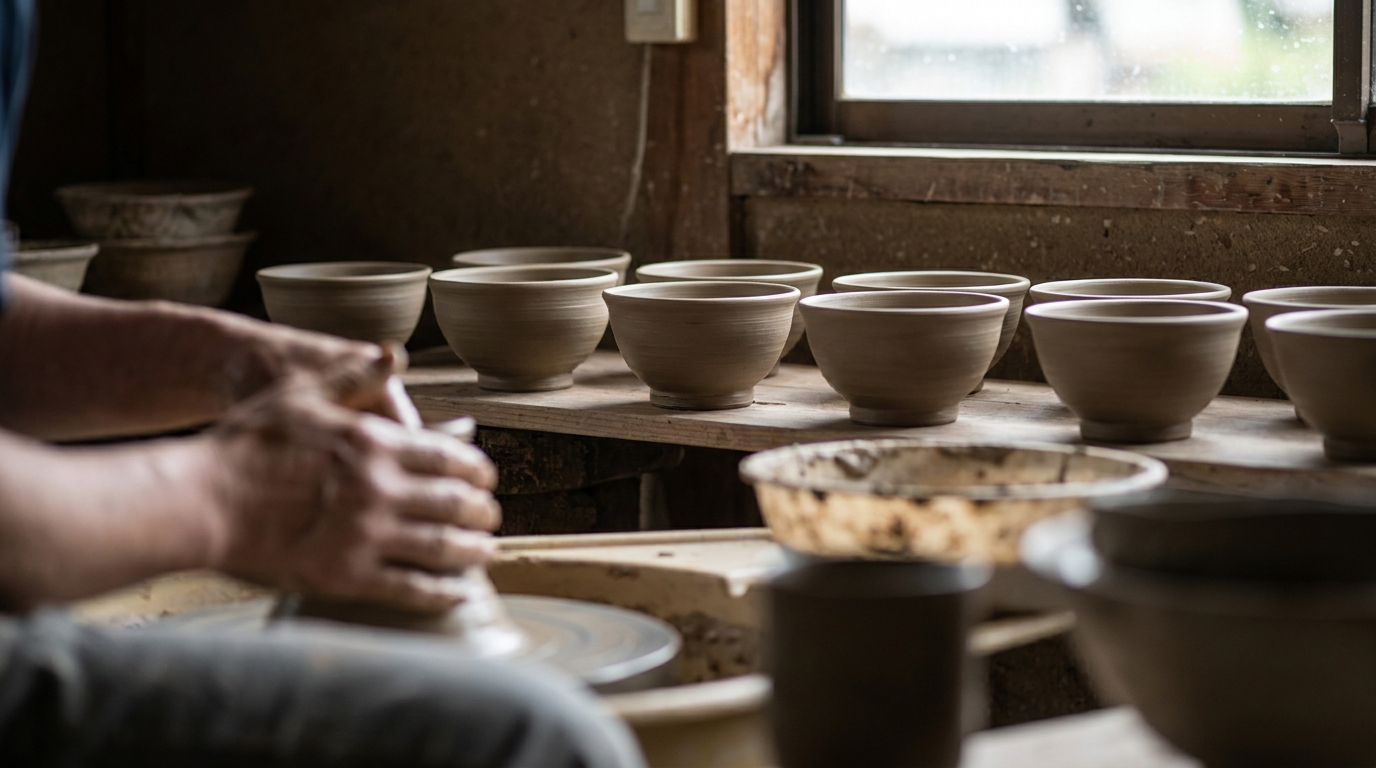
Small Daily Practices Matter
When inspiration is high, we may want to do everything at once—chant more, read more, serve more, pray longer, attend every gathering, and transform our entire life overnight.
This enthusiasm is beautiful. But spiritual life becomes sustainable when it is rooted in steady, realistic practice.
In Sanskrit, the word sadhana means “spiritual practice.” It refers to the regular disciplines that help awaken our loving relationship with God. Sadhana is not meant to be a burden. It is a loving structure, like a lamp we light each day.
During dry seasons, consistency is more important than intensity.
If you cannot chant for a long time, chant a little. If you cannot read a full chapter, read one verse. If your prayer feels simple, offer one sincere sentence.
God receives sincerity, not spiritual theatrics.
The Power of Showing Up
There is great beauty in simply showing up.
To sit for chanting when the mind is restless is an offering.
To pray when you feel unsure is an offering.
To serve when your heart feels tired is an offering.
To return after falling away is a very precious offering.
In the Bhagavad Gita, Krishna encourages Arjuna to continue his duty with devotion, without becoming attached to immediate results:
“You have a right to perform your duty, but not to the fruits of action.”
— Bhagavad Gita 2.47
This verse is practical for dry seasons. We may not control whether we feel spiritually inspired today. But we can still offer our effort. We can still turn toward God.
Bhakti grows through repeated turning.
Rhythm Helps the Heart
A simple daily rhythm can protect us when motivation fades.
For example:
- Chant a set number of holy names each morning.
- Offer your food with gratitude before eating.
- Read one verse from the Bhagavad Gita or Srimad Bhagavatam.
- Say a short prayer before beginning work.
- Perform one act of kindness as service.
- End the day by remembering one thing you are grateful for.
These practices may seem small, but they create a devotional atmosphere around daily life.
Bhakti Yoga is practical. It meets us in the kitchen, the car, the workplace, the home, the school, the hospital room, and the quiet moments before sleep.
Please visit our website for more information on our articles: articles.
Chanting Through the Dryness

Why Chanting Is Central in Bhakti
In Bhakti Yoga, chanting the names of God is one of the most recommended practices for this age.
The Sanskrit word mantra means “that which frees the mind.” A mantra is a sacred sound vibration that helps carry the mind toward God. The most beloved mantra in many Bhakti traditions is the maha-mantra, meaning “great mantra”:
Hare Krishna, Hare Krishna, Krishna Krishna, Hare Hare
Hare Rama, Hare Rama, Rama Rama, Hare Hare
“Hare” calls upon the divine energy of the Lord. “Krishna” means “the all-attractive one.” “Rama” means “the source of joy.” In simple terms, this mantra is a prayer: “O Lord, O divine energy of the Lord, please engage me in Your loving service.”
Chanting is not only music. It is prayer. It is meditation. It is relationship.
When the Holy Name Feels Far Away
Sometimes chanting feels full of sweetness. Other times, the tongue moves but the heart feels absent.
This can be discouraging, but it is not unusual.
The Bhakti scriptures explain that the holy name is spiritually powerful, even when we do not fully perceive it. Just as medicine works even when it tastes bitter, chanting works on the heart even when our mind resists.
The Srimad Bhagavatam describes hearing and chanting about God as cleansing the heart:
“By regularly hearing the Bhagavatam and rendering service to the pure devotee, all that is troublesome to the heart is almost completely destroyed.”
— Srimad Bhagavatam 1.2.18
This cleansing may not always feel pleasant. Sometimes when the heart is being cleansed, we become more aware of our distractions, doubts, impatience, or sadness. But awareness is part of healing.
The practice is working, even when it feels like nothing is happening.
Gentle Ways to Keep Chanting
If chanting feels dry, try softening the practice rather than abandoning it.
You might:
- Chant more slowly.
- Listen to each syllable with care.
- Begin with a short prayer: “Please help me hear Your name.”
- Chant with others in kirtan, devotional singing.
- Walk while softly chanting.
- Read a verse about the holy name before beginning.
- Offer your distraction honestly: “My mind is restless, but I am here.”
Kirtan, the call-and-response chanting of God’s names, can be especially helpful in dry seasons. When our personal practice feels weak, the voices of other devotees can carry us.
We do not have to walk the path alone.
Prayer When You Do Not Know What to Say
Honest Prayer Is Sacred
Some people think prayer must sound polished or poetic. But in Bhakti, prayer is the honest turning of the heart toward God.
If you feel dry, you can pray from that very place.
“Lord, I do not feel much today, but I want to want You.”
“Please help me keep going.”
“Please accept this small effort.”
“Please teach me how to love.”
“I feel far away, but I know You are near.”
These simple prayers are beautiful.
The Lord is not impressed by fancy words. God is moved by sincerity.
The Prayer of Dependence
Dry seasons can teach us dependence.
When spiritual life feels easy, we may unknowingly become proud. We may think our devotion comes from our own strength, intelligence, or discipline. But when the sweetness is hidden, we begin to understand: devotion is a gift.
In Sanskrit, kripa means “mercy” or “grace.” Bhakti grows by grace. Our effort matters, but our effort is not the cause of love by itself. We practice to place ourselves where grace can reach us.
Like opening the curtains does not create the sun, spiritual practice does not manufacture God. It simply lets the light in.
Praying with Scripture
When we cannot find our own words, scripture can help us pray.
The Bhagavad Gita offers many verses that can become personal prayers. For example, Krishna says:
“Always think of Me, become My devotee, worship Me, and offer your homage unto Me. Thus you will come to Me without fail.”
— Bhagavad Gita 18.65
We can turn this into a prayer:
“Krishna, please help me remember You. Please help me become Your devotee. Please accept my worship and guide me back to You.”
Scripture is not only for study. It is also for relationship. We read not merely to gather information, but to hear God’s invitation.
Service as a Bridge Back to Love
Seva: Loving Service in Action
Another important Sanskrit word in Bhakti Yoga is seva, meaning “service.” Seva is not just volunteer work, though it can include that. Seva means offering our actions with love for God and compassion for others.
When the heart feels dry, service can gently reconnect us.
Sometimes we cannot think our way out of spiritual dryness. Sometimes we serve our way through it.
Cooking a meal with devotion, cleaning a sacred space, helping a friend, supporting a temple, welcoming a newcomer, caring for a child, offering our work to God—these can all become seva when done with a prayerful mood.
Serving Without Needing Recognition
Dry seasons often reveal whether we are serving for love or for appreciation.
This is tender, because everyone wants to feel seen. Appreciation is not wrong. But Bhakti invites us to gradually serve for a deeper reason: to please God.
In the Bhagavad Gita, Krishna says:
“Whatever you do, whatever you eat, whatever you offer or give away, and whatever austerities you perform—do that as an offering to Me.”
— Bhagavad Gita 9.27
This verse makes spiritual life wonderfully practical. It means our daily life can become an offering.
Not only temple rituals. Not only formal prayers. Whatever we do can be offered.
When we wash dishes, we can offer the work. When we answer emails, we can offer the effort. When we care for family, we can offer the love. When we rest responsibly, we can offer the body and mind back to God.
Service Softens the Heart
Love grows by being used.
If we wait until we feel loving before we serve, we may wait a long time. But when we serve, even imperfectly, love often begins to awaken.
This does not mean we should ignore exhaustion or unhealthy boundaries. Bhakti is not burnout. True service includes humility, wisdom, and care for the body and mind God has given us.
But a small act of seva can bring warmth into a dry heart.
Try asking: “What is one simple way I can serve today?”
Then do that one thing as an offering.
Spiritual Community in Dry Seasons
The Gift of Sangha
In Sanskrit, sangha means “association” or “community.” In Bhakti, devotional association is essential because the people around us influence our consciousness.
When we are inspired, we may feel strong on our own. But when we are dry, we often need the support of others.
Spiritual community reminds us of what we forget.
A devotee friend may encourage us to chant. A teacher may help us see our struggle with compassion. A kirtan gathering may awaken a spark. A shared meal of prasadam—food offered to God with love—may nourish the soul as well as the body.
We need places where we can be honest, not perfect.
Letting Yourself Be Carried
There is humility in allowing others to help us.
Sometimes we come to spiritual community thinking we must already be spiritually strong. But the Bhakti path is not a stage for the flawless. It is a shelter for souls who are learning to love.
If you are in a dry season, you do not need to disappear.
Come as you are.
Sit in the back if needed. Listen quietly. Receive prasadam. Join one chant. Ask one question. Let the sound, the people, and the atmosphere hold you gently.
Consistency does not always mean doing everything. Sometimes it means staying connected.
Avoiding Comparison
One danger in spiritual community is comparison.
We may see someone chanting with tears, serving with energy, or speaking with deep realization, and think, “I am so far behind.”
But every soul has a unique journey. We do not know another person’s inner struggles, history, or hidden sacrifices.
Bhakti is not a competition. Krishna is not measuring us against one another. The Lord sees the sincerity of each heart.
Your small step may be very great in God’s eyes.
Practical Ways to Stay Consistent
Make Your Practice Simple and Sustainable
If your spiritual routine has become too complicated, simplify it.
A sustainable practice might include:
- A daily chanting commitment.
- A short reading from sacred scripture.
- One prayer in the morning and evening.
- One weekly gathering for kirtan or study.
- One regular act of service.
It is better to keep a small promise than to repeatedly break an unrealistic one.
Start where you are. Let your practice be sincere and steady.
Attach Practice to Daily Habits
One helpful way to build consistency is to connect devotion to things you already do.
For example:
- Chant before checking your phone.
- Pray before drinking your morning tea.
- Listen to kirtan while commuting.
- Read one verse before bed.
- Offer your food before eating.
- Speak one gratitude prayer while washing your hands.
These small anchors help spiritual life become woven into ordinary life.
Bhakti Yoga is not an escape from daily life. It is the transformation of daily life through devotion.
Keep a Devotional Journal
Writing can help during dry seasons.
You might journal about:
- What you are grateful for.
- What feels difficult in your practice.
- A verse that touched you.
- A prayer you want to offer.
- A moment when you noticed grace.
- A quality you want to cultivate.
Sometimes we do not realize God has been guiding us until we look back.
A journal can become a record of mercy.
Reduce What Drains Your Consciousness
Staying consistent is not only about adding spiritual practices. It is also about noticing what weakens our heart.
Too much distraction, gossip, comparison, media overload, unhealthy habits, or constant busyness can make the heart feel dry.
We do not need to become harsh or fearful. But we can become thoughtful.
Ask gently: “What helps me remember God? What makes me forget?”
Then make small changes.
A little less noise can make room for prayer. A little less scrolling can make room for chanting. A little less hurry can make room for gratitude.
What Dry Seasons Can Teach Us
Humility
Dryness can humble us in a healing way.
It reminds us that we are not the controllers of spiritual taste. We cannot force divine love to appear on command. We can only offer ourselves and wait with faith.
This humility is not discouraging. It is freeing.
We do not have to pretend. We do not have to manufacture emotion. We can simply come before God honestly.
“Here I am. Please accept me.”
Faith Beyond Feeling
In Sanskrit, shraddha means “faith.” In Bhakti, faith is not blind belief. It is a seed of trust that grows through practice, experience, and grace.
Dry seasons invite our faith to mature.
When we continue chanting without immediate sweetness, we are saying, “I trust the holy name.”
When we continue praying without dramatic signs, we are saying, “I trust that God hears.”
When we continue serving without recognition, we are saying, “I trust that love matters.”
When we return after wandering, we are saying, “I trust that mercy is greater than my weakness.”
This kind of faith becomes deep and steady.
Longing
Sometimes dryness awakens longing.
When we do not feel close to God, we may begin to realize how much we truly need Him. That longing itself is sacred.
In many Bhakti poems and scriptures, the great devotees express separation from the Lord. Their longing is not considered a lack of devotion, but a profound expression of love.
Of course, our dryness may not be on that elevated level. But even a small longing—“I wish I could love God more”—is a precious beginning.
Offer that longing. Protect it. Let it draw you forward.
When Dryness Is Connected to Pain or Exhaustion
Be Gentle with Your Whole Self
Sometimes what we call spiritual dryness may also be connected to grief, depression, stress, trauma, illness, burnout, or exhaustion.
Bhakti Yoga honors the soul, and it also respects the human condition. We are embodied beings. The body and mind affect our practice.
If you are deeply struggling, please do not shame yourself. Seek support. Speak with trusted spiritual mentors, caring friends, and qualified professionals when needed.
Getting help is not a lack of faith. It can be part of honoring the life God has given you.
Rest Can Be Devotional
Rest is not laziness when it is needed and offered properly.
Sometimes the most devotional step is to sleep, eat nourishing food, take a walk, breathe, ask for help, or reduce unnecessary commitments.
A tired heart may not need more pressure. It may need tenderness.
You can pray: “Lord, I offer this rest to You. Please restore me so I can serve with love.”
Even rest can become part of Bhakti when offered with gratitude.
Do Not Confuse Discipline with Harshness
Consistency is important, but harshness can damage the heart.
Bhakti is disciplined, but it is not cold. It is committed, but it is not cruel. The goal is love of God, not self-punishment.
If you miss a practice, return. If you fall short, return. If you feel unworthy, return.
The path is made of returning.
Again and again, we turn back toward the One who never stopped loving us.
Trusting Krishna’s Timing
Grace Works Beneath the Surface
In dry seasons, we may wonder, “Is anything happening?”
Yes, something may be happening beneath the surface.
The holy name may be softening pride. Scripture may be planting wisdom. Service may be loosening selfishness. Prayer may be teaching dependence. Community may be restoring hope.
Not all transformation is visible right away.
A gardener waters the soil before seeing flowers. A devotee continues practice before tasting deep love. Both are acts of trust.
The Lord Sees Every Effort
Krishna assures us in the Bhagavad Gita:
“In this endeavor there is no loss or diminution, and a little advancement on this path can protect one from the greatest fear.”
— Bhagavad Gita 2.40
This is such a merciful promise.
No sincere effort in Bhakti is wasted.
One mantra, one prayer, one act of service, one tear, one honest confession, one moment of humility—God sees it all.
Even if we forget our offerings, the Lord does not.
Love Ripens Slowly
In Bhakti, the ultimate goal is prema, pure love of God. Prema is not ordinary emotion. It is the soul’s awakened love, free from selfishness and full of joy.
Such love ripens over time.
We do not need to demand that we be advanced today. We can simply take the next sincere step.
The path is not about forcing ourselves into perfection. It is about allowing God’s grace to gradually transform us.
A Simple Devotional Plan for a Dry Season
Morning: Begin with Remembrance
Before entering the noise of the day, pause.
You might say:
“Dear Lord, thank You for this day. Please guide my thoughts, words, and actions. Please help me remember You.”
Then chant, even briefly. If you have beads, chant on your beads. If not, chant softly wherever you are.
Let the first turning of the day be toward God.
Midday: Offer What You Are Doing
In the middle of the day, pause again.
Ask: “Can I offer this next action?”
Whether you are working, studying, parenting, driving, cooking, cleaning, or resting, offer it.
“Krishna, please accept this effort.”
This transforms ordinary activity into devotional practice.
Evening: Return with Gratitude
Before sleep, take a few moments to reflect.
You might ask:
- Where did I remember God today?
- Where did I forget?
- What mercy did I receive?
- What can I offer from this day?
Then pray simply.
“Thank You for carrying me. Please forgive my mistakes. Please help me try again tomorrow.”
This creates a gentle cycle of remembrance, offering, and return.
You Are Not Alone in the Dry Season
If you are walking through a dry season, please know this: you are not the only one.
Many sincere practitioners, saints, seekers, and servants have passed through times of spiritual dryness. The path of Bhakti Yoga is full of tenderness precisely because it meets us in our real condition.
You do not have to pretend to be inspired. You do not have to hide your struggle. You do not have to earn God’s love by being emotionally radiant all the time.
Come honestly.
Chant honestly.
Pray honestly.
Serve honestly.
Rest honestly.
Return honestly.
The Lord is not far from you.
The holy name is still powerful. Scripture is still speaking. Service still purifies. Community still supports. Grace is still flowing, even if quietly.
Dry seasons do not last forever. And even while they remain, they can become sacred ground.
Sometimes the deepest devotion is not the song we sing when everything feels bright. Sometimes it is the whisper we offer in the dark: “I am still Yours.”
Everyone Is Welcome to Take One Sincere Step
Bhakti Yoga is a path of love, and love grows one sincere step at a time.
You may come from any background, any tradition, any culture, any history, or no religious background at all. You are welcome. Your questions are welcome. Your doubts are welcome. Your longing is welcome. Your small beginning is welcome.
If your heart feels dry, begin gently.
Chant one name of God. Offer one prayer. Read one verse. Serve one person. Attend one kirtan. Share one honest conversation. Take one humble step toward the Divine.
God sees the heart.
And in Bhakti, no sincere step is ever wasted.
FAQs
What are dry seasons?
Dry seasons are periods of time when there is a lack of rainfall, leading to drought conditions and a shortage of water. These seasons can vary in length and severity depending on the region.
How can one stay consistent during dry seasons?
To stay consistent during dry seasons, it is important to prioritize water conservation, maintain a routine for watering plants, and utilize water-saving techniques such as mulching and drip irrigation. Additionally, choosing drought-resistant plants can help maintain a consistent garden during dry periods.
What are some tips for gardening during dry seasons?
During dry seasons, it is important to water plants deeply and less frequently to encourage deep root growth. Mulching can help retain soil moisture, and choosing drought-resistant plants can reduce the need for excessive watering. Additionally, gardening during cooler times of the day can minimize water evaporation.
How do dry seasons impact agriculture?
Dry seasons can have a significant impact on agriculture, leading to reduced crop yields, water shortages for irrigation, and increased stress on livestock. Farmers may need to implement water-saving techniques, adjust planting schedules, and diversify crops to adapt to dry conditions.
What are some ways to conserve water during dry seasons?
To conserve water during dry seasons, individuals can implement water-saving practices such as fixing leaks, using water-efficient appliances, collecting rainwater for irrigation, and reducing outdoor water usage. Additionally, xeriscaping and choosing native plants can minimize the need for excessive watering.

