
If you have ever seen a Bhakti practitioner with a graceful clay marking on the forehead, you may have wondered what it means. That sacred clay is often called Gopi Chandan—also spelled Gopi Chandana—and it is much more than an outer symbol.
In the Bhakti tradition, Gopi Chandan is a simple, earthy reminder: “I belong to God. My body is a temple. My life is meant for loving service.”
Whether you are new to Bhakti Yoga, returning after some time away, or simply curious, you are welcome here. This guide will gently walk you through what Gopi Chandan is, where it comes from, how it is used, and how it can support a practical spiritual life of chanting, prayer, service, humility, and love.
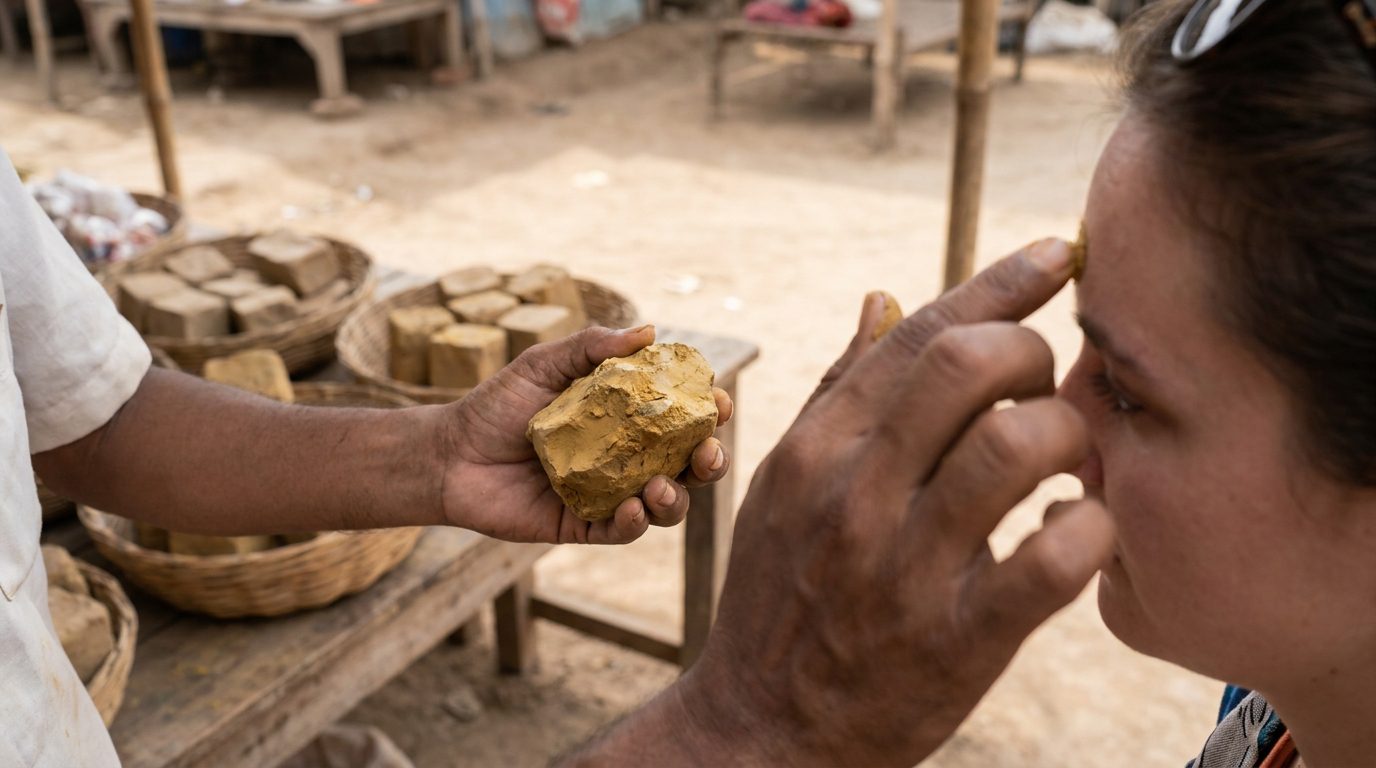
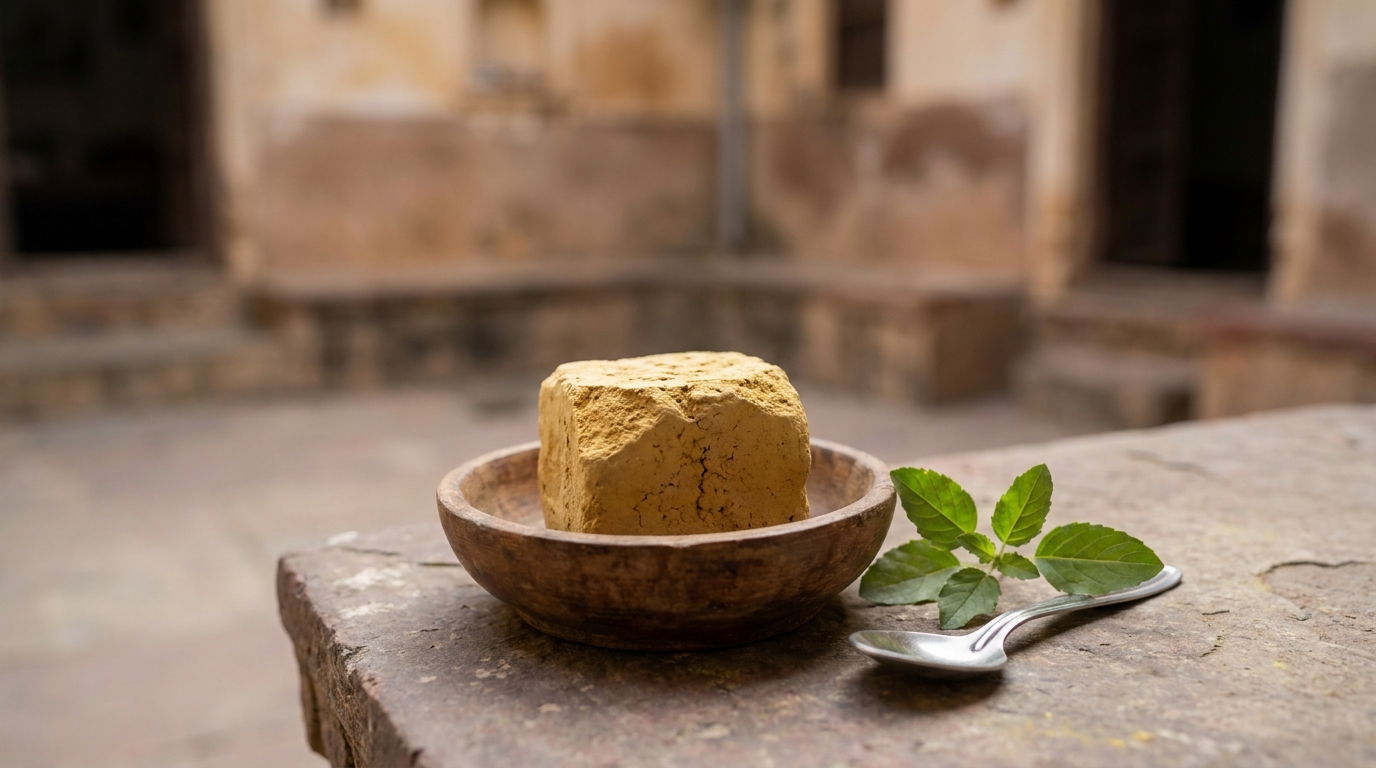
Gopi Chandan is a sacred clay used by many Vaishnava devotees—those who worship Vishnu, Krishna, Rama, Narayana, or other forms of the Supreme Lord. It is usually light yellow, beige, or pale tan in color and is formed into small sticks, blocks, or tablets.
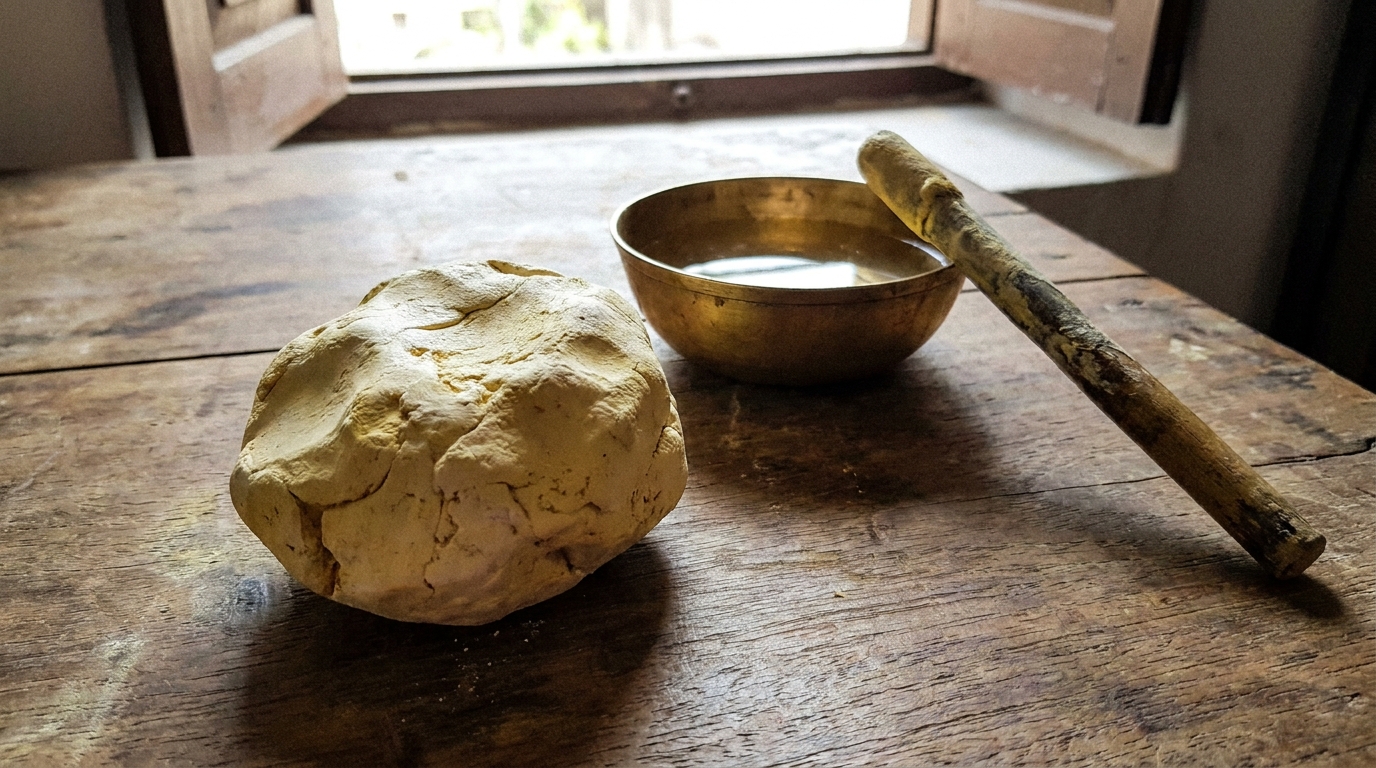
When mixed with a little water, it becomes a smooth paste. Devotees apply this paste as tilaka, a sacred marking placed on the body, especially the forehead.
The Meaning of the Name
The word Gopi refers to the cowherd maidens of Vrindavan, who are celebrated in Bhakti scriptures as the highest examples of pure love for Krishna. Their love was not motivated by wealth, status, or liberation. They loved Krishna simply because He was Krishna.
The word Chandan usually means sandalwood paste, but in this context, Gopi Chandan refers to a special sacred clay. Though it is not always sandalwood, it is used in a similar devotional way—as a cooling, purifying, and sanctifying substance.
So, in a simple sense, Gopi Chandan means sacred clay connected with the loving devotion of the gopis and the holy places of Krishna’s pastimes.
Where Does Gopi Chandan Come From?
Traditionally, Gopi Chandan is associated with Dwaraka in Gujarat, India, especially the sacred area known as Gopi Talav. Dwaraka is revered as the kingdom of Lord Krishna, where He lived as a king after His childhood pastimes in Vrindavan.
Many devotees believe that Gopi Chandan carries the blessings of Krishna’s devotees and the sacred land where Krishna performed His divine activities. Because of this, it is treated with great respect.
Some traditions also connect Gopi Chandan with the dust of holy places. In Bhakti, the dust of sacred land is not seen as ordinary. It is honored because it has touched the feet of saints, sages, and devotees who remembered God with love.
Why Devotees Wear Gopi Chandan Tilaka
The most visible use of Gopi Chandan is as tilaka. Tilaka is a sacred marking placed on the body to remind us of our spiritual identity.
In Bhakti Yoga, we are not merely the body, mind, profession, nationality, or social identity. We are eternal souls—beloved parts of God. Tilaka helps us remember this truth throughout the day.
Tilaka Means the Body Is a Temple
Many Vaishnava tilaka markings have two vertical lines, often meeting near the bridge of the nose or forming a leaf-like shape. These lines represent the feet of the Lord or the temple of the Lord.
The space between the lines may represent the Lord’s presence in the heart, and in some traditions the central line or leaf shape represents Tulasi Devi, the sacred basil plant beloved by Krishna.
When a devotee applies tilaka, the mood is:
“This body is not meant for selfishness. This body is a temple of God. May my thoughts, words, and actions become offerings.”
This is a powerful meditation. It turns an ordinary morning routine into prayer.
A Reminder of Surrender
The Bhagavad Gita teaches that spiritual life reaches its heart in surrender. Krishna says:
“Abandon all varieties of religion and simply surrender unto Me. I shall deliver you from all sinful reactions. Do not fear.”
—Bhagavad Gita 18.66
This verse is not meant to frighten us. It is an invitation into trust. Surrender does not mean becoming passive or losing ourselves. It means offering ourselves to divine love.
Wearing Gopi Chandan tilaka can become a daily way to say, “Krishna, I am Yours. Please guide me.”
A Sign of Devotional Identity
Tilaka also helps devotees remember their spiritual community. Just as someone may wear a wedding ring to remember a sacred relationship, a devotee may wear tilaka to remember their relationship with God.
It is not meant to create pride or separation. It is not a symbol that says, “I am better than others.” In true Bhakti, it says, “I am trying to become a servant. I am trying to remember God.”
That humility is essential.
The Spiritual Significance of Gopi Chandan
Gopi Chandan is not magic. It is not a substitute for kindness, sincerity, or devotion. But when used with faith and prayer, it can support the heart.
Bhakti Yoga is practical. It engages the body, voice, mind, and heart in loving connection with God. Gopi Chandan is one of the ways the body becomes part of spiritual practice.
Sacred Clay and Sacred Memory
In the Bhakti tradition, matter can become spiritualized when used in God’s service. A flower offered with love, water offered with devotion, food cooked for Krishna, or clay worn as tilaka can all become reminders of divine connection.
Krishna says in the Bhagavad Gita:
“If one offers Me with love and devotion a leaf, a flower, a fruit, or water, I will accept it.”
—Bhagavad Gita 9.26
The key is love. The offering may be simple, but if the heart is sincere, it becomes spiritually meaningful.
In the same way, Gopi Chandan is simple clay. But when applied with devotion, prayer, and remembrance, it becomes part of the path of love.
Connection to the Gopis’ Devotion
The gopis of Vrindavan are celebrated in the Srimad Bhagavatam, one of the most treasured Bhakti scriptures, as examples of complete absorption in Krishna. Their devotion was selfless, intense, and pure.
For newcomers, this can be understood simply: the gopis represent the soul’s deepest longing for God. They show us that the highest spiritual life is not dry duty, fear, or intellectual pride. It is love.
When we use Gopi Chandan, we can pray for even a small drop of that pure devotion.
Not imitation. Not performance. Just a sincere longing:
“May I love God more honestly today.”
Humility in Practice
There is a beautiful lesson in using clay. Clay is humble. It comes from the earth. It reminds us that the body itself is temporary.
We may have many plans, achievements, and worries, but one day this body returns to the earth. Rather than making us sad, this truth can make us wise.
Gopi Chandan helps us remember:
- Life is sacred.
- Time is precious.
- The soul is eternal.
- Love for God is the real treasure.
Please visit our website for more information on our articles: articles.
How to Apply Gopi Chandan Tilaka
Applying Gopi Chandan is simple. Different Vaishnava traditions may have slightly different shapes, mantras, and methods, so it is always good to learn from a trusted teacher or devotional community. But the basic process is accessible to everyone.
What You Need
You only need:
- A stick or piece of Gopi Chandan
- A small amount of clean water
- A clean surface, small dish, or palm of the hand
- A peaceful intention
Some devotees keep a small tilaka kit at home or in their bag. Others apply it only before worship, chanting, festivals, or visiting the temple.
Making the Paste
Place a few drops of water on the Gopi Chandan and rub it gently on a clean stone, dish, or your palm. The clay will slowly form a smooth paste.
Try not to rush. This can become a quiet moment of prayer before your day begins.
You might softly chant the maha-mantra:
**Hare Krishna Hare Krishna
Krishna Krishna Hare Hare
Hare Rama Hare Rama
Rama Rama Hare Hare**
This mantra is a prayer calling out to God through the names Krishna and Rama, asking to be engaged in loving service.
Applying Tilaka on the Forehead
Most Vaishnava devotees apply two vertical lines from the bridge of the nose upward toward the hairline, with a central line or leaf shape depending on their tradition.
A simple way is:
- Use your ring finger or a tilaka stamp if you have one.
- Draw one line upward on the left side of the forehead.
- Draw another line upward on the right side.
- Add the central mark according to your tradition.
If you are just beginning, do not worry if it is not perfect. The Lord sees the heart.
The Twelve Tilaka Marks
Many devotees apply tilaka to twelve places on the body while chanting names of Vishnu or Krishna. This is called applying urdhva-pundra, the upward sacred mark associated with Vaishnavas.
The twelve places and names commonly used are:
- Forehead — Om Keshavaya Namah
- Belly — Om Narayanaya Namah
- Chest — Om Madhavaya Namah
- Throat — Om Govindaya Namah
- Right side of abdomen — Om Vishnave Namah
- Right arm — Om Madhusudanaya Namah
- Right shoulder — Om Trivikramaya Namah
- Left side of abdomen — Om Vamanaya Namah
- Left arm — Om Sridharaya Namah
- Left shoulder — Om Hrishikeshaya Namah
- Upper back — Om Padmanabhaya Namah
- Lower back or back of neck — Om Damodaraya Namah
The word Namah means “I offer respect” or “I bow.” Each name honors a form or quality of the Lord.
If this feels like a lot at first, begin with the forehead. Bhakti grows naturally through sincere steps.
Gopi Chandan in Daily Bhakti Yoga
Bhakti Yoga means the yoga of devotion—the path of connecting with God through love. Gopi Chandan is one part of a larger devotional life. It works best when joined with chanting, prayer, study, and service.
Chanting and Tilaka
Chanting the holy names is central in Bhakti Yoga. The names of God are considered non-different from God, meaning that when we chant sincerely, we come into direct spiritual contact.
Applying Gopi Chandan before chanting can help prepare the mind. It says, “Now I am entering sacred time.”
You may chant on beads, sing in kirtan, or simply repeat God’s names quietly. The important thing is sincerity.
Prayerful Morning Routine
A simple morning practice may look like this:
- Wash your face or bathe
- Apply Gopi Chandan tilaka
- Offer a short prayer
- Chant the maha-mantra or another name of God
- Read a few verses from Bhagavad Gita or Srimad Bhagavatam
- Ask, “How can I serve today?”
This does not need to be complicated. Even ten sincere minutes can transform the direction of the day.
Service as the Heart of the Practice
Tilaka is meaningful when it inspires service. Service in Sanskrit is called seva. It means loving action offered for God and the welfare of others.
Seva may include:
- Cooking and offering vegetarian food to Krishna
- Helping at a temple or spiritual gathering
- Caring for family with patience
- Feeding guests
- Supporting those in need
- Sharing wisdom gently
- Listening with compassion
- Cleaning a sacred space
- Using your work as an offering
When we wear Gopi Chandan, we can ask: “May these hands serve. May these words heal. May this life be useful.”
Scriptural References and Traditional Teachings
The practice of wearing sacred Vaishnava tilaka is honored in several devotional texts and traditions. While different lineages may emphasize different details, the overall purpose is the same: to remember the Lord and dedicate the body to divine service.
Padma Purana and Vaishnava Tilaka
The Padma Purana praises the wearing of Vaishnava tilaka and describes it as spiritually protective and pleasing to the Lord. Traditional teachings say that the body marked with tilaka becomes recognized as a temple of Vishnu.
A practical way to understand this is simple: sacred symbols shape consciousness. When we mark the body in a mood of devotion, we are training ourselves to remember that our life belongs to God.
Hari-bhakti-vilasa
The Hari-bhakti-vilasa, a traditional Vaishnava guidebook compiled by Sanatana Goswami and Gopala Bhatta Goswami, discusses devotional practices, including tilaka, worship, cleanliness, mantras, and daily conduct.
This text reminds us that Bhakti is not only an emotion. It is a way of life. It includes how we rise, speak, eat, serve, remember, and relate to others.
Gopi Chandan tilaka, then, is part of a complete devotional culture—one that helps the heart become steady in love.
Srimad Bhagavatam: The Inner Goal
The Srimad Bhagavatam teaches that the highest spiritual practice is that which awakens loving devotion to the Supreme Lord. It says that real religion is not based on selfish gain but on uninterrupted and unmotivated love for God.
This is the key to understanding Gopi Chandan.
The clay is not the goal. The mark is not the goal. Even the ritual is not the final goal.
The goal is love.
If Gopi Chandan helps us remember Krishna, become more humble, chant more sincerely, and serve more kindly, then it is serving its true purpose.
Common Questions About Gopi Chandan
Many people feel shy about asking practical questions. Please know that questions are welcome. Bhakti grows through honest inquiry.
Can Anyone Wear Gopi Chandan?
Yes, anyone may wear Gopi Chandan respectfully. You do not need to be born into a particular culture or background to begin devotional life.
Bhakti is the path of the soul. The soul is beyond nationality, race, gender, wealth, age, and social status.
That said, it is wise to learn the meaning and wear it with humility. Sacred symbols should not be used as fashion or decoration without respect. But if your desire is to remember God, you are welcome.
Do I Need Initiation to Wear Tilaka?
In many Bhakti communities, devotees wear tilaka even before formal initiation. Initiation, known as diksha, is a sacred commitment between a teacher and student, but sincere practice can begin before that.
If you are connected with a particular lineage, follow the guidance of your teachers. If you are exploring, you may apply tilaka simply and prayerfully, asking God to guide your next step.
Is Gopi Chandan Only for Men?
No. Gopi Chandan is not only for men. Women also wear tilaka in many Vaishnava traditions, though customs may vary by community, temple, or family.
The essence is remembrance of God. Bhakti belongs to everyone.
Can I Wear Gopi Chandan at Work or School?
Yes, if you feel comfortable. Some devotees wear full tilaka publicly. Others apply clear water tilaka or a very light mark when in professional settings.
The purpose is remembrance, not display. If wearing visible tilaka helps you remember God and act with integrity, it can be beautiful. If it creates anxiety or unnecessary conflict, you may practice in a more private way.
God sees the heart.
What If People Ask Me About It?
You can answer simply:
“This is called tilaka. It is a sacred marking made with clay. It reminds me that my body is a temple and that I want to live in service to God.”
There is no need to preach forcefully. A gentle explanation can open meaningful conversations.
How to Choose and Care for Gopi Chandan
Because Gopi Chandan is sacred, it is best to obtain it from a trusted devotional source, temple shop, or reputable supplier.
Choosing Authentic Gopi Chandan
Look for Gopi Chandan that is:
- Traditionally sourced
- Free from artificial fragrance or chemicals
- Sold by a trusted devotional community or supplier
- Clean, natural, and simple
Some Gopi Chandan comes in long sticks, while others come in small blocks or tablets. Any form is fine if it is genuine and used respectfully.
Storing It Respectfully
Keep your Gopi Chandan in a clean place, ideally with your prayer beads, scripture, altar items, or devotional supplies.
Avoid placing it on the floor, in unclean areas, or mixed with ordinary cosmetics. This is not about fear. It is about cultivating reverence.
When we treat sacred things respectfully, the heart becomes more respectful too.
Traveling With Gopi Chandan
Gopi Chandan is easy to carry. Many devotees keep a small piece in a pouch or container. If you travel often, bring a small amount and apply it as part of your morning practice.
It can be especially grounding while traveling, when routines are easily disturbed. A little tilaka, a little chanting, and a little prayer can make any place feel connected to Krishna.
The Inner Mood: More Important Than the Mark
It is possible to wear tilaka and still be proud. It is possible to know mantras and still be unkind. Bhakti asks us to go deeper.
Gopi Chandan is meant to soften us.
Wearing Tilaka With Humility
When we apply tilaka, we can pray:
“May I not judge others. May I not become proud. May I remember that I am a servant. May I honor every soul.”
This mood protects the practice from becoming external.
The scriptures repeatedly teach that humility is essential for chanting and devotion. Sri Chaitanya Mahaprabhu, the great teacher of divine love and congregational chanting, taught that one should be humbler than a blade of grass, more tolerant than a tree, and ready to offer respect to others.
This is the mood in which the holy name can be chanted constantly.
Tilaka Should Inspire Character
The true beauty of Gopi Chandan is not only how it looks on the forehead. It is how it shapes the heart.
If we wear tilaka, let us try to also wear:
- Patience
- Compassion
- Truthfulness
- Cleanliness
- Gratitude
- Forgiveness
- Devotion
Then the outer mark and inner life begin to match.
A Daily Check-In
Before leaving home with tilaka, you might ask:
- Am I remembering God?
- Am I willing to serve today?
- Am I treating others kindly?
- Am I acting as a representative of Bhakti?
- Am I depending on grace?
These questions turn tilaka into a living practice.
Gopi Chandan and the Practice of Offering
Bhakti Yoga teaches that everything can be offered. Our food, work, relationships, words, and struggles can all become part of spiritual life.
Gopi Chandan helps us begin the day in an offering mood.
Offering the Body
When tilaka is placed on the body, each mark can be a prayer:
“May this body be used in service.”
This is especially meaningful because many people struggle with body image, shame, or disconnection from their own physical form. Bhakti gives us a healing vision: the body is not an object for ego or comparison. It is a sacred instrument.
We care for it because it can serve love.
Offering the Mind
Applying tilaka can also steady the mind. We live in a world of constant distraction. Emails, messages, responsibilities, and worries compete for our attention.
A quiet moment with Gopi Chandan says:
“Let my mind return to what matters.”
Even if the mind wanders, the practice gently calls it back.
Offering the Heart
Ultimately, Bhakti is about the heart. Krishna does not need our clay, flowers, lamps, or songs. He is complete. But He lovingly accepts the devotion behind them.
That is why even a simple act can become sacred.
When we apply Gopi Chandan, we offer our heart again.
Mistakes to Avoid When Using Gopi Chandan
Because this practice is sacred, it is helpful to avoid a few common misunderstandings.
Using It Only as Decoration
Gopi Chandan is beautiful, but it is not merely aesthetic. Its purpose is remembrance, surrender, and service.
If someone first feels attracted by its beauty, that is okay. Beauty can lead the heart toward God. But we should gradually learn its meaning and honor its spiritual purpose.
Thinking It Makes Us Superior
Wearing tilaka does not make someone spiritually advanced. It indicates an aspiration.
A person without tilaka may have deep devotion. A person with tilaka may still be struggling. We should not judge others by external signs.
The real measure is love, humility, and service.
Neglecting Cleanliness
Traditionally, tilaka is applied after bathing or washing. Cleanliness supports clarity and respect.
If full bathing is not possible, at least wash your hands and face. Keep the Gopi Chandan clean and avoid mixing it with unclean substances.
Forgetting the Holy Name
Tilaka is powerful when connected with remembrance. Chanting the names of God brings life to the practice.
Even one sincere mantra while applying Gopi Chandan can change the mood:
“Hare Krishna Hare Krishna, Krishna Krishna Hare Hare, Hare Rama Hare Rama, Rama Rama Hare Hare.”
Beginning Your Practice With Gopi Chandan
If you feel drawn to Gopi Chandan, begin simply. There is no need to feel pressured or perfect.
A Simple Beginner Practice
Try this:
- Set aside five quiet minutes in the morning.
- Mix a small amount of Gopi Chandan with water.
- Apply tilaka to your forehead.
- Say a short prayer: “Dear Lord, please help me remember You today.”
- Chant the maha-mantra once, three times, or for a few minutes.
- Do one act of service during the day.
This is Bhakti Yoga in action: love expressed through body, voice, mind, and behavior.
Growing Gradually
Over time, you may learn:
- The twelve tilaka mantras
- The meaning of different Vaishnava tilaka styles
- How to offer food to Krishna
- How to chant japa on beads
- How to study Bhagavad Gita
- How to serve in community
- How to deepen prayer
There is no rush. Spiritual life is a relationship, and relationships grow through sincerity.
Finding Community
Bhakti becomes joyful when shared. If possible, connect with devotees who chant, study, serve, and practice with warmth.
A healthy spiritual community should help you become more humble, compassionate, steady, and loving—not fearful or proud.
At The Bhakti House, the spirit is simple: everyone is welcome, and every sincere step matters.
The Deeper Invitation of Gopi Chandan
Gopi Chandan may seem like a small thing—a bit of clay and water. But in Bhakti, small things can open great doors.
A bead becomes a tool for chanting. A flower becomes an offering. A meal becomes prasadam, mercy-filled food offered to God. A song becomes kirtan. A mark of clay becomes a reminder of eternity.
The path of Bhakti Yoga is wonderfully practical. We do not have to wait until we are perfect to begin. We begin as we are, and by grace, the heart changes.
Gopi Chandan invites us to live differently:
- To remember God in the morning
- To carry sacred identity into daily life
- To treat the body as a temple
- To speak with kindness
- To serve with humility
- To chant with sincerity
- To love without selfishness
This is the ultimate guide to Gopi Chandan not because we have mastered every detail, but because we are returning to the essence: devotion.
May this sacred clay remind us of the holy land, the love of the gopis, the mercy of Krishna, and the beautiful possibility that our whole life can become an offering.
Wherever you come from, whatever your background, and wherever you are on your spiritual journey, you are welcome. Take one sincere step toward God today—chant one mantra, say one prayer, offer one act of service, or apply one simple mark of Gopi Chandan with love.
FAQs
What is Gopi chandan?
Gopi chandan, also known as Shaligram, is a sacred stone found in the Gandaki River in Nepal. It is considered to be a representation of the Hindu god Vishnu and is highly revered in Hinduism.
How is Gopi chandan used in Hinduism?
Gopi chandan is used by Hindu devotees for tilak, a mark worn on the forehead. It is also used in the form of a paste or powder for religious rituals and ceremonies. It is believed to bring good luck, protection, and spiritual benefits to the wearer.
What are the benefits of using Gopi chandan?
According to Hindu beliefs, using Gopi chandan can bring spiritual benefits, protection from negative energies, and blessings from the god Vishnu. It is also believed to purify the mind and body, and bring good fortune to the wearer.
How is Gopi chandan obtained?
Gopi chandan is naturally formed in the Gandaki River in Nepal. It is collected from the riverbed and then processed into various forms such as stones, paste, or powder for use in religious practices.
Are there any specific rituals or guidelines for using Gopi chandan?
Hindu scriptures and traditions provide guidelines for the proper use of Gopi chandan. It is typically applied on the forehead in the form of a tilak, and specific mantras or prayers may be recited while applying it. It is important to handle Gopi chandan with respect and reverence due to its sacred significance in Hinduism.

