
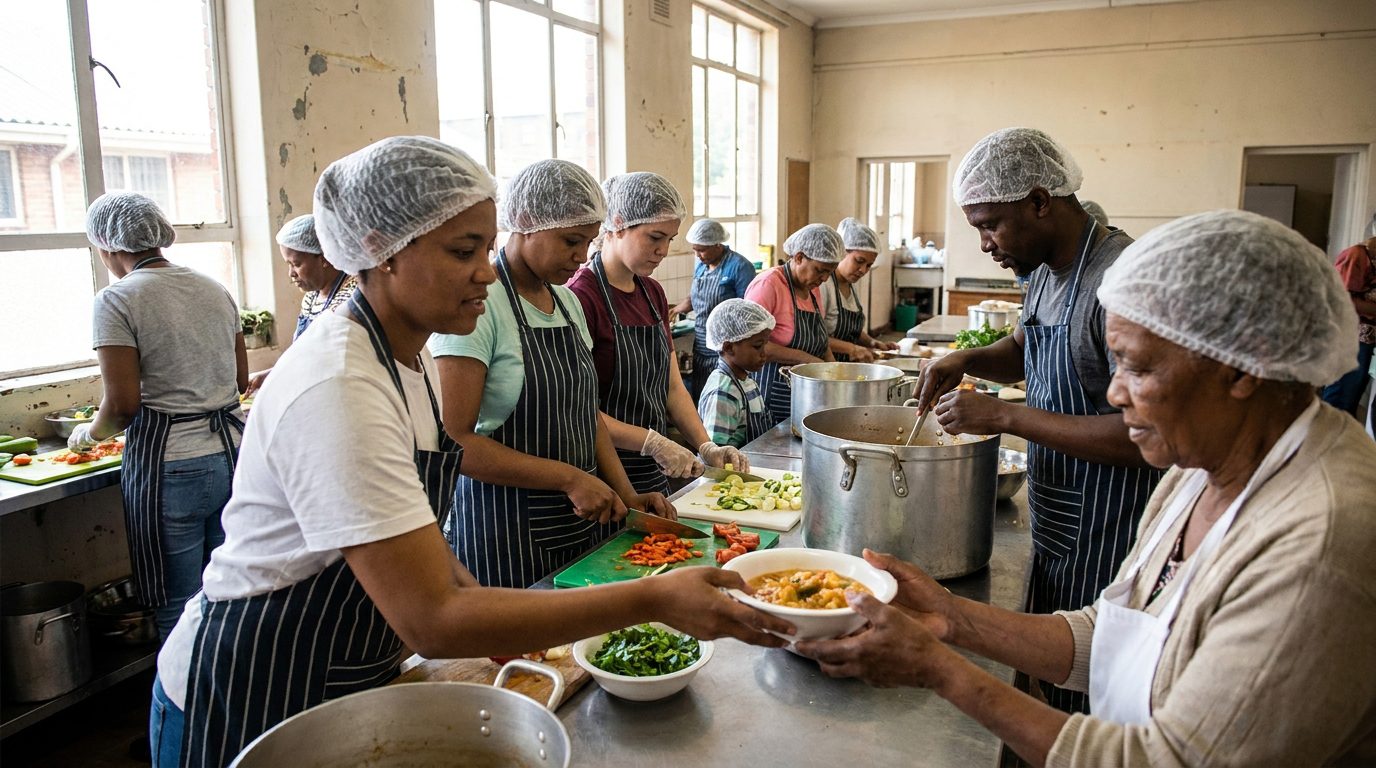
In the beautiful tradition of Bhakti Yoga — the path of loving devotion to God — we gather together not just as individuals but as a spiritual family. And like any family, our communities thrive when everyone understands how we care for one another, how we serve, and what we can lovingly expect from each other along the way.
Seva, which simply means “selfless service,” is one of the most powerful practices in the Bhakti tradition. When we serve with love and without expectation of personal reward, we open our hearts to a deeper connection with God and with each other. But here’s something important that we don’t always talk about: even selfless service needs structure. Even love-filled communities need clear, compassionate guidelines.
Without thoughtful expectations, even the most well-meaning spiritual communities can experience confusion, burnout, misunderstandings, and hurt feelings. People may over-commit and then quietly disappear. Others may feel unsure about where they fit or how to contribute. And some may carry far more than their share of the work while feeling unseen.
Setting clear expectations isn’t about creating rigid rules or a corporate atmosphere. It’s about honoring the sacred nature of our service and the precious people who offer it. As the Bhagavad Gita reminds us, even Arjuna — a great warrior and devoted soul — needed clear guidance from Krishna before he could act with full confidence and love. In Chapter 3, Verse 8, Lord Krishna says:
“Perform your prescribed duties, for action is better than inaction.”
Clear expectations help us perform our duties — our seva — with joy rather than anxiety, with purpose rather than confusion, and with sustainability rather than burnout.
At The Bhakti House, we believe that creating loving structure around our service and community life is itself an act of devotion. It says: “We care about you. We care about this offering. And we care about creating a space where everyone can grow.”
Understanding Seva as a Sacred Practice
What Seva Really Means
The Sanskrit word seva comes from the root sev, which means “to serve, to attend to, or to worship.” In the Bhakti tradition, seva is not simply volunteer work or charity — though it certainly includes those things. At its heart, seva is an expression of love for God that flows through our hands, our time, our energy, and our attention toward others.
When we cook a meal for the community, we’re not just preparing food. We’re offering love on a plate. When we clean the temple space, we’re not just tidying up. We’re creating a sacred atmosphere where hearts can open. When we greet newcomers at the door with a warm smile, we’re not just being polite. We’re extending God’s welcome through our own presence.
The Bhagavata Purana, one of the most beloved scriptures in the Bhakti tradition, describes nine primary forms of devotion. Among them is pada-sevanam — service at the feet of the Lord. This doesn’t only mean literal worship at a temple altar. It means offering our actions, however simple, as gifts of love to the Divine.
Why Seva Needs Loving Boundaries
Here’s where we gently challenge a common misconception: some devotees feel that because seva is selfless, it should have no boundaries. They may think that saying “no” to a service opportunity is somehow unspiritual, or that asking for clarity about roles and responsibilities reflects a lack of faith.
But actually, the opposite is true. When we set healthy boundaries around our service, we protect the sincerity and longevity of our offering. A candle that burns at both ends doesn’t last long enough to light the way for others.
Krishna Himself models this beautifully. In His various pastimes described in the Bhagavata Purana, He assigns specific roles to His devotees based on their nature, capacity, and inclination. He doesn’t ask everyone to do everything. He invites each soul to serve in the way that brings them closest to Him.
In the same spirit, our communities can lovingly clarify what each seva role involves, how much time it requires, who to turn to for support, and when it’s perfectly okay to step back and rest. This isn’t bureaucracy. This is compassion.
Building a Culture of Loving Accountability
Defining Roles and Responsibilities with Care
One of the most practical steps a Bhakti community can take is to clearly define seva roles. This means writing down — yes, actually writing down — what each service position involves. Whether it’s cooking prasadam (sacred food offered to God), leading kirtan (devotional chanting), managing communications, greeting guests, maintaining the temple space, or organizing events, every role benefits from a simple, honest description.
A helpful seva description might include:
- What the role involves — the specific tasks and activities
- Time commitment — how many hours per week or per event
- Duration — whether it’s an ongoing role or tied to a specific season or project
- Who to report to — a team lead or coordinator who can offer guidance
- Training or support available — mentorship, resources, or orientation sessions
- How to gracefully step back — the process for transitioning out when needed
This level of clarity isn’t about controlling people. It’s about freeing them. When someone knows exactly what’s expected, they can say “yes” with their whole heart — or lovingly decline and find a role that fits them better.
Honoring Different Capacities and Life Seasons
Not everyone in our community is in the same season of life. A college student, a working parent, a retired elder, and a new devotee all have different amounts of time, energy, and experience to offer. A healthy Bhakti community recognizes and celebrates this diversity rather than expecting the same level of involvement from everyone.
Some people may be able to dedicate many hours each week to seva. Others may only have one afternoon a month. Both offerings are equally beautiful in the eyes of God. As Krishna tells Arjuna in the Bhagavad Gita, Chapter 9, Verse 26:
“If one offers Me with love and devotion a leaf, a flower, a fruit, or water, I will accept it.”
The size of the offering matters far less than the love behind it. When we build community expectations around this truth, we create an environment where no one feels inadequate and everyone feels valued.
Communication as an Act of Devotion
Clear, honest, and kind communication is one of the most underrated forms of seva. Many community challenges don’t arise from bad intentions — they arise from unclear communication. Someone assumed the event started at a different time. A volunteer didn’t know they were responsible for cleanup. A team leader felt overwhelmed but didn’t know how to ask for help.
Establishing regular check-ins, using shared calendars or simple digital tools, creating space for feedback, and encouraging people to voice their needs — all of these practices strengthen the fabric of community. They show that we take each other seriously and that we value the time and energy everyone contributes.
Communication also means being willing to have gentle, honest conversations when things aren’t working. If someone has stepped away from their seva without explanation, a caring check-in — “Hey, we’ve missed you. Is everything okay? Is there anything we can support you with?” — is far more effective and loving than silence or resentment.
Sure, here is the sentence with the clickable link:
Check out our website for more bhakti articles.
Preventing Burnout and Nurturing Long-Term Devotion
Recognizing the Signs of Burnout
Burnout is real, even in spiritual communities. In fact, it can be especially painful in spiritual settings because people often feel guilty for experiencing it. They may think, “If I were more devoted, I wouldn’t feel tired. If I loved God more, I wouldn’t want to stop.”
But exhaustion isn’t a sign of weak faith. It’s a sign that something in the balance of giving and receiving needs attention. Common signs of seva burnout include feeling drained rather than energized after service, dreading commitments that once brought joy, withdrawing from community, experiencing resentment, or neglecting personal spiritual practices like chanting and prayer.
Creating Sustainable Rhythms of Service
The key to long-term, joyful seva is sustainability. This means building rest into the rhythm of community life — not as an afterthought, but as a priority. Some practical ways to do this include:
- Rotating seva roles so that no one person carries the same burden indefinitely
- Scheduling regular breaks and encouraging people to take them without guilt
- Celebrating and appreciating those who serve, through sincere words, community recognition, or simple gestures of gratitude
- Providing spiritual nourishment alongside service — making sure seva is always connected to kirtan, prayer, scripture, and personal devotional practice
- Training new volunteers so that the community isn’t overly dependent on a small core group
When we care for our servers, we care for the heart of our community. Seva should fill us up, not empty us out. And when it does begin to feel heavy, that’s not a failure — it’s an invitation to readjust, receive support, and reconnect with the love that drew us to serve in the first place.
Welcoming New Members with Warmth and Clarity
First Impressions and the Newcomer Experience
For someone walking into a Bhakti community for the first time, the experience can be both beautiful and overwhelming. The chanting, the incense, the Sanskrit words, the rituals — it’s a lot to take in. One of the most important community expectations we can establish is around how we welcome newcomers.
Every person who walks through our doors is a guest of God. They deserve to be greeted warmly, oriented gently, and given space to observe and participate at their own pace. This means having designated greeters, providing simple printed or digital guides that explain what’s happening, using accessible language alongside Sanskrit terms, and following up with newcomers after their first visit.
It also means being honest about what our community is and isn’t. If we have particular traditions, practices, or commitments, it’s kind and respectful to share those openly rather than leaving people to figure things out on their own. Transparency builds trust, and trust builds lasting relationships.
Creating Pathways for Deepening Involvement
Not everyone who visits will want to serve right away — and that’s perfectly fine. But for those who feel drawn to deeper involvement, having a clear pathway is incredibly helpful. This might look like:
- Attending a newcomer orientation where community values, expectations, and opportunities are shared
- Trying out different seva roles through a “service sampler” approach before committing
- Being paired with a mentor or buddy who can answer questions and offer encouragement
- Gradually deepening involvement as trust, understanding, and devotion grow
This approach respects each person’s journey while also giving the community the structure it needs to function well.
Grounding Everything in Love and Devotion
At the end of the day, every expectation, every guideline, every structure we put in place should be rooted in one thing: love. Love for God. Love for each other. Love for the sacred tradition that has been passed down to us through generations of devoted hearts.
The great Bhakti saint Chaitanya Mahaprabhu taught that humility, tolerance, offering respect to others, and expecting none for oneself are the foundations of a beautiful devotional life. When we approach community expectations with this spirit, they stop feeling like rules and start feeling like expressions of care.
We’re not building a spiritual corporation. We’re nurturing a garden where every soul can bloom in their own time, in their own way, offering their own unique fragrance to the Divine.
If you’ve been part of a community and felt confused about expectations, burned out from over-serving, or unsure about how to contribute — know that you’re not alone, and those feelings are completely valid. The solution isn’t less community. It’s better community. Community built on love, clarity, honesty, and mutual respect.
And if you’re just beginning your journey on the path of Bhakti — whether you’ve been chanting for decades or you just heard the word “kirtan” for the first time today — you are welcome here. Exactly as you are. With whatever you have to offer.
All it takes is one sincere step toward God. One prayer. One moment of honest surrender. One act of service offered with love. Krishna meets us wherever we are, and He never asks us to be anyone other than who we truly are — His beloved.
Come as you are. Serve with love. Grow together. You belong here.

