
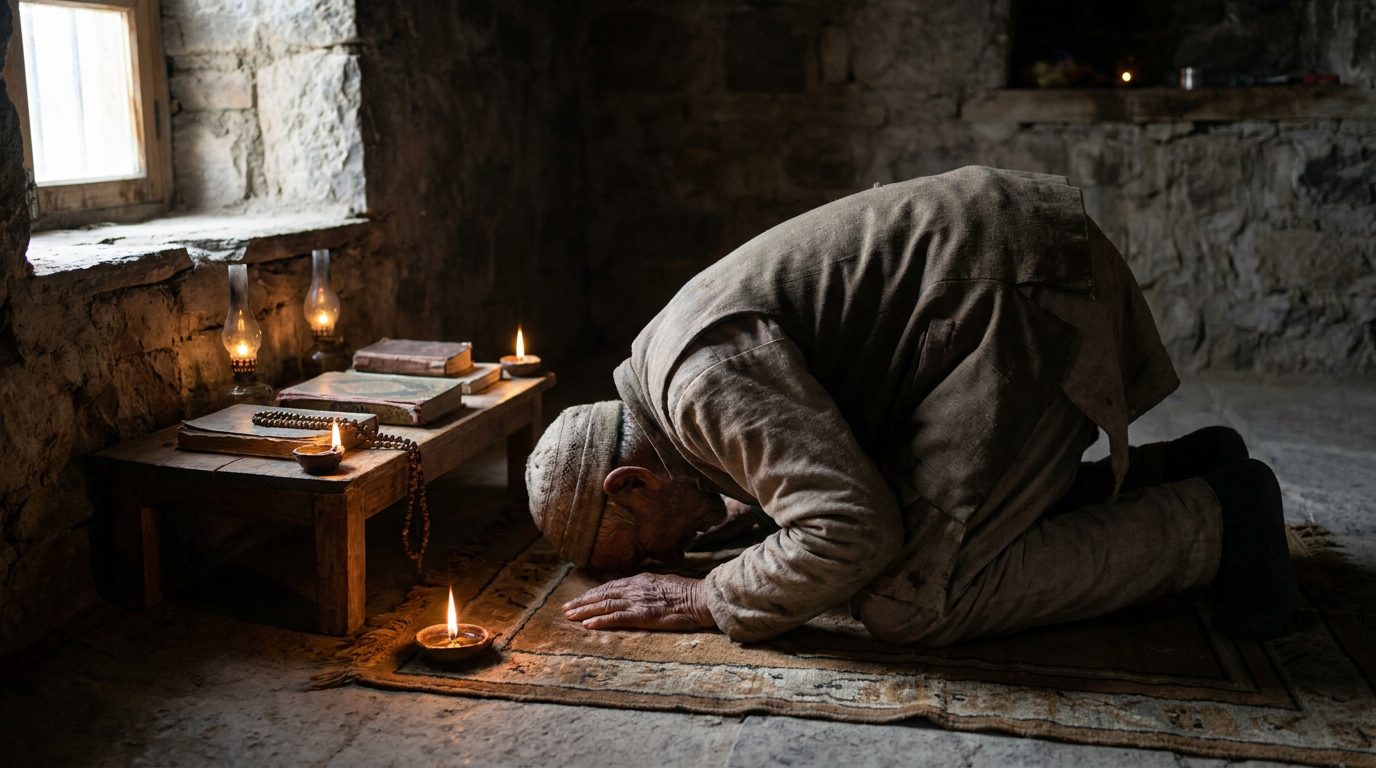
As the day comes to a close, the heart often begins to speak more honestly.
The responsibilities, conversations, decisions, joys, and burdens of the day settle around us. The mind may still be busy, but somewhere within, the soul is longing for rest—not only physical rest, but spiritual rest. Evening is a sacred doorway. It invites us to pause, soften, remember God, and return to love.
In the Bhakti tradition, evening devotional practices are not meant to be complicated or reserved only for advanced spiritual seekers. Bhakti Yoga is the path of loving devotion. The word bhakti means devotion, loving service, or heartfelt connection with the Divine. It is a practical path that welcomes everyone—regardless of background, culture, religious upbringing, or level of experience.
Through chanting, prayer, reflection, scripture, service, and gratitude, the evening can become a gentle sanctuary. Even a few sincere minutes can bring peace to the mind, healing to the heart, and a deeper awareness of God’s presence.
Evening is a natural time for release. The sun sets, the world becomes quieter, and the body begins preparing for sleep. In the same way, the soul benefits from a spiritual winding down.
Many of us carry the day into the night. We replay conversations. We worry about tomorrow. We scroll through our phones, hoping to relax, but often become more restless. Evening devotional practices offer another way: a sacred rhythm that helps us place the day in God’s hands.
Returning the Day to God
In Bhakti Yoga, we learn that our life is not separate from the Divine. Every moment can become an offering. The Sanskrit word seva means loving service. This means our work, relationships, meals, challenges, and even our rest can be offered with devotion.
At night, we can gently say:
“Dear Lord, whatever I did today—my efforts, my mistakes, my words, my intentions—I offer them to You. Please guide me, forgive me, and help me grow in love.”
This simple prayer transforms the day. Instead of holding everything alone, we remember that God is present, compassionate, and near.
Creating Inner Peace Before Sleep
Peace does not come only from perfect circumstances. In Bhakti, peace comes from connection with God. The Bhagavad Gita, one of the beloved scriptures of the Bhakti tradition, teaches that a peaceful heart grows when we act with devotion, self-control, and remembrance of the Divine.
Krishna says in the Bhagavad Gita that one who is connected in devotion can find deep peace, even in the midst of life’s difficulties. This does not mean problems disappear immediately. It means we begin to face them with faith, humility, and spiritual strength.
Evening practice helps the heart remember: “I am not alone. I am loved. I am being guided.”
Preparing a Sacred Evening Space
A peaceful evening devotional practice begins with intention. You do not need a large altar, special room, or perfect environment. Bhakti is about the sincerity of the heart.
Still, creating a simple sacred space can support the mind and senses. It gently tells the body, “Now we are turning inward. Now we are remembering God.”
Choosing a Quiet Corner
Find a place where you can sit comfortably. It may be a corner of your bedroom, a chair by a window, a small table, or even a clean space on the floor. If you live with others, your sacred space may be very simple and temporary.
You might include:
- A candle or small lamp
- A picture or symbol of God that inspires devotion
- Fresh flowers or a plant
- A scripture or devotional book
- Prayer beads, called japa mala
- A journal
- A blanket or cushion
The goal is not decoration. The goal is remembrance.
Lighting a Candle or Lamp
In many spiritual traditions, light represents divine presence, wisdom, and hope. In Bhakti homes and temples, lamps are often offered to the Lord as an expression of love. This offering is called arati, a devotional ceremony where light, incense, water, flowers, and song are offered to God.
At home, you can simply light a candle and pray:
“May this light remind me of Your presence in my heart. Please remove darkness, confusion, and fear. Please guide me toward love.”
This small act can become deeply meaningful when done with sincerity.
Reducing Distractions with Compassion
It is helpful to put your phone away or set it to silent during your evening practice. But if your mind feels scattered, do not judge yourself. The mind has been busy all day. It may take time to settle.
Bhakti Yoga does not ask us to become peaceful before approaching God. It invites us to approach God as we are. Restless, tired, grateful, confused, hopeful—all are welcome.
Chanting: The Heart of Evening Devotion
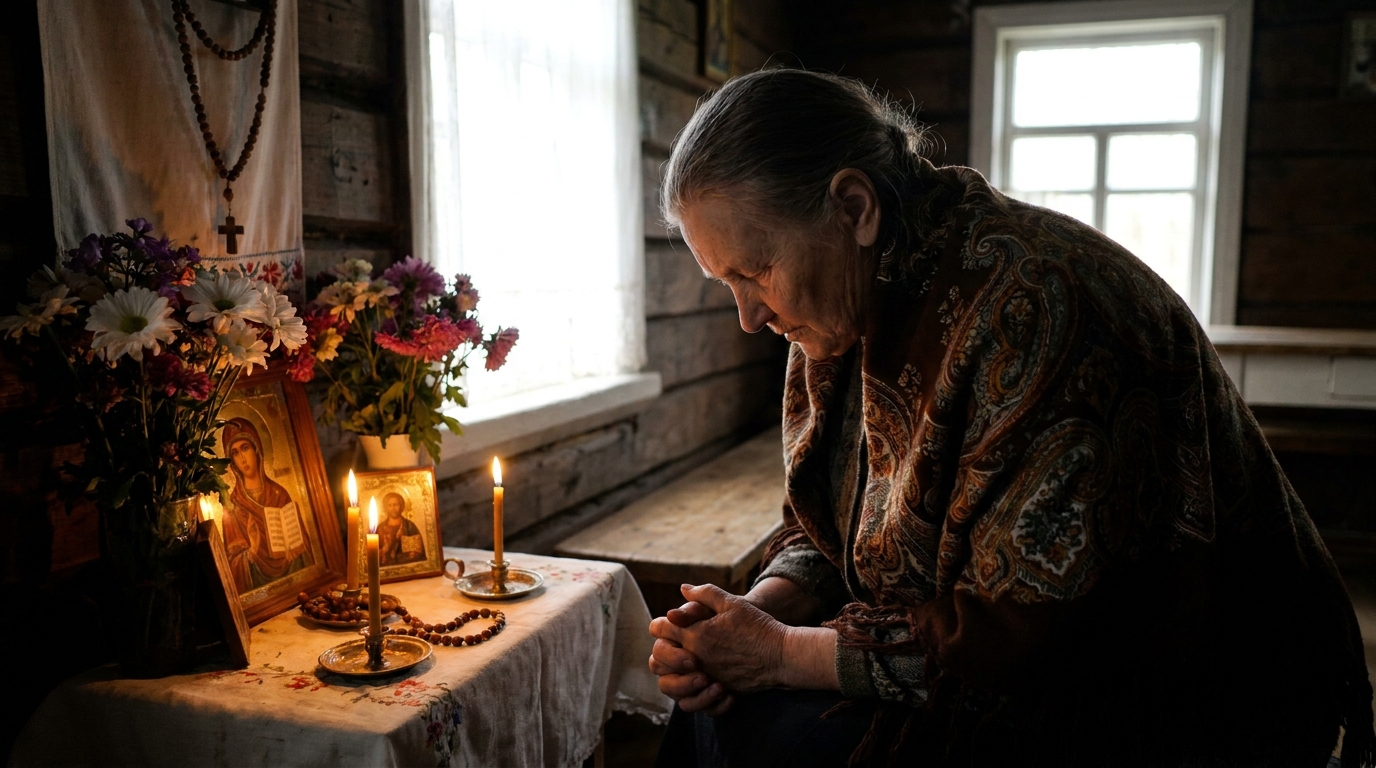
Chanting is one of the most accessible and powerful practices in Bhakti Yoga. The Sanskrit word kirtan means devotional singing, often done together with call and response. The word japa refers to quietly repeating a sacred mantra, often on beads.
A mantra is a sacred sound or prayer that helps focus the mind and awaken the heart. In Bhakti, mantras are not only sounds; they are personal calls to the Divine.
The Power of the Holy Name
One of the central practices in many Bhakti traditions is chanting the names of God. Names such as Krishna, Rama, Hari, Govinda, Radha, Narayana, and many others are understood as spiritually powerful because they connect us directly with the Divine.
The Srimad Bhagavatam, a treasured Bhakti scripture, glorifies hearing and chanting about God as a way to purify the heart. This purification is not harsh or forced. It is like gentle rain washing dust from a mirror.
When we chant, we are not trying to perform. We are calling out with love.
A simple mantra you may chant is:
Hare Krishna Hare Krishna
Krishna Krishna Hare Hare
Hare Rama Hare Rama
Rama Rama Hare Hare
This is known as the Maha Mantra, meaning “the great mantra.” In simple terms, it is a prayer asking the Divine energy and the Lord to engage us in loving service.
You do not need to understand everything intellectually. You can begin by chanting softly and listening with your heart.
Evening Japa Practice
If you have prayer beads, you can chant one mantra on each bead. If you do not have beads, you can chant for five or ten minutes using a timer.
Try this simple evening japa practice:
- Sit comfortably and take a few deep breaths.
- Offer a short prayer for guidance.
- Chant the mantra slowly and clearly.
- Listen to each sound.
- When the mind wanders, gently return to the mantra.
- End by offering gratitude.
The mind may wander many times. That is normal. Each return to the mantra is a beautiful act of devotion.
Soft Kirtan at Home
Evening kirtan can be very simple. You may sing along with a recording, chant softly with harmonium or guitar, or sing without instruments. If you have children, family members, or friends, you can invite them to join.
Kirtan is not about musical talent. It is about the heart turning toward God.
A few minutes of chanting can change the atmosphere of a home. The energy becomes softer. The mind becomes clearer. The heart becomes more open.
Check out our latest articles at https://thebhaktihouse.org/blog.
Prayer as an Honest Conversation with God
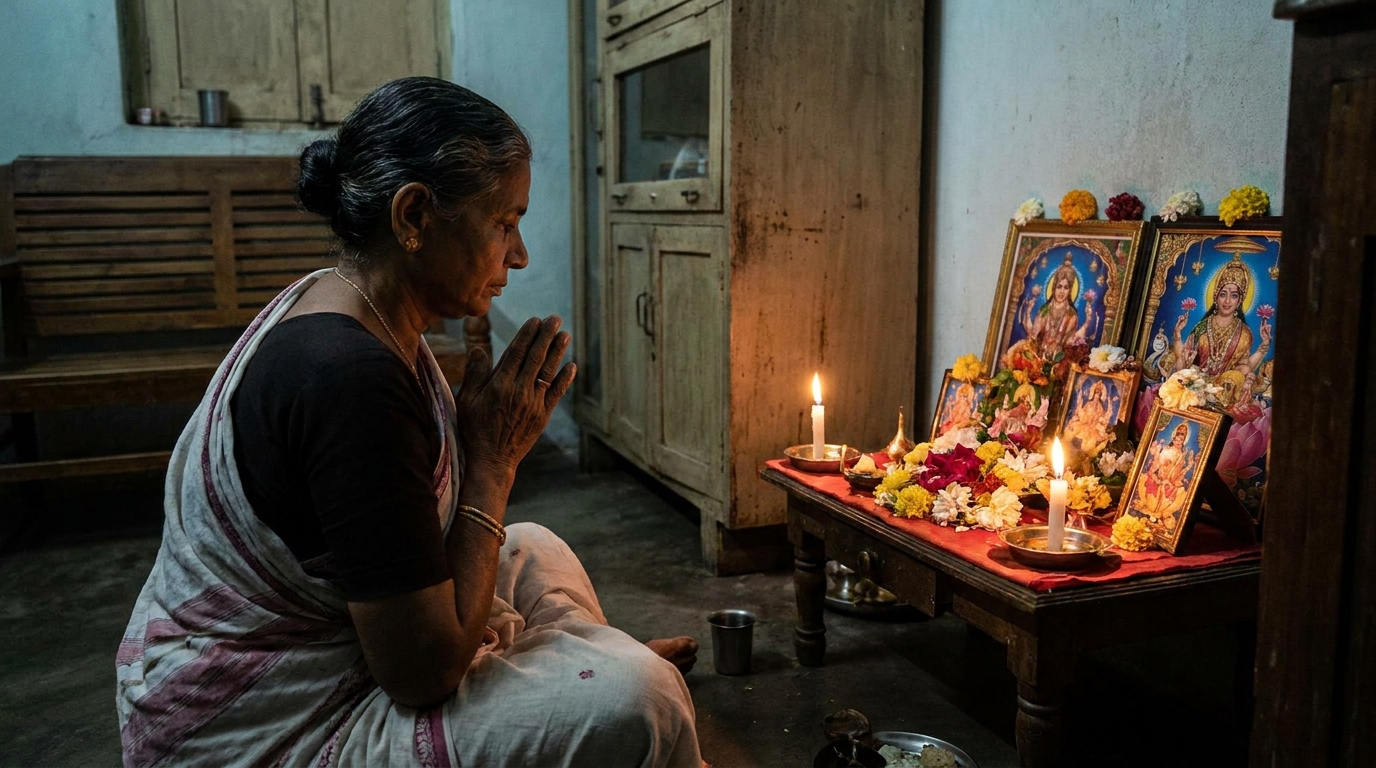
Prayer is one of the most natural forms of devotion. It does not need to be formal or poetic. Prayer is the soul speaking to God.
In Bhakti Yoga, God is not seen as distant or impersonal. The Divine is loving, responsive, and deeply personal. We may approach God as our Lord, friend, beloved, parent, guide, or shelter.
Speaking from the Heart
Evening prayer may include gratitude, confession, longing, surrender, or simple silence. You can speak aloud, whisper, write, or pray internally.
You might pray:
“Dear Lord, thank You for carrying me through this day. Please forgive the ways I acted from fear, pride, or impatience. Please help me become kinder, more truthful, and more loving. Please bless my family, my community, and all beings. Let me remember You.”
This kind of prayer brings humility. Humility does not mean thinking badly of ourselves. It means recognizing that we need grace. It means opening the heart to divine help.
Offering Your Worries
Many people feel anxiety at night. The mind begins to list problems, responsibilities, and fears. Bhakti offers a practice of surrender. The Sanskrit word saranagati means taking shelter or surrendering to God with trust.
Surrender does not mean giving up responsibility. It means doing our part while remembering that God is the ultimate shelter.
Before sleep, place your hands over your heart and say:
“I have done what I could today. What remains, I place in Your hands.”
This simple prayer can help release the nervous system and deepen faith.
Praying for Others
Evening is a beautiful time to pray for others. You may think of loved ones, those who are sick, those who are grieving, those facing injustice, and even those with whom you have conflict.
Bhakti softens the heart. It teaches us to see every living being as a soul, a child of God. The Sanskrit phrase jiva refers to the living soul. Each jiva is sacred and worthy of compassion.
When we pray for others, our own heart becomes more spacious.
Sacred Study and Reflection
Evening devotional practices can include reading a few verses from sacred texts. Scripture helps guide the mind toward truth and reminds us of our deeper purpose.
You do not need to read a large amount. Sometimes one verse, read slowly and prayerfully, can nourish the heart more than many pages read quickly.
Reading the Bhagavad Gita
The Bhagavad Gita is a conversation between Sri Krishna and Arjuna, a warrior facing confusion and moral struggle. Though spoken in an ancient setting, its teachings are deeply practical for daily life.
In the Gita, Krishna teaches that we can offer our actions to God, remember Him with love, and grow spiritually while living in the world.
One well-loved teaching is Krishna’s invitation to offer simple things with devotion: a leaf, a flower, fruit, or water. The meaning is profound. God is not asking for wealth or perfection. God is asking for love.
In the evening, you may read one verse and ask:
- What is God teaching me through this?
- How did I live this teaching today?
- How can I practice it tomorrow?
This turns scripture into lived wisdom.
Learning from the Srimad Bhagavatam
The Srimad Bhagavatam is a beautiful devotional scripture filled with stories, prayers, and teachings about loving God. It emphasizes hearing about the Lord, chanting His names, serving with devotion, and cultivating saintly qualities.
The Bhagavatam teaches that the heart becomes purified through sincere hearing and chanting. This gives great hope. We may feel imperfect, distracted, or unqualified, but Bhakti is a path of grace. If we keep returning sincerely, spiritual growth unfolds.
Keeping a Devotional Journal
After reading or chanting, you may write a few lines in a journal. This helps bring awareness and gratitude into your evening.
You can reflect on questions like:
- Where did I feel God’s presence today?
- What am I grateful for?
- Where did I struggle?
- What do I want to offer or release?
- How can I serve with more love tomorrow?
Journaling is not about self-criticism. It is about honest reflection in the light of compassion.
Gratitude: Ending the Day with a Soft Heart
Gratitude is a powerful evening practice. It shifts our attention from what is missing to what has been given. In Bhakti, gratitude is not merely positive thinking. It is a spiritual recognition that life is sustained by grace.
Every breath, meal, friendship, lesson, and opportunity can be seen as a gift.
Naming Three Blessings
Before sleep, name three things you are grateful for. They may be small:
- A warm cup of tea
- A kind message
- A moment of silence
- The strength to keep going
- A chance to apologize
- A beautiful sunset
- The holy name
Over time, this practice trains the heart to notice grace.
Gratitude During Difficulty
It can be hard to feel grateful during pain. Bhakti does not ask us to deny suffering. Rather, it invites us to look for God’s presence even within struggle.
Sometimes gratitude sounds like:
“Thank You for helping me survive today.”
Or:
“Thank You for teaching me patience, even though this is hard.”
Or:
“Thank You for being with me when I feel alone.”
This kind of gratitude is tender and real.
Offering Food and Evening Tea
If you have an evening snack, fruit, tea, or water, you can offer it to God before taking it. In Bhakti, this practice is called offering prasadam. The word prasadam means mercy or grace. Food that is lovingly offered to God becomes spiritually meaningful.
You may simply pause and pray:
“Dear Lord, thank You for this food. Please accept it with love. May it nourish my body and help me serve You and others.”
Then receive it with gratitude.
Gentle Service Before Rest
Bhakti Yoga is not only meditation or chanting. It is also loving action. Service, or seva, helps devotion become embodied. Evening service does not need to be large. Small acts done with love are precious.
Serving Your Home
You may wash a few dishes, tidy your sacred space, prepare something for the morning, or create a peaceful environment for your family. When done with devotion, these actions become offerings.
Instead of thinking, “I have to do this,” we can gently shift to, “Let this be an offering of love.”
This does not mean overworking or ignoring your need for rest. Service in Bhakti should be guided by love and wisdom, not guilt.
Serving Loved Ones
Evening may be a time to listen to someone, speak kindly, help a child settle, send a caring message, or forgive a small offense. Family life, friendship, and community are all places where devotion can grow.
Sometimes the most sacred evening practice is to put down the phone and truly listen.
Serving Through Compassionate Intention
If you are physically tired, you can still serve through prayerful intention. You might dedicate your chanting to someone in need. You might pray for peace in the world. You might ask God to use your life for healing.
Bhakti teaches that love is never wasted. Even a quiet prayer offered sincerely has spiritual value.
Releasing the Day Through Forgiveness
Evenings are a powerful time to practice forgiveness. During the day, we may collect small hurts, frustrations, or regrets. If we carry them into sleep, the heart remains heavy.
Forgiveness does not mean pretending harm did not happen. It does not mean allowing abuse or avoiding healthy boundaries. Forgiveness means asking God to help free the heart from hatred and bitterness.
Asking for Forgiveness
We all make mistakes. We speak too sharply. We act from impatience. We forget our values. Evening prayer gives us a chance to acknowledge these moments without despair.
You can pray:
“Dear Lord, please forgive me for the ways I caused harm today, knowingly or unknowingly. Please help me make things right where I can. Please teach me to act with more love.”
This brings humility and growth.
Offering Forgiveness to Others
If someone hurt you, you may not feel ready to forgive fully. That is okay. Begin honestly.
“Dear Lord, I am hurt. I do not know how to let this go. Please protect me, guide me, and help my heart heal.”
Forgiveness often unfolds slowly. God meets us in the process.
Forgiving Yourself
Many people are hardest on themselves at night. Bhakti reminds us that we are not our mistakes. We are souls on a journey, learning to love.
Self-forgiveness does not mean avoiding responsibility. It means accepting God’s mercy and continuing forward.
Before sleep, you might say:
“I am learning. I am held by grace. Tomorrow I can try again.”
Creating a Simple Evening Devotional Routine
A devotional routine does not have to be long. It should be sustainable and sincere. The best practice is one you can actually return to.
Start small. Let devotion grow naturally.
A 10-Minute Evening Practice
If you are new to evening devotional practices, try this:
- 1 minute: Light a candle and breathe
- 2 minutes: Offer gratitude
- 3 minutes: Chant a mantra
- 2 minutes: Read one verse or devotional passage
- 2 minutes: Pray and surrender the day
This simple rhythm can bring peace and consistency.
A 30-Minute Evening Practice
If you have more time, you may try:
- 5 minutes: Prepare your space and offer a candle
- 10 minutes: Chant japa or sing kirtan
- 5 minutes: Read from the Bhagavad Gita or another sacred text
- 5 minutes: Journal and reflect
- 5 minutes: Pray for yourself, loved ones, and all beings
Let the practice feel like nourishment, not pressure.
Practicing with Family or Community
Evening devotion can be shared. Families may chant one mantra together, read a short story from scripture, or each share one gratitude. Friends may gather weekly for kirtan, prayer, or discussion.
Community is important in Bhakti. The Sanskrit word sanga means association or spiritual company. Loving spiritual community helps us stay encouraged and inspired.
If you do not have a local community, you can still connect through online gatherings, recorded kirtans, scripture classes, or devotional reading groups.
Overcoming Common Obstacles
Every sincere practitioner faces obstacles. The evening may be busy. The mind may resist. Fatigue may be strong. Bhakti is gentle and patient. The point is not perfection. The point is loving return.
“I Am Too Tired”
If you are exhausted, keep your practice very simple. Sit on your bed and chant one mantra. Offer one prayer. Say thank you. Let that be enough.
Devotion is not measured by length. A single sincere moment can be spiritually powerful.
“My Mind Is Too Distracted”
A distracted mind is not a failure. It is the normal condition of the mind. Chanting and prayer help bring it back, again and again.
When you notice distraction, do not become discouraged. Gently return to the holy name, the prayer, or the verse. Each return is part of the practice.
“I Do Not Feel Spiritual”
Feelings come and go. Some evenings feel inspired. Others feel dry. Bhakti is built through steady, sincere offering.
Just as we water a plant even before seeing flowers, we continue devotional practice with trust. In time, the heart softens.
“I Am Not Sure What I Believe”
You are still welcome. Bhakti Yoga invites honest seeking. You do not need to have everything figured out. You can begin with a simple intention:
“If You are there, please guide me. Please help me know You.”
Sincere openness is a beautiful beginning.
Bringing Bhakti Into Sleep
Sleep can also become part of spiritual life. In Bhakti, we remember that the body and mind need rest so we can serve with love. Rest is not separate from devotion when offered to God.
Sleeping with the Holy Name
Many practitioners like to fall asleep listening to soft kirtan, chanting quietly, or remembering a divine name. This can soothe the mind and create a sacred transition into rest.
You might softly repeat:
“Krishna”
“Rama”
“Hari”
“Lord, please let me remember You.”
Let the final thoughts of the day be gentle and devotional.
Trusting God Through the Night
Night reminds us that we are not in control of everything. We close our eyes and surrender. This can become a daily spiritual teaching.
Before sleeping, pray:
“Dear Lord, I rest in Your care. Please protect my heart, guide my dreams, and help me wake ready to love and serve.”
This prayer brings the soul into a mood of trust.
Waking with Continuity
A peaceful evening practice often blesses the morning. When we end the day with God, we are more likely to begin the next day with remembrance. Over time, evening devotion and morning devotion become a sacred rhythm.
Little by little, life becomes more centered, prayerful, and loving.
The Deeper Gift of Evening Devotion
The purpose of evening devotional practices is not only relaxation, though peace may come. The deeper purpose is relationship with God.
Bhakti Yoga teaches that the soul’s deepest nature is love. We are meant to love and be loved by the Divine. Chanting, prayer, service, gratitude, and scripture are ways of awakening that eternal relationship.
Peace Through Loving Connection
True peace is not numbness. It is not escape. It is the quiet strength that comes from remembering who we are and whose we are.
We are souls. We belong to God. We are held by grace. We are invited into love.
This remembrance changes how we sleep, how we wake, how we work, and how we treat others.
Progress Over Perfection
Please do not worry about making your evening practice perfect. Some nights you may chant with tears of gratitude. Other nights you may mumble one tired prayer before falling asleep. God sees the heart.
In the Bhagavad Gita, Krishna lovingly assures that even a little practice on this path can protect one from great fear. This is deeply encouraging. No sincere effort is lost.
Every mantra matters. Every prayer matters. Every small act of service matters.
A Path for Everyone
Bhakti Yoga is beautifully inclusive because love is universal. You may come from any tradition or none. You may feel deeply faithful or spiritually uncertain. You may know many Sanskrit words or none at all. You may be joyful, grieving, curious, or tired.
You are welcome.
The evening is waiting like a gentle friend. Light a candle. Chant one holy name. Offer your worries. Read one sacred verse. Say thank you. Serve someone with kindness. Rest in God’s care.
Tonight, and every night, you are invited to take one sincere step toward God. However small it may seem, that step is precious. The path of love opens one humble offering at a time, and everyone is welcome.
FAQs
What are evening devotional practices?
Evening devotional practices are religious or spiritual activities that individuals or communities engage in during the evening hours to reflect, pray, meditate, or connect with their faith.
What are some common evening devotional practices?
Common evening devotional practices include evening prayer, meditation, scripture reading, reflection on the day’s events, gratitude exercises, and other rituals specific to a particular religious or spiritual tradition.
Why are evening devotional practices important?
Evening devotional practices provide individuals with a dedicated time to connect with their faith, seek spiritual guidance, find peace and solace, and reflect on their actions and thoughts throughout the day.
How can one incorporate evening devotional practices into their routine?
One can incorporate evening devotional practices into their routine by setting aside a specific time each evening, creating a quiet and peaceful space for reflection, and engaging in activities such as prayer, meditation, or reading sacred texts.
Are evening devotional practices specific to a particular religion?
Evening devotional practices can be specific to a particular religion, but they can also be adapted to suit individual spiritual beliefs and practices. Many religious traditions have specific rituals and prayers for the evening, but individuals can also create their own evening devotional practices based on their personal beliefs.

