
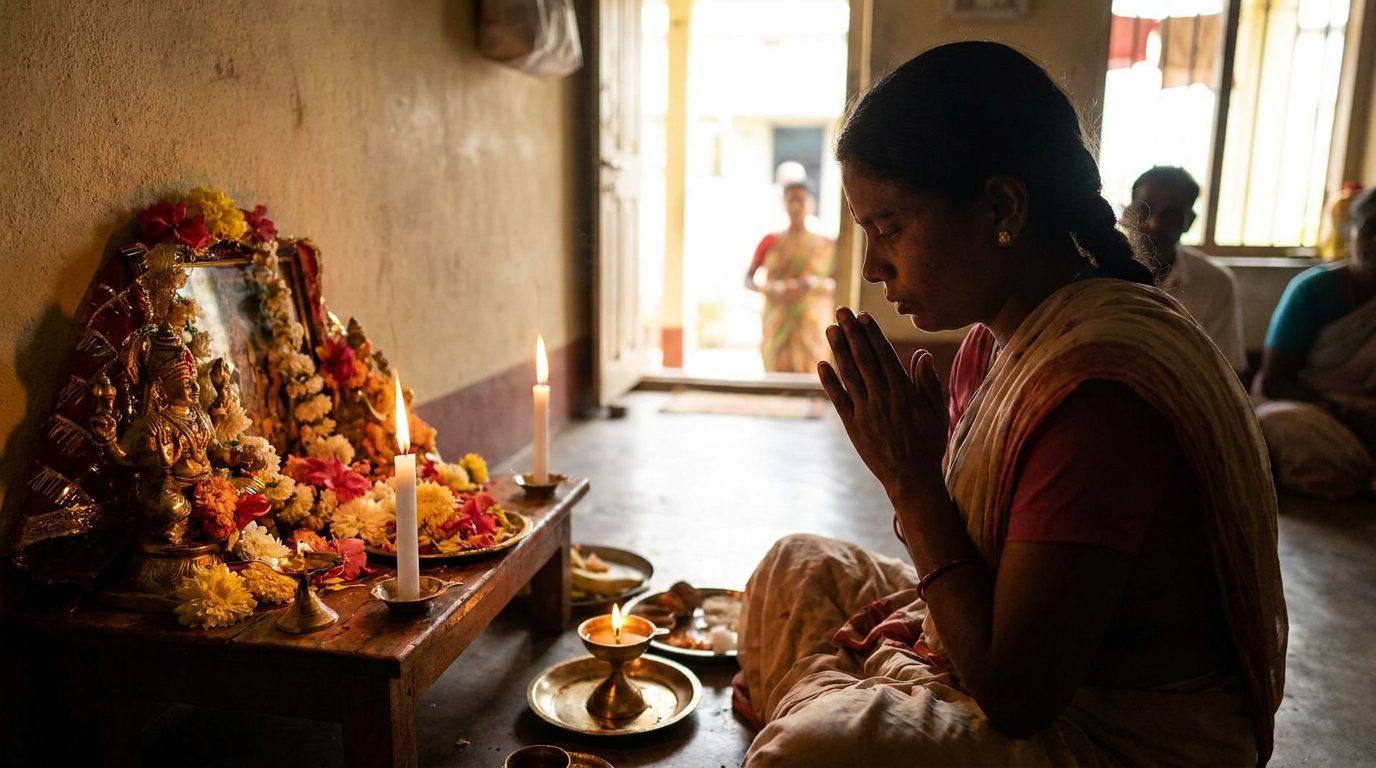
The early morning has a quiet kindness. Before the phone begins to call for our attention, before duties and messages gather around us, there is a gentle space where the heart can remember what is most important.
In Bhakti Yoga, the path of loving devotion, morning is considered a precious time for spiritual practice. It is not because God is only available in the morning. The Divine is always present. But in the morning, our minds are often softer, our hearts more open, and the world around us a little more peaceful.
Morning Bhakti is a simple way to begin the day with love, prayer, chanting, and remembrance of God. It is not about perfection. It is not about becoming someone else. It is about returning to who we truly are: a soul, a spiritual being, naturally connected to the Supreme through love.
Whether you are new to Bhakti Yoga, returning after some time away, or simply curious about devotional spiritual practices, you are welcome here. You do not need to know Sanskrit, belong to a certain culture, or have everything figured out. Bhakti begins with sincerity.
A few minutes offered with love can change the mood of the whole day.
What Is Morning Bhakti?
Morning Bhakti means beginning your day with devotional practices that awaken love for God. The word “Bhakti” comes from Sanskrit and means devotion, loving service, or heartfelt connection with the Divine. Yoga means connection. So Bhakti Yoga is the practice of reconnecting with God through love.
In the Bhakti tradition, God is personal, loving, and close to the heart. Different traditions may call the Divine by different names—Krishna, Rama, Govinda, Hari, Narayana, the Lord, the Beloved, or simply God. Bhakti honors the truth that sincere devotion can be expressed in many languages and from many backgrounds.
Morning Bhakti can include chanting sacred names, reading scripture, offering prayers, meditating, singing, serving, or simply sitting quietly and remembering God. It can be long or short. It can be traditional or simple. The essence is devotion.
Bhakti Is a Relationship
Bhakti is not only a set of practices. It is a relationship. When we chant, we are calling out. When we pray, we are speaking from the heart. When we serve, we are offering our time and energy with love.
The Bhagavad-gita, one of the most beloved scriptures of Bhakti Yoga, teaches that God receives even the simplest offering when it is given with devotion. In Bhagavad-gita 9.26, Krishna says that if one offers a leaf, a flower, fruit, or water with love, He accepts it.
This is deeply encouraging. Spiritual life is not reserved only for the wealthy, the scholarly, or the advanced. A simple heart is enough. A cup of water offered with love can become worship.
The Morning Mood
Morning Bhakti is especially powerful because it helps us choose our direction before the day chooses it for us. If we begin the day with worry, comparison, and rushing, that mood often follows us. If we begin with chanting, gratitude, and prayer, we carry a different energy into our work, relationships, and responsibilities.
A morning devotional practice does not remove all difficulties, but it gives us shelter within them. It reminds us: “I am not alone. God is with me. My life can be an offering.”
Why Practice Bhakti in the Morning?
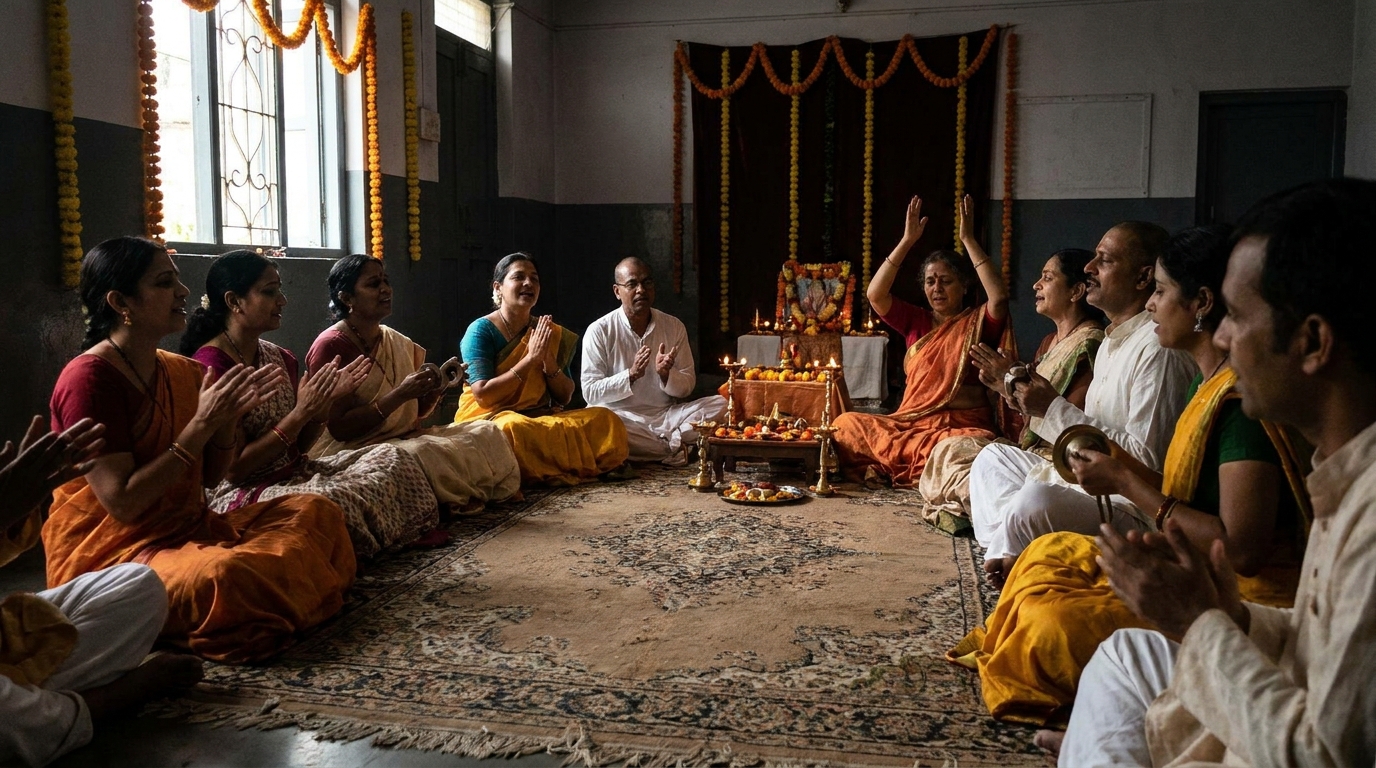
There are many practical and spiritual reasons to begin the day with Bhakti practices. The morning can become an anchor, a sacred rhythm that supports spiritual growth over time.
The Mind Is More Peaceful
In the early morning, especially before we become busy, the mind is often less crowded. We may still have thoughts, concerns, and emotions, but there is usually more space to observe them.
Bhakti Yoga does not ask us to violently silence the mind. Rather, it gives the mind a beautiful focus: the names of God, sacred wisdom, prayer, and service. When the mind rests on something divine, it gradually becomes purified and peaceful.
The Srimad-Bhagavatam, a central Bhakti scripture, describes hearing and chanting about God as a cleansing process for the heart. Just as water washes dust from a mirror, sacred sound gradually clears the heart of fear, envy, and forgetfulness.
It Sets the Intention for the Day
A morning Bhakti routine helps us remember our deeper purpose. Before we become a worker, student, parent, friend, caretaker, or leader, we remember that we are a soul.
This remembrance can gently transform our daily activities. Cooking becomes service. Work becomes an offering. Conversations become opportunities to practice kindness. Challenges become opportunities to depend on God.
A simple morning prayer such as, “Please guide me today. Let my thoughts, words, and actions be pleasing to You,” can change the way we move through the world.
Small Daily Practice Builds Spiritual Strength
Spiritual growth usually happens through steady, sincere practice. Just as a plant grows by receiving regular water and sunlight, the heart grows through regular nourishment.
Morning Bhakti does not have to be dramatic. Even ten minutes each day can be meaningful. Over time, those ten minutes become a doorway. The heart begins to crave that sacred connection. The day feels different when it begins with devotion.
Please visit our website for more information on our articles: articles.
Preparing a Simple Sacred Space
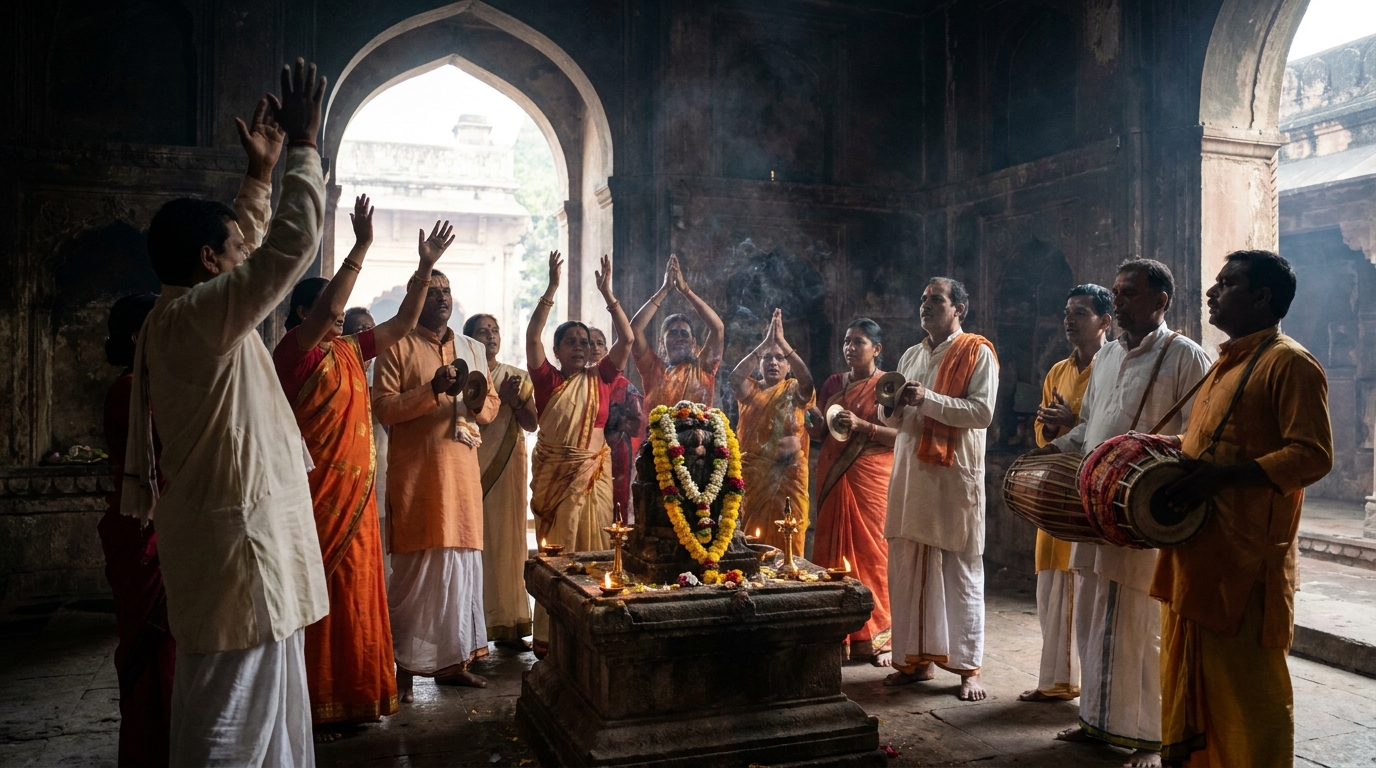
You do not need a large home, a temple room, or expensive items to begin Morning Bhakti. A small corner, a clean shelf, or even a simple cushion near a window can become a sacred place.
What matters most is the intention: “This is where I come to remember God.”
Choose a Clean and Peaceful Spot
Find a place where you can sit comfortably and be relatively undisturbed. It may be your bedroom, living room, study area, or a small corner of your kitchen.
Cleanliness helps the mind settle. You might wipe the area, place a cloth, light a candle, or keep a small picture of Krishna, Rama, Radha, Vishnu, Chaitanya Mahaprabhu, your spiritual teacher, or another sacred form that inspires devotion.
If you are from another faith background, you can still practice Bhakti in a way that feels respectful and sincere. The heart of Bhakti is loving remembrance of God.
Keep Your Practice Items Nearby
It helps to keep a few items in your sacred space so you do not have to search for them in the morning. You might include:
- A mala, or prayer beads, for chanting
- A scripture such as the Bhagavad-gita or Srimad-Bhagavatam
- A notebook for prayer or reflection
- A small candle or incense if appropriate
- A picture or symbol that inspires devotion
- A glass of water or simple offering
A mala is a string of beads used to count mantras, or sacred prayers. Many Bhakti practitioners use a mala of 108 beads to chant the maha-mantra, the great mantra for awakening love of God.
Make It Inviting, Not Intimidating
Your sacred space should feel like a place of welcome, not pressure. If you miss a day, return gently. If your mind wanders, return gently. If your practice is short, offer it sincerely.
Bhakti is not a performance. It is a loving relationship. God is not looking for our flawless technique. God sees the heart.
Core Morning Bhakti Practices for Beginners
There are many beautiful devotional practices in Bhakti Yoga. As a beginner, it is best to start simply and allow your practice to grow naturally. Choose one or two practices and become steady.
Chanting the Holy Names
Chanting is one of the most important practices in Bhakti Yoga. In Sanskrit, chanting sacred names is often called nama-japa when done softly or individually, and kirtan when sung together with music. Nama means name, and japa means repeated prayer or meditation.
The most well-known mantra in the Bhakti tradition is the maha-mantra:
Hare Krishna Hare Krishna
Krishna Krishna Hare Hare
Hare Rama Hare Rama
Rama Rama Hare Hare
“Maha” means great, and “mantra” means a sacred sound that frees the mind. The names Krishna and Rama refer to the all-attractive and all-pleasing Supreme Lord. Hare is a call to the divine energy of God, often understood as a prayer to be engaged in loving service.
A simple meaning of the maha-mantra is: “O Lord, O divine energy of the Lord, please engage me in Your loving service.”
You can chant softly while sitting, sing aloud, or repeat the mantra on beads. Begin with five minutes if that is manageable. Listen carefully to the sound. When the mind wanders, gently bring it back to the mantra.
Chanting is not about forcing emotion. It is about showing up with sincerity. The sacred name is like spiritual sunlight. If we place ourselves in that light regularly, the heart gradually warms.
Prayer from the Heart
Prayer is one of the most natural expressions of Bhakti. You do not need special words. You can speak honestly to God.
You might pray:
“Dear Lord, thank You for this day. Please guide me. Please help me remember You. Please help me be kind. Please help me serve.”
Or:
“Krishna, I do not know how to love You properly, but I want to begin. Please accept this small offering.”
Prayer can include gratitude, confession, longing, questions, and surrender. In Bhakti, surrender does not mean weakness. It means trust. It means placing our heart in divine care.
Reading Sacred Wisdom
Morning is a beautiful time to read even a small passage from scripture. The Bhagavad-gita is especially helpful for beginners because it speaks directly about life, duty, the mind, the soul, and loving devotion.
In Bhagavad-gita 18.66, Krishna invites us to surrender to Him and promises protection. This verse can feel very deep, and for beginners it can be understood practically: “Let me gradually learn to trust God more than my fears. Let me bring my life into loving alignment with the Divine.”
You might read one verse and a short explanation each morning. Do not worry if you do not understand everything immediately. Sacred wisdom is absorbed over time. Some verses become lifelong companions.
Offering Food or Water
In Bhakti Yoga, offering food to God is a simple and powerful practice. Food offered with devotion is called prasadam, which means mercy or grace. The idea is that we prepare or offer something with love, ask God to accept it, and then receive it as a blessing.
In the morning, you might offer a piece of fruit, a glass of water, tea, or your breakfast. Place it before a sacred picture or simply hold it in prayer and say:
“Dear Lord, please accept this offering made with love.”
This practice transforms eating from consumption into communion. It reminds us that everything comes from God and can be returned to God with gratitude.
Devotional Service
Service is at the heart of Bhakti. In Sanskrit, seva means service offered with love. Morning seva can be very simple: cleaning your sacred space, watering a plant for Krishna, preparing prasadam, helping a family member, or setting an intention to serve others throughout the day.
Bhakti teaches that love becomes real through action. When we serve, we train the heart to move beyond self-centeredness. Even small acts can be spiritual when offered to God.
A Simple Morning Bhakti Routine
If you are new to spiritual practice, it can be helpful to follow a simple structure. You can adjust this based on your schedule, energy, and responsibilities. The goal is steadiness, not stress.
A 10-Minute Beginner Routine
If you only have ten minutes, you can still begin beautifully.
Start by sitting in your sacred space. Take a few slow breaths. Offer a short prayer: “Dear God, please let this time bring me closer to You.”
Then chant the maha-mantra for five minutes. You may use beads, a timer, or simply chant by feeling. Listen to each word as much as possible.
After chanting, read one verse from the Bhagavad-gita or another devotional text. Reflect on one idea you can carry into your day.
End with a prayer of offering: “May my day be used in service. Please help me remember You.”
This short routine can become a steady foundation.
A 30-Minute Morning Bhakti Routine
If you have more time, you might expand your practice.
Begin by washing your hands and face, or bathing if possible. This helps awaken the body and create a sense of freshness.
Spend two minutes offering gratitude. Name three things you are thankful for.
Chant japa for ten to fifteen minutes. If you use a mala, you may chant one or more rounds. A “round” means chanting the mantra once on each of the 108 beads.
Read scripture for five to ten minutes. Choose a verse, read the translation, and reflect on how it applies to your life.
Offer water, fruit, or breakfast with a simple prayer. Then make one intention for service: “Today I will speak more gently,” or “Today I will remember God before beginning my work.”
Close with pranam, a respectful bow or gesture of humility. You can simply place your hands together and bow your head.
A Flexible Routine for Busy People
Many people have children, demanding work, health challenges, or unpredictable mornings. Please do not feel discouraged. Bhakti can enter real life as it is.
You might chant while walking, driving, cooking, or folding laundry. You might listen to kirtan while preparing breakfast. You might say a prayer before checking your phone. You might read one verse while drinking tea.
The point is not to imitate someone else’s routine. The point is to invite God into your morning.
Understanding Key Sanskrit Terms
Sanskrit is an ancient sacred language used in many Bhakti scriptures and practices. Beginners sometimes feel overwhelmed by unfamiliar words. But each term can be understood simply and practically.
Bhakti
Bhakti means devotion, loving service, or heartfelt love for God. It is both the practice and the goal. We practice Bhakti to awaken Bhakti.
Mantra
A mantra is a sacred sound or prayer that helps focus and purify the mind. In Bhakti, mantras often include the names of God. Chanting is a way of associating with divine presence through sound.
Japa
Japa means quiet or personal repetition of a mantra, often using prayer beads. It is a meditative practice that helps the heart become steady and prayerful.
Kirtan
Kirtan is the joyful singing of sacred names, often with instruments and a group. It can be lively or soft, simple or musical. The heart of kirtan is calling out to God together.
Seva
Seva means service. In Bhakti, service is not merely duty. It is love in action. When we serve God and all living beings with humility, our heart becomes purified.
Prasadam
Prasadam means mercy or grace. It often refers to food that has been offered to God with love and then received as sacred. Eating prasadam reminds us that nourishment is a gift.
Sadhana
Sadhana means regular spiritual practice. Morning Bhakti is a form of sadhana. It helps us grow through daily devotion, even when emotions rise and fall.
Common Challenges and Gentle Encouragement
Every beginner faces challenges. Even experienced practitioners do. The path of Bhakti is compassionate because it meets us in our humanity and invites us forward with patience.
“My Mind Wanders When I Chant”
This is very normal. The mind has been wandering for many years; it may not become still in one morning. Do not be harsh with yourself.
When you notice the mind has wandered, gently return to the mantra. That returning is part of the practice. Each return is an offering.
The holy name is not dependent on our perfect concentration. Still, we try to listen sincerely, like a child learning to hear a loving parent’s voice.
“I Do Not Feel Devotion Yet”
Feelings may come and go. Bhakti is deeper than emotion. Sometimes love begins as a decision to show up.
If you do not feel devotion, pray honestly: “God, I want to want You. Please help me.” This kind of prayer is very dear because it is truthful.
In time, devotional feeling may awaken in small ways: a moment of peace during chanting, gratitude while offering food, tears during kirtan, or a desire to be kinder. These are gifts. Receive them humbly, but do not demand them.
“I Am Not Pure Enough”
Many people hesitate to begin spiritual life because they feel unqualified. But Bhakti is the path that purifies. We do not become pure first and then approach God. We approach God, and by divine grace the heart becomes purified.
Krishna says in the Bhagavad-gita that even if someone has faults, if they are sincerely devoted, they are to be considered saintly because their intention is rightly directed. This does not mean we ignore harmful behavior, but it means we never lose hope. Transformation is possible.
“I Missed My Practice”
If you miss a morning, begin again the next day. If you miss many mornings, begin again today. Spiritual life is not all-or-nothing.
A sincere return is powerful. God is not waiting to reject us. The Divine is always inviting us back.
Bringing Bhakti Into the Rest of the Day
Morning Bhakti is not meant to stay only in the morning. It is like lighting a lamp that we carry into the day.
Remember Before You Begin
Before starting work, cooking, studying, or entering a meeting, pause for a few seconds and inwardly say, “Please let this be an offering.” This simple remembrance can sanctify ordinary tasks.
Bhakti does not require us to abandon our responsibilities. It teaches us how to spiritualize them.
Practice Kind Speech
One of the most practical forms of devotion is speaking with kindness. Words can heal or harm. A morning prayer can help us become more conscious of how we speak.
You might ask, “May my words today be truthful, gentle, and useful.” This is Bhakti in daily life.
Serve the People Near You
Sometimes we imagine service as something grand, but often the most important service is close to home. Listening patiently, washing dishes, encouraging a friend, caring for a child, or forgiving someone can become offerings.
When we see others as beloved children of God, service becomes natural.
Return to the Mantra During the Day
The maha-mantra can accompany you anywhere. You can chant softly while walking, repeat it inwardly during stress, or listen to kirtan while traveling.
Sacred sound creates a bridge from the busy world back to the heart.
Learning from Bhakti Scriptures
Bhakti scriptures are filled with stories, prayers, and teachings that nourish devotion. For beginners, scripture can become a daily source of guidance and comfort.
The Bhagavad-gita: Wisdom for Daily Life
The Bhagavad-gita is a conversation between Krishna and Arjuna, a warrior facing confusion and grief. Arjuna represents all of us when we stand in the middle of life’s duties and wonder, “What should I do? Who am I? How can I live rightly?”
Krishna teaches that we are not the temporary body or restless mind; we are the eternal soul. He teaches karma yoga, jnana yoga, meditation, and ultimately Bhakti Yoga—the path of loving surrender to God.
For morning practice, the Gita is especially helpful because it gives clarity. It reminds us that we can act in the world while keeping our hearts connected to God.
The Srimad-Bhagavatam: Hearing About God with Love
The Srimad-Bhagavatam is a sacred text filled with teachings and stories of Krishna and His devotees. It emphasizes hearing and chanting about the Lord as powerful spiritual practices.
One of its great messages is that devotion grows through association—by hearing from saintly persons, chanting sacred names, and serving with humility.
Reading even a small section in the morning can help us remember that life is not merely material. There is a divine story unfolding, and we are invited to participate through love.
The Teachings of Chaitanya Mahaprabhu
Chaitanya Mahaprabhu, a great saint and incarnation of divine love in the Bhakti tradition, widely shared the chanting of the holy names. He taught that in this age, chanting the names of God is the most accessible and powerful spiritual practice.
He offered a beautiful prayer known as the Siksastakam. One verse compares chanting to cleansing the mirror of the heart. This image is very practical. We do not need to manufacture spirituality. We simply cleanse the heart through sincere chanting, and our natural love for God gradually shines.
Building a Sustainable Morning Bhakti Practice
A practice that lasts is usually one that is honest, simple, and joyful. It should challenge us gently, but not crush us.
Start Small and Stay Steady
It is better to chant five minutes every day than to attempt two hours once and then stop. Begin with what you can actually maintain.
After a few weeks, you may naturally want to add more chanting, reading, or prayer. Let your practice grow like a living plant.
Connect with Devotional Community
Bhakti grows in community. In Sanskrit, sadhu-sanga means association with sincere spiritual practitioners. Sadhu means a saintly or devoted person, and sanga means association.
You may find community through a local temple, a Bhakti center, online classes, kirtan gatherings, or devotional friends. Being around others who are also trying to remember God gives strength and inspiration.
If you are shy or new, start slowly. Attend a kirtan, listen quietly, ask questions, or join a beginner-friendly discussion. You are allowed to learn at your own pace.
Keep a Prayer Journal
Writing can help deepen your morning practice. You might write one prayer, one gratitude, one reflection from scripture, or one intention for service.
Over time, your journal becomes a record of your relationship with God. You may look back and see how you were guided, protected, and changed.
Be Patient with Growth
Spiritual growth is often subtle. You may not notice immediate transformation, but others may see you becoming more peaceful, kind, or steady.
Do not measure Bhakti only by mystical experiences. Measure it also by humility, compassion, honesty, and the desire to serve.
A Beginner’s Morning Bhakti Checklist
Here is a simple checklist you can use as you begin:
Prepare
Choose a clean, peaceful place. Keep your beads, scripture, and prayer items nearby. Decide the night before what time you will practice.
Pray
Begin with gratitude and a simple request for guidance. Speak to God honestly.
Chant
Chant the maha-mantra or another sacred name of God. Listen with care. Return gently when the mind wanders.
Read
Read one verse or short passage from a Bhakti scripture. Ask, “How can I live this today?”
Offer
Offer water, fruit, breakfast, or your day’s work to God. Receive life as grace.
Serve
Choose one practical act of kindness or service. Let devotion move through your hands, words, and choices.
A Simple Morning Prayer
You may use this prayer as it is, or adapt it in your own words:
Dear Lord,
Thank You for this new day.
Thank You for another chance to remember You.
Please guide my mind, soften my heart, and help me act with love.
Please accept my chanting, my prayers, my work, and my service.
When I forget You, kindly bring me back.
When I feel weak, please give me strength.
When I feel proud, please teach me humility.
May this day be an offering to You.
May I see others with compassion.
May I take one sincere step closer to You.
Everyone Can Begin
Morning Bhakti is not only for monks, scholars, or people who grew up in a devotional culture. It is for anyone who longs for a deeper connection with God. It is for the busy parent, the tired student, the working professional, the seeker, the skeptic, the heartbroken, the grateful, and the curious.
The path of Bhakti Yoga is wonderfully practical. Chant a little. Pray honestly. Read sacred wisdom. Offer your food. Serve someone with love. Try again tomorrow.
If you can give five sincere minutes in the morning, give five. If you can give more, give more. If all you can do today is whisper, “God, please help me remember You,” that too is a beginning.
The Divine is not far away. God is present in the holy names, in scripture, in the heart, in the kindness we offer, and in the sincere steps we take toward love.
May your mornings become a place of shelter. May your chanting become sweeter. May your prayers become more honest. May your service become more joyful. And may your heart gradually awaken to the loving presence of God.
Everyone is welcome. Wherever you are, whatever your background, whatever your story, you can take one sincere step toward God today.
FAQs
What are morning bhakti practices?
Morning bhakti practices are spiritual practices that are performed in the morning as a way to express devotion and connect with the divine. These practices can include chanting, singing devotional songs, reading sacred texts, and meditation.
Why are morning bhakti practices important for beginners?
Morning bhakti practices are important for beginners as they help to establish a routine of spiritual discipline and devotion. They provide a peaceful and focused start to the day, helping beginners to cultivate a deeper connection with their spiritual path.
What are some common morning bhakti practices for beginners?
Common morning bhakti practices for beginners include reciting mantras, singing kirtan (devotional songs), reading from sacred texts such as the Bhagavad Gita or the Ramayana, and practicing meditation or pranayama (breath control).
How can beginners incorporate morning bhakti practices into their daily routine?
Beginners can incorporate morning bhakti practices into their daily routine by setting aside a specific time each morning for their spiritual practice. They can create a sacred space for their practice, gather any necessary materials such as a mala (prayer beads) or a devotional book, and commit to making their practice a priority.
What are the benefits of morning bhakti practices for beginners?
The benefits of morning bhakti practices for beginners include increased inner peace, a sense of connection with the divine, improved focus and clarity, and a deeper understanding of their spiritual path. These practices can also help beginners to cultivate gratitude and compassion in their daily lives.

