

Bhakti Yoga is the path of loving devotion to God. The Sanskrit word bhakti comes from a root that means “to share,” “to serve,” or “to love.” In simple words, Bhakti is the spiritual practice of offering our heart to the Divine through chanting, prayer, service, remembrance, and loving relationship.
One of the most beautiful teachings in Bhakti is that God is both infinitely great and wonderfully near.
God is the source of all worlds, the witness within every heart, the supreme shelter of all beings. This inspires reverence—deep respect, humility, and awe.
At the same time, God is not distant or cold. The Lord is the dear friend of every soul, the beloved of the heart, the one who lovingly responds to even the smallest sincere offering. This awakens intimacy—trust, affection, openness, and personal connection.
The balance of reverence and intimacy is one of the great treasures of Bhakti. If we only approach God with fear and distance, our heart may remain guarded. If we only approach God casually, we may forget the sacredness of the relationship. Bhakti invites us into both: bowing down with respect and coming close with love.
This balance is not a rigid formula. It is a living relationship. Like any loving relationship, it grows through sincerity, listening, practice, and grace.
Understanding Reverence in Bhakti
Reverence is the feeling that arises when we recognize the sacred. It is the heart’s natural response to something greater than ourselves.
In Bhakti Yoga, reverence does not mean being afraid of God in a harsh way. It means honoring God as the supreme reality, the source of our life, and the beloved Lord who deserves our attention, gratitude, and service.
Reverence as Humility
Humility is central to Bhakti. It helps us remember, “I am not the controller of everything. I am a soul, a child of God, dependent on divine grace.”
In the Bhagavad-gita, one of the most loved scriptures of Bhakti Yoga, Krishna explains that true wisdom begins with humility. The Sanskrit word amanitvam means freedom from the demand for honor. This does not mean we think badly of ourselves. It means we stop placing ourselves at the center of everything.
Humility softens the heart. It allows us to receive.
When we approach spiritual life with humility, we can learn from scripture, teachers, community, and even the ordinary events of daily life. We begin to see that God is guiding us gently, often through circumstances we did not expect.
Reverence as Sacred Attention
Reverence also means giving sacred attention.
When we chant God’s names, we try not to treat the practice as just another task. When we enter a temple, church, meditation space, or even a quiet corner of our home, we pause and remember, “This is an opportunity to meet the Divine.”
This does not require perfection. Many of us come to prayer with distracted minds, tired bodies, and complicated emotions. Reverence simply asks us to come honestly and respectfully.
Even a small gesture can become sacred: lighting a candle, offering a flower, bowing the head, reading a verse, or whispering a prayer before beginning the day.
Reverence as Gratitude
Gratitude is a form of reverence. It recognizes that life is not something we own. Every breath is a gift. Every chance to love, serve, learn, and grow is a gift.
In Bhakti, gratitude naturally leads to offering. We may offer food, time, talents, words, music, service, or our daily work. Krishna says in the Bhagavad-gita:
“If one offers Me with love and devotion a leaf, a flower, fruit, or water, I accept it.”
This verse is deeply practical. God is not asking for grand displays. God is asking for love. Reverence helps us offer even simple things with a sincere heart.
Understanding Intimacy in Bhakti
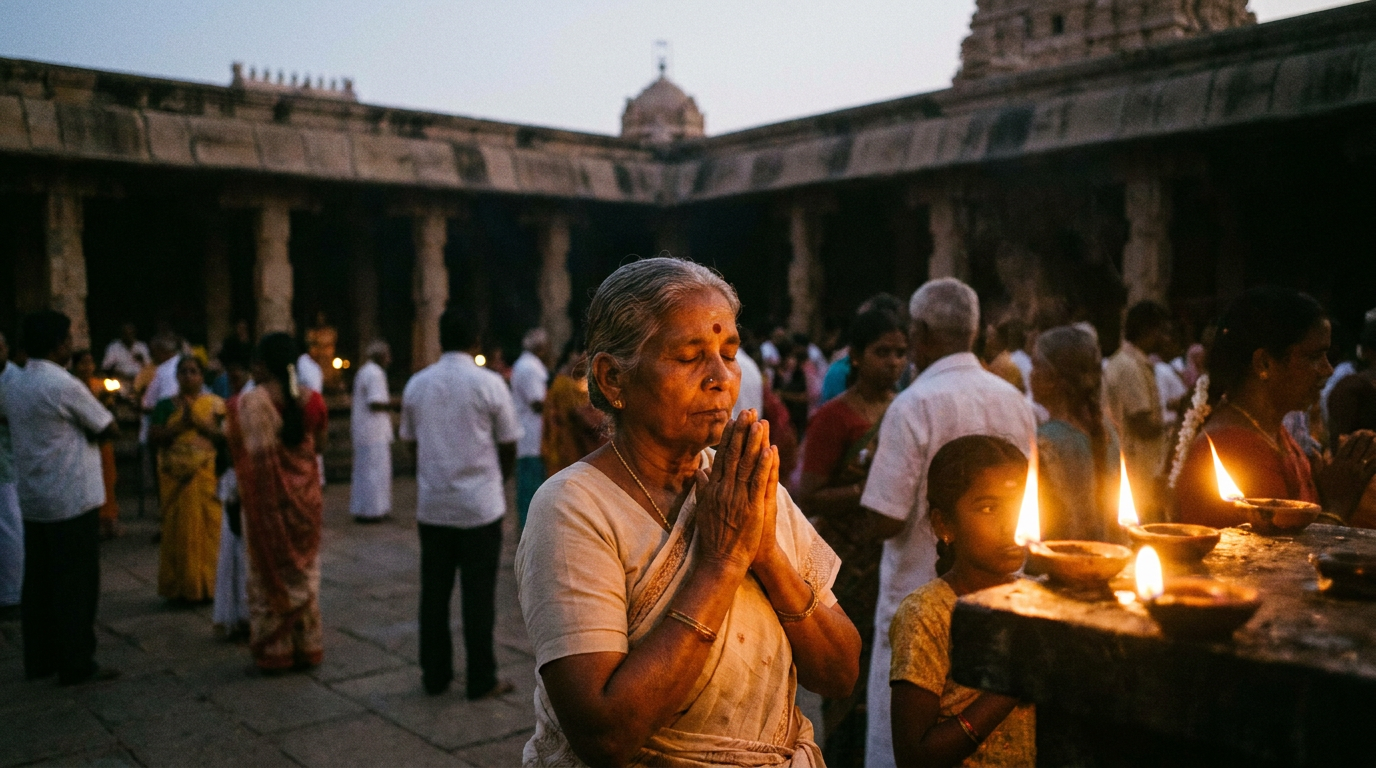
If reverence helps us remember God’s greatness, intimacy helps us remember God’s closeness.
In Bhakti, the Divine is not only a cosmic power or abstract truth. God is personal, loving, responsive, and available to the heart. We can speak to God, sing to God, cry to God, serve God, and listen for God’s guidance.
The Sanskrit word rasa means “taste,” “mood,” or “relationship.” Bhakti scriptures describe that souls can relate with God in many loving ways: as servant, friend, parent, or beloved. These relationships reveal that spiritual life is not merely about rule-following or distant worship. It is about awakening our eternal love.
Intimacy as Trust
Intimacy begins with trust.
Many people carry wounds around the word “God.” Some have experienced religion as judgment, pressure, or exclusion. Bhakti offers a healing invitation: come as you are. Bring your questions, doubts, hopes, grief, and longing.
God is not surprised by our humanity.
In the Bhagavad-gita, Krishna says, “I am seated in everyone’s heart.” This means the Divine already knows us from within. We do not need to pretend. We can pray honestly: “My Lord, I do not know how to love You fully, but I want to begin. Please guide me.”
This kind of prayer is intimate. It is real.
Intimacy as Personal Prayer
Prayer in Bhakti can be formal or spontaneous.
We may chant ancient mantras, recite verses, or sing traditional songs. We may also speak simply from the heart. Both are valuable.
A mantra is a sacred sound vibration used to focus the mind and awaken the heart. One of the most cherished mantras in the Bhakti tradition is the Hare Krishna maha-mantra:
Hare Krishna Hare Krishna
Krishna Krishna Hare Hare
Hare Rama Hare Rama
Rama Rama Hare Hare
Hare calls upon the divine energy of love. Krishna means “the all-attractive one.” Rama means “the source of joy.” In simple terms, this mantra is a heartfelt prayer: “O Divine Lord, O Divine Love, please engage me in Your service.”
Chanting this mantra is both reverent and intimate. We honor the sacred names, and at the same time, we call out personally, like a child calling for a loving parent or a friend calling to a dear companion.
Intimacy as Being Known
Many of us long to be known without being rejected. Bhakti teaches that God knows us completely and loves us more deeply than we can imagine.
This does not mean God approves of everything we do. Love sometimes corrects. Love sometimes invites us to grow. But divine correction is never meant to crush the soul. It is meant to bring us home to our true nature.
Our true nature, according to Bhakti, is that we are eternal souls, beloved parts of God, meant for loving service. The Sanskrit phrase jivera svarupa haya krishnera nitya-dasa means, “The true identity of the living being is to be an eternal servant of Krishna.” Service here is not slavery. It is love in action. It is the soul’s natural joy.
Please visit our website for more information on our articles: articles.
Why Reverence and Intimacy Need Each Other
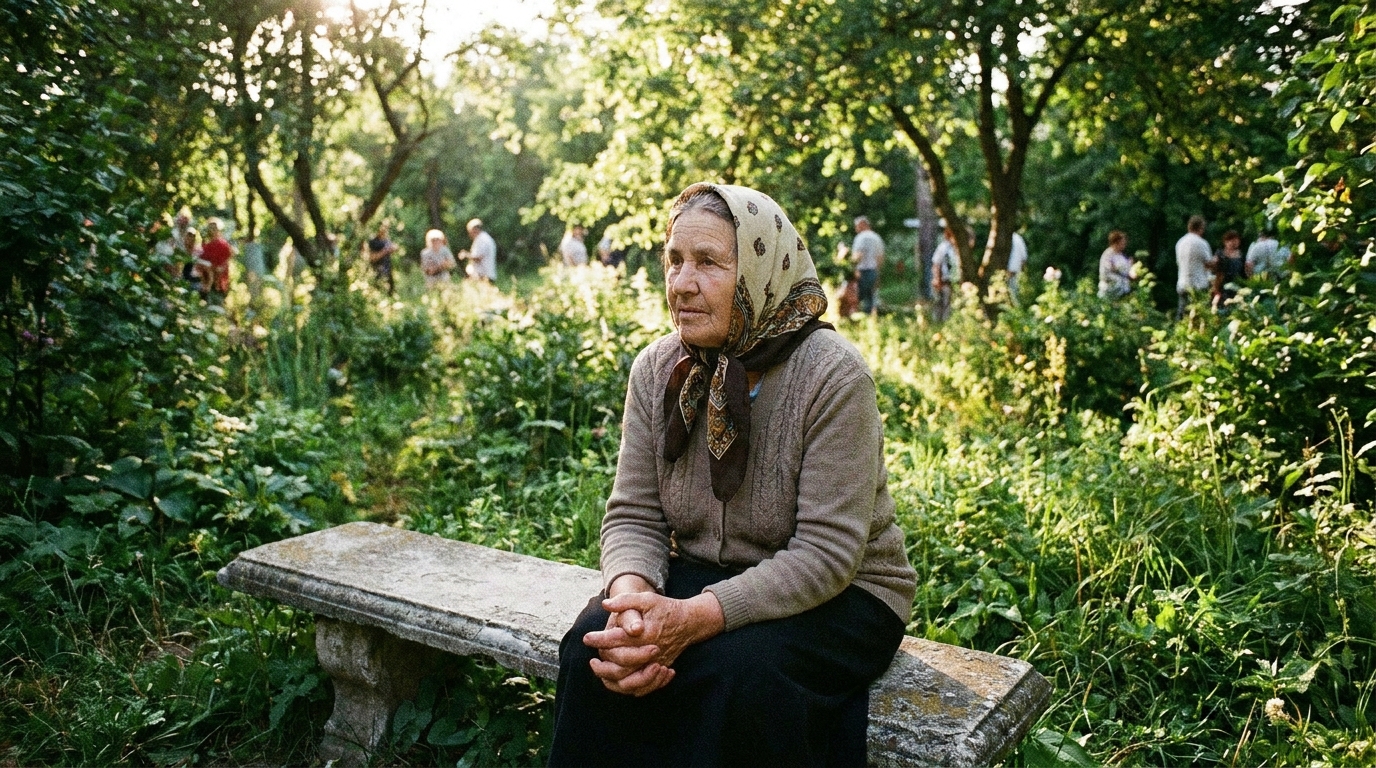
Reverence without intimacy can become dry. Intimacy without reverence can become careless. Together, they create a healthy and beautiful devotional life.
A simple example may help. In a loving family, a child may feel very close to a parent. The child may laugh, play, and speak freely. Yet there is also respect. The child knows the parent is not just another playmate. There is trust, affection, and honor.
Similarly, in Bhakti, we are invited into closeness with God, but not casual indifference. We can speak to God from the heart, but we also remember whom we are addressing: the source of all existence, the shelter of all souls, the beloved Lord of the universe.
Reverence Protects Love
Reverence protects intimacy from becoming selfish.
Sometimes we may approach God only with demands: “Please give me this. Please fix that. Please make my life easier.” It is natural to ask for help. Bhakti does not reject that. But as love matures, we begin to ask deeper questions: “How can I serve? How can I grow? How can I remember You in this situation?”
Reverence reminds us that God is not an object for our use. God is the supreme beloved.
This shift is powerful. Instead of making God part of our agenda, we begin making our life an offering to God.
Intimacy Keeps Reverence Warm
Intimacy protects reverence from becoming cold or mechanical.
Without intimacy, spiritual practice may become only duty. We may chant, pray, or attend gatherings, but the heart may feel distant. Intimacy invites us to bring feeling back into practice.
It is okay to say, “Lord, my heart feels dry today. Please help me remember You.” It is okay to sing with tears. It is okay to sit quietly and simply be present.
Bhakti is not a performance. It is a relationship.
The Mature Devotional Mood
A mature devotee carries both awe and affection.
They may bow before the Lord with deep respect, and then speak to the Lord like a dear friend. They may follow spiritual principles sincerely, and also laugh, sing, dance, and serve with joy. They may recognize God’s greatness, and still trust God’s nearness.
This maturity grows gradually. No one has to force advanced emotions. We begin with honest practice. We chant. We pray. We serve. We listen. We keep showing up.
Lessons from Bhakti Scriptures
The Bhakti tradition is rich with stories that reveal the many ways souls relate to God. These stories are not merely ancient history; they are mirrors for the heart.
They help us understand devotion not just as philosophy, but as lived love.
Arjuna: Friendship with Reverence
In the Bhagavad-gita, Arjuna speaks with Krishna on the battlefield of Kurukshetra. Krishna is Arjuna’s friend and charioteer. This is deeply intimate. Arjuna speaks openly with Krishna, sharing his confusion, fear, and moral struggle.
Yet as the conversation unfolds, Arjuna realizes more fully that Krishna is not an ordinary friend. Krishna reveals His universal form—a vision of divine majesty containing all beings, all time, and all cosmic power. Arjuna is overwhelmed with reverence.
After seeing this form, Arjuna asks forgiveness for any casual ways he may have addressed Krishna as “friend.” This moment shows the balance beautifully. Arjuna’s friendship is real, but his reverence deepens.
For us, Arjuna teaches that we can bring our real-life dilemmas to God. We do not need to hide our confusion. At the same time, we remember that divine guidance is sacred. Prayer is not only self-expression; it is also surrender.
Mother Yashoda: Intimacy Beyond Awe
In the Srimad-Bhagavatam, another central Bhakti scripture, we hear of Mother Yashoda, Krishna’s mother in the village of Vrindavan. She loves Krishna as her child. She feeds Him, protects Him, worries about Him, and even corrects Him when He is naughty.
This is one of the most intimate forms of devotion. Although Krishna is the Supreme Lord, Mother Yashoda’s love is so pure that she does not relate to Him mainly with awe. She relates to Him with motherly affection.
This does not make her devotion lesser. In Bhakti theology, it is considered extraordinarily deep. Her intimacy is not careless; it is pure love. She is completely absorbed in Krishna’s well-being.
For practitioners, we may not imitate Mother Yashoda’s advanced love, but we can learn from her absorption. Bhakti is not meant to remain only theoretical. Love becomes real when we care, when we serve, when we remember God throughout the day.
Hanuman: Service Filled with Love
Hanuman, the great servant of Lord Rama, is beloved across many devotional traditions. His devotion is marked by strength, humility, courage, and total dedication.
Hanuman knows Rama as the Supreme Lord, and he serves Him with deep reverence. Yet Hanuman’s relationship is also intimate. He does not serve from fear; he serves from love. He is bold because his heart belongs to Rama.
Hanuman teaches us that service is not a lower form of spirituality. In Bhakti, service is love made visible. Washing dishes, feeding others, offering music, caring for a child, helping a neighbor, supporting a spiritual community—when done as an offering to God, these acts become sacred.
The Gopis: The Highest Longing of Love
The gopis, the cowherd maidens of Vrindavan, are celebrated in Bhakti scriptures as examples of the highest devotional love. Their hearts are completely absorbed in Krishna. Their love is intimate, selfless, and uninterrupted.
It is important to approach these teachings with reverence. The love of the gopis is not ordinary romance. It represents the soul’s deepest longing for union with God, beyond ego and selfish desire.
For everyday practitioners, the lesson is simple and profound: let the heart long for God. Let chanting become a cry of love. Let prayer become more than words. Let the soul remember its beloved.
Practicing the Balance in Daily Life
The balance of reverence and intimacy is not only for saints, monks, or advanced practitioners. It can be practiced by anyone, anywhere.
You may be new to Bhakti. You may come from another faith tradition. You may feel uncertain about Sanskrit words, rituals, or philosophy. That is okay. Bhakti begins with sincerity.
God sees the heart.
Begin the Day with a Sacred Pause
Before reaching for your phone or rushing into responsibilities, take a small sacred pause.
You might place your hand on your heart and say:
“Dear Lord, thank You for this day. Please guide my thoughts, words, and actions. Help me remember You and serve with love.”
This simple prayer carries reverence because it honors God as guide. It carries intimacy because it speaks personally and honestly.
Even one minute can change the direction of the day.
Chant with Respect and Feeling
Chanting is one of the central practices of Bhakti Yoga. In Sanskrit, the practice of chanting God’s names is often called nama-sankirtana—the joyful glorification of the holy name.
You can chant softly, sing with others, use prayer beads, or listen and respond in a kirtan gathering. Kirtan means devotional singing, usually in a call-and-response form. It is accessible, communal, and heart-opening.
When chanting, try to hold both moods:
Reverence: “These names are sacred. Let me listen carefully.”
Intimacy: “O Lord, please let me come closer to You.”
The mind may wander. Gently return to the sound. The practice is not about forcing the mind into perfection. It is about returning, again and again, with love.
Offer Food with Gratitude
In Bhakti, food can become prasada, which means “mercy” or “grace.” When we prepare and offer food to God with love, and then receive it as sacred, eating becomes a devotional act.
You do not need an elaborate ritual to begin. Before eating, you can pause and pray:
“Dear Lord, thank You for this food. May it nourish my body and heart. I offer it to You with gratitude.”
This practice cultivates reverence by acknowledging God as the giver. It cultivates intimacy by inviting God into one of the most ordinary parts of daily life.
Serve Someone as an Offering
Service is essential to Bhakti. The Sanskrit word seva means loving service. It is not merely volunteering or being helpful, though it may include those things. Seva is action offered to God for the benefit of others.
Ask yourself each day: “What is one act of service I can offer today?”
It may be listening deeply to a friend, cooking for your family, cleaning a shared space, donating to someone in need, encouraging a struggling person, or helping in a spiritual community.
When service is done with reverence, we remember that every soul is sacred. When service is done with intimacy, we feel that we are serving God personally through that soul.
Create a Small Sacred Space
A sacred space at home can support devotional life. It may include a picture of Krishna, Rama, Radha, a beloved form of God, saints, sacred texts, candles, flowers, or simple natural objects that remind you of the Divine.
This space does not need to be expensive or impressive. Its purpose is to help the heart remember.
You can sit there to chant, read, journal, pray, or simply breathe. Over time, the space becomes associated with peace and presence.
Common Imbalances on the Path
Because Bhakti is a relationship, we are always learning. Sometimes we may lean too much in one direction. This is normal. The path gently brings us back.
When Reverence Becomes Fear
Some people approach God with fear that they are never good enough. They may worry that one mistake makes them unworthy of grace.
Bhakti teaches a different mood. Yes, we respect spiritual principles. Yes, our choices matter. But God is compassionate. The Divine is not waiting to reject us; the Divine is inviting us to return.
If your reverence feels heavy with shame, bring that honestly into prayer. Ask for healing. Spend time with teachings and communities that remind you of God’s kindness.
Healthy reverence uplifts the heart. It does not crush it.
When Intimacy Becomes Casualness
On the other side, intimacy can sometimes become casualness. We may take spiritual practices lightly, treat sacred spaces as ordinary, or assume that love means we do not need discipline.
But love naturally includes care.
If we love someone, we show up. We listen. We honor what matters to them. Similarly, in Bhakti, discipline is not punishment. It is devotion taking shape.
A regular chanting practice, respectful speech, mindful eating, scripture study, and service are ways of saying, “My Lord, this relationship matters to me.”
When Practice Becomes Performance
Another imbalance is performing devotion for approval. We may want others to see us as spiritual, advanced, or pure.
This can happen to anyone. The ego can enter even sacred spaces. The remedy is humility and honest prayer.
We can ask: “Am I doing this to be seen, or to serve? Am I trying to impress others, or am I trying to offer my heart?”
Bhakti is deeply personal. Community matters, but the inner offering matters most.
The Role of Community in Learning This Balance
Spiritual community, or sanga, is a precious support on the Bhakti path. Sanga means association or companionship. We become shaped by the people with whom we spend time.
A healthy Bhakti community helps us grow in both reverence and intimacy. It teaches us to honor sacred practices, and it also creates space for honest hearts.
Learning Through Shared Chanting
When people gather for kirtan, something beautiful happens. Voices blend. Differences soften. People from many backgrounds can enter the same sacred sound.
Some may know the mantras well. Some may be hearing them for the first time. Some may sing loudly. Some may simply listen. All are welcome.
Shared chanting teaches reverence because the holy name is placed in the center. It teaches intimacy because everyone is invited to participate personally.
Learning Through Service Together
Serving with others reveals our heart. It shows us our patience, our preferences, our attachments, and our capacity to love.
Community service may include cooking, cleaning, organizing gatherings, welcoming guests, teaching, gardening, caring for children, or supporting outreach. These practical acts become spiritual training.
We learn to see others not as obstacles, but as souls. We learn to cooperate. We learn to apologize. We learn to appreciate. This is Bhakti in daily life.
Learning Through Guidance
The Bhakti tradition honors teachers, elders, and saints because they help us understand the path. A genuine teacher does not replace our relationship with God. Rather, they help us deepen it.
A teacher may remind us to be more disciplined when we become careless. They may remind us of grace when we become discouraged. They help us hold both reverence and intimacy.
Scripture, too, acts as a teacher. Reading even a few verses daily can gradually reshape the mind and nourish the heart.
Bhakti for People of All Backgrounds
Bhakti Yoga is rooted in ancient sacred traditions, especially from India, yet its invitation is universal. Love of God is not limited by nationality, culture, age, gender, education, or religious background.
You do not have to become someone else to begin. You do not have to know all the philosophy. You do not have to pronounce every Sanskrit word perfectly.
You can begin with sincerity.
If You Come from Another Faith
Many people who explore Bhakti come from Christian, Jewish, Muslim, Buddhist, Hindu, interfaith, or non-religious backgrounds. Bhakti can be approached with respect and openness.
The heart of Bhakti—loving God, chanting holy names, serving others, praying sincerely, and living with compassion—can deepen one’s spiritual life in a beautiful way.
If you already have a relationship with God through another tradition, Bhakti may help you bring more song, remembrance, and loving offering into that relationship.
If You Are Unsure About God
Some people are drawn to chanting or community but are not sure what they believe about God. That is also welcome.
Bhakti does not demand that every question be solved before practice begins. Sometimes practice opens understanding. Chanting, prayer, and service can soften the heart and reveal truths that the mind alone cannot grasp.
You might begin with a simple prayer: “If You are there, please guide me. Help me know what is true.”
That prayer is enough to begin.
If You Feel Unworthy
Many sincere people feel unworthy of spiritual life. They think, “I am too flawed. I have made too many mistakes. My mind is too restless.”
But Bhakti is not for the already perfect. Bhakti is the path by which the heart becomes purified through love.
The Bhagavad-gita assures us that even if a person has struggled or made mistakes, if they turn sincerely toward God, they are to be understood as on the right path. The point is not where we have been, but where we are turning now.
One sincere step matters.
The Inner Transformation of Balanced Devotion
As reverence and intimacy grow together, spiritual life becomes steady and sweet.
We begin to notice changes—not always dramatic, but real. We may become more patient, more grateful, less reactive, more prayerful. We may feel a deeper longing for truth. We may begin to see God’s presence in places we once overlooked.
The Heart Becomes Softer
Chanting and prayer soften the heart. Reverence removes arrogance. Intimacy removes loneliness. Together, they make room for compassion.
We become less interested in judging others and more interested in serving them. We begin to understand that everyone is carrying burdens, and everyone is loved by God.
The Mind Becomes Clearer
Bhakti also brings clarity. When we remember God, we remember what matters.
So much of life pulls us into distraction, comparison, and anxiety. Devotional practice gently gathers the scattered mind and turns it toward the eternal.
This does not mean life becomes free from difficulty. But we gain shelter. We learn to ask, “How can this situation bring me closer to God? How can I respond with love?”
The Soul Feels at Home
Ultimately, Bhakti is about returning home—not necessarily to a physical place, but to our eternal relationship with God.
Reverence tells us, “You are standing before the sacred.”
Intimacy tells us, “You are loved by the sacred.”
Together, they tell us, “Come home.”
Taking One Sincere Step
The balance of reverence and intimacy in Bhakti is a lifelong unfolding. We do not need to master it all at once. We simply begin.
Bow your head with humility. Speak to God with honesty. Chant the holy names with attention. Offer your food with gratitude. Serve someone with kindness. Read a sacred verse and carry it into your day.
If your heart feels full, offer that. If your heart feels broken, offer that too. If you feel close to God, be grateful. If you feel far away, call out. The path of Bhakti is held together by grace.
God is great beyond measure, and God is near beyond belief.
At The Bhakti House, all are welcome—seasoned practitioners, curious newcomers, seekers from every background, and anyone longing for a more loving and meaningful life. Wherever you are on the journey, you can take one sincere step toward God today. Chant one name, say one prayer, offer one act of service, or simply turn your heart and say, “Please guide me.”
That one sincere step is precious.
FAQs
What is Bhakti?
Bhakti is a term used in Hinduism to refer to the devotional worship of a personal god or goddess. It involves cultivating a deep and loving relationship with the divine through prayer, rituals, and acts of service.
What is Reverence in Bhakti?
Reverence in Bhakti refers to the attitude of deep respect and awe towards the divine. It involves approaching the deity with a sense of humility and surrender, often through formal rituals and ceremonies.
What is Intimacy in Bhakti?
Intimacy in Bhakti refers to the close and personal relationship with the divine. It involves feeling a sense of closeness, love, and connection with the deity, often through informal and spontaneous expressions of devotion.
How do practitioners balance reverence and intimacy in Bhakti?
Practitioners of Bhakti seek to strike a balance between reverence and intimacy by incorporating both formal and informal practices in their worship. This may involve participating in traditional rituals while also cultivating a personal and loving relationship with the deity through prayer and meditation.
What are some common practices associated with reverence and intimacy in Bhakti?
Common practices associated with reverence in Bhakti include elaborate rituals, offering of flowers, incense, and food, and recitation of sacred texts. Intimacy in Bhakti may be expressed through singing devotional songs, engaging in personal meditation, and expressing love and gratitude towards the deity.

