
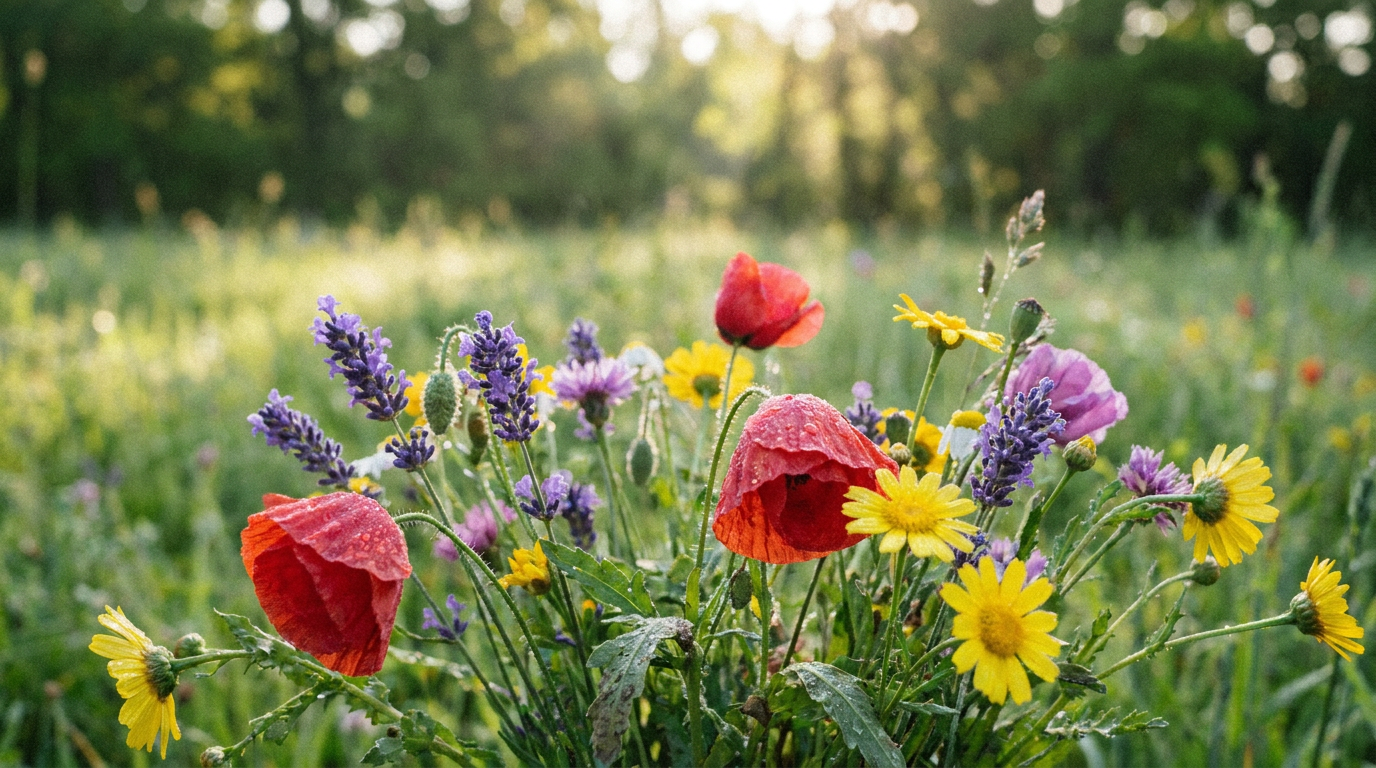
Flowers have a gentle language of their own. They do not argue, demand, or advertise themselves. They simply bloom, offer fragrance, bring beauty, and then fade in humility. In Bhakti Yoga, the path of devotion, flowers are cherished because they remind us of the heart’s natural purpose: to open toward God in love.
Offering flowers is one of the simplest and most beautiful devotional practices. Whether you are new to spiritual life or have practiced for many years, whether you grew up in a religious tradition or are just beginning to explore prayer, you are welcome here. A flower offering can become a sacred moment of connection—a way to say, “Dear Lord, please accept this small gift from my heart.”
In Sanskrit, the sacred language of many Bhakti scriptures, the word puja means worship or loving offering. The word bhakti means devotion, love, or loving service to the Divine. Offering flowers is a form of bhakti because it is not about the material value of the flower. It is about the intention, gratitude, humility, and love we place within the offering.
Flower offerings are found in many spiritual traditions around the world. In Bhakti Yoga, flowers are offered to God as an expression of love, respect, and surrender. The flower is not given because God needs it. The Supreme is complete. Rather, the offering purifies and softens our own heart.
A Simple Act of Love
In the Bhagavad-gita, Lord Krishna says:
“Whoever offers Me with devotion a leaf, a flower, a fruit, or water, I accept that loving offering from the pure-hearted soul.”
— Bhagavad-gita 9.26
This verse is very dear to Bhakti practitioners. Krishna does not ask for something grand, expensive, or impossible. He asks for something simple: a leaf, a flower, a fruit, or water—offered with devotion.
The key word is devotion. A flower offered with sincerity becomes spiritually meaningful. A humble marigold from a garden, a single rose from a market, or even a small wildflower gathered respectfully can become a bridge between the soul and God when offered with love.
Flowers Teach Us Humility
A flower is delicate. It blooms for a short time, shares its beauty, and then returns to the earth. In this way, flowers teach us about the temporary nature of the material world.
We may spend so much energy trying to control life, hold onto youth, or build security in things that change. But flowers remind us gently: everything here is passing. So while we have this human life, let us offer our best to God.
Beauty Belongs to the Divine
In Bhakti understanding, all beauty comes from the Supreme Source. When we offer a flower, we are returning beauty to the One from whom all beauty comes.
This does not mean we reject the world. Rather, we learn to see the world as sacred. A garden, a tree, a river, a sunrise, and a flower can all become reminders of God’s kindness. Bhakti helps us move from taking to thanking.
The Inner Mood of a Flower Offering
The outer action is simple: we place a flower before the Lord. But the inner mood is the real heart of the practice.
Offering with Gratitude
Before offering a flower, pause for a moment. Notice its color, fragrance, shape, and softness. Consider how many gifts of nature came together for this small blossom to appear: sunlight, soil, water, air, time, and divine arrangement.
Then, with gratitude, you may pray:
“Dear Lord, this flower is already Yours. Thank You for allowing me to offer it back with love.”
Gratitude transforms ordinary life into worship. When we become grateful, the heart becomes less restless and more receptive to grace.
Offering with Humility
Humility in Bhakti does not mean thinking badly of ourselves. It means remembering our true position: we are beloved souls, dependent on God, meant for loving service.
A flower offering can be a humble confession:
“I do not have much to give, but I want to give my heart.”
In devotional life, even a small offering becomes great when it is made sincerely. God sees the heart more than the object.
Offering with a Prayerful Heart
You may offer flowers with personal prayers. You can pray for guidance, healing, forgiveness, strength, or love. You can pray for your family, your community, the world, and even those with whom you struggle.
A beautiful Bhakti prayer might be:
“Please help me become more loving, more patient, more truthful, and more useful in Your service.”
In this way, the flower becomes a carrier of prayer.
What Flowers Can Be Offered?
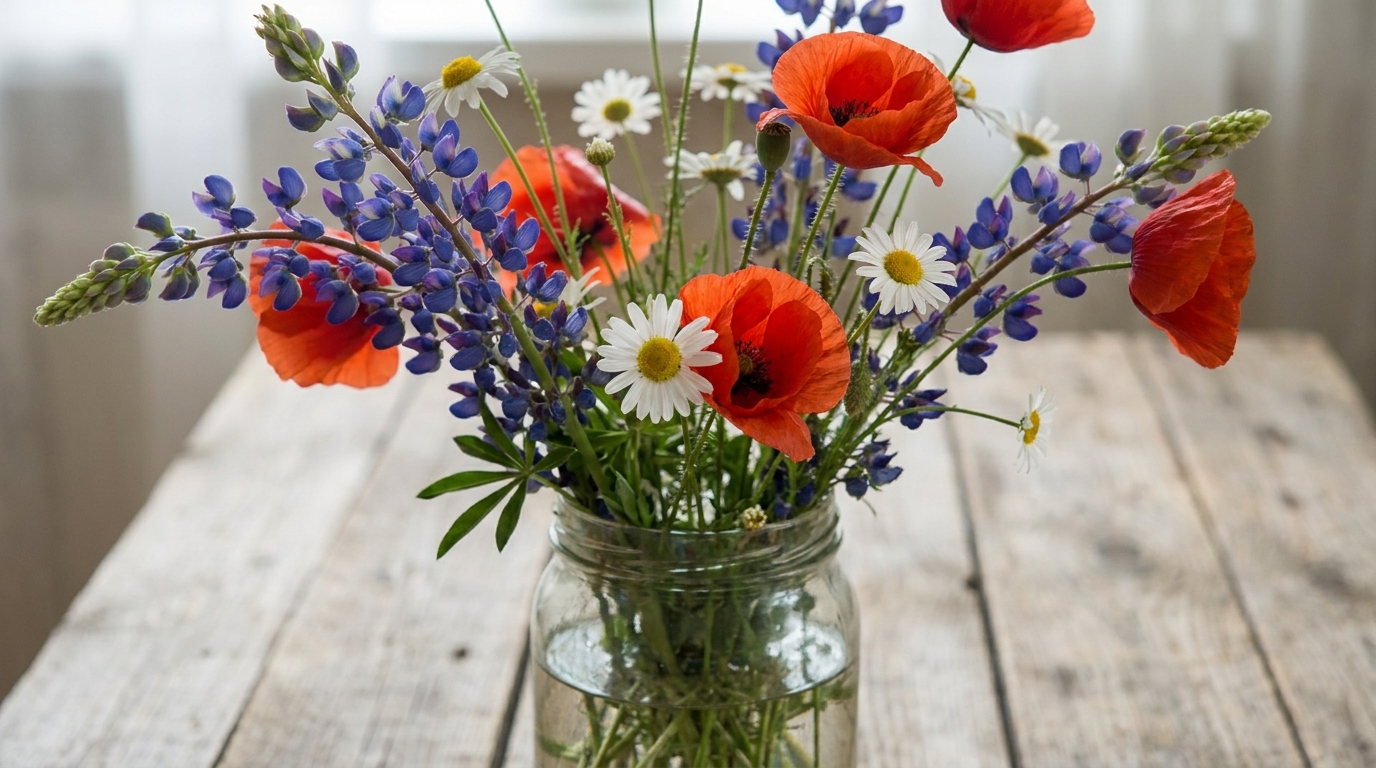
Many flowers can be offered in devotional worship, especially when they are fresh, clean, and gathered respectfully. Different temples and traditions may have specific guidelines, so it is always good to ask if you are serving in a particular community. At home, simplicity and sincerity are most important.
Fresh and Fragrant Flowers
Fresh flowers are generally preferred because they represent life, beauty, and care. Fragrant flowers are especially loved in worship because fragrance naturally uplifts the mind and creates a sacred atmosphere.
Common flowers offered in Bhakti traditions include:
- Roses
- Marigolds
- Jasmine
- Lotus
- Tuberose
- Carnations
- Chrysanthemums
- Gardenias
- Lilies, where appropriate
- Seasonal local flowers
The exact flower is less important than the loving intention. If you have only one simple flower, offer that one with devotion.
Avoiding Wilted or Damaged Flowers
As a general principle, we try to offer God the best we can. Wilted, old, foul-smelling, or damaged flowers are usually avoided. This is not because God is offended by poverty or simplicity. Rather, it is because devotion invites us to be thoughtful.
If we were welcoming a beloved guest, we would naturally want to offer something fresh and beautiful. In Bhakti, the Lord is the most beloved guest in the home and heart.
Flowers Grown with Love
If you have space, growing flowers for worship can be a deeply nourishing practice. Even a small balcony pot or windowsill plant can become part of your spiritual life.
Watering the plant, protecting it, and waiting for the blossom can become meditation. When the flower finally blooms and is offered, the offering carries days or weeks of care.
This is practical Bhakti: turning daily actions into loving service.
Please visit our website for more information on our articles: articles.
Flowers and Tulasi: A Sacred Relationship
In many Vaishnava Bhakti traditions, Tulasi Devi holds a very special place. Tulasi is a sacred plant beloved by Lord Krishna. She is often called the queen of devotion.
What Is Tulasi?
Tulasi, also known as holy basil, is a sacred plant worshiped in many Bhakti homes and temples. Devotees offer Tulasi leaves to Krishna with great reverence.
The scriptures describe Tulasi as especially dear to the Lord. In many Krishna temples, offerings of food, water, and flowers are accompanied by Tulasi leaves or blossoms when possible.
Why Tulasi Is So Dear
Tulasi represents pure devotion. Her presence reminds us that God is conquered not by wealth, power, or scholarship, but by love.
Offering Tulasi is not a casual act. Devotees often bow, pray, and ask permission before picking her leaves. This teaches us reverence for life and respect for sacred things.
A simple prayer before picking Tulasi might be:
“Dear Tulasi Devi, please forgive me for touching your leaves. Please allow me to offer you in service to Lord Krishna.”
Can Flowers Be Offered Without Tulasi?
Yes. If Tulasi is not available, you can still offer flowers with devotion. Bhakti is not meant to discourage us. It is meant to bring us closer to God.
If you do have access to Tulasi, you may include her leaves according to proper guidance. If not, offer what you can with sincerity.
Krishna’s promise in the Bhagavad-gita is generous and welcoming: a leaf, a flower, a fruit, or water—offered with devotion—is accepted.
How to Offer Flowers at Home
You do not need an elaborate temple room to begin offering flowers. A clean, peaceful space is enough. The main requirement is sincerity.
Create a Sacred Space
Choose a place in your home where you can pause and remember God. This may be a small shelf, table, or altar. You might place a picture or deity form of Krishna, Radha-Krishna, Vishnu, Rama, Narasimha, Jagannath, or another form of the Lord worshiped in the Bhakti tradition.
If you come from another devotional background, you may offer flowers according to your sincere understanding of God. The heart of Bhakti is loving connection.
Keep the space clean and respectful. A simple cloth, candle, incense, scripture, or prayer beads can help create a devotional mood.
Prepare Yourself Mindfully
Before offering flowers, wash your hands. If possible, calm your mind with a few deep breaths. You may chant a holy name or simple prayer.
In Bhakti Yoga, chanting the names of God is central. The word mantra means a sacred sound that helps free the mind. One of the most cherished mantras in the Krishna Bhakti tradition is the Maha Mantra:
Hare Krishna, Hare Krishna, Krishna Krishna, Hare Hare
Hare Rama, Hare Rama, Rama Rama, Hare Hare
“Hare” calls to the divine energy of the Lord. “Krishna” means the all-attractive Lord. “Rama” means the reservoir of joy. This mantra is a prayer asking to be engaged in loving service.
You may chant once, three times, or more before offering your flower.
Make the Offering
Place the flower gently before the Lord. You may offer it at the feet of the deity or picture, on a small plate, or in a vase reserved for devotional use.
As you offer, say a simple prayer:
“My dear Lord, please accept this flower. Please accept my gratitude, my prayers, and my desire to love You.”
You do not need complicated words. Speak honestly. God is not impressed by performance. God is touched by sincerity.
Sit for a Moment
After offering, do not rush away. Sit quietly for a few moments. Look at the flower and remember: “I am loved by God, and I am learning to love God.”
You may chant, read a verse from scripture, or simply breathe in a mood of prayer. Let the offering soften your day.
Offering Flowers in the Temple
Temple worship can be very beautiful and powerful. If you visit a Bhakti temple, you may see garlands, flower arrangements, altar decorations, and petals offered during sacred ceremonies.
Garlands as Loving Service
A flower garland is a strand of flowers offered to the Lord or to saintly persons. Making garlands is a treasured service in many Bhakti communities.
Each flower is strung with care, often while chanting or remembering Krishna. The garland becomes more than decoration; it becomes a woven prayer.
If you are new, you may ask temple devotees if there is an opportunity to help. Many communities welcome sincere service, even if you are still learning.
Flower Petals in Kirtan
Kirtan means congregational chanting of God’s names, often with music. In some devotional gatherings, flower petals may be offered during kirtan, festivals, or special ceremonies.
The petals symbolize celebration, surrender, and joy. They remind us that spiritual life is not dry or lifeless. Bhakti is full of color, sound, fragrance, and heartfelt emotion.
Respecting Temple Guidelines
Every temple has its own standards for worship. If you wish to bring flowers, it is kind to ask what is appropriate.
Some temples may request certain types of flowers. Some may avoid flowers with strong pollen, thorns, or particular fragrances. Others may have specific times for offerings.
Following guidance is itself a form of devotion. It helps us serve harmoniously rather than according to our own preference.
The Spiritual Meaning of Different Flower Offerings
While Bhakti does not require us to become overly symbolic, flowers can inspire meaningful reflection. Different qualities of flowers can help us meditate on spiritual values.
The Rose: Love and Surrender
The rose is often associated with love. Its beauty is rich, and its fragrance is sweet. But roses also have thorns, reminding us that love in this world often includes difficulty, sacrifice, and patience.
When offering a rose, we might pray:
“Please help my love become pure, steady, and free from selfishness.”
The Lotus: Purity in the World
The lotus is a powerful symbol in many Bhakti scriptures. It grows from muddy water but remains untouched by the mud. Krishna’s eyes, feet, hands, and face are often compared to lotuses.
The lotus teaches us that we can live in this world without being consumed by it. We can work, care for family, face challenges, and still keep the heart turned toward God.
Jasmine: Sweetness and Simplicity
Jasmine flowers are small, delicate, and wonderfully fragrant. They remind us that even small acts of devotion can carry deep sweetness.
A kind word, a short prayer, a few minutes of chanting, or a single flower offered sincerely can change the atmosphere of the heart.
Marigold: Service and Celebration
Marigolds are commonly used in temples and festivals. Their bright colors bring warmth and joy. They remind us that devotion is not only private meditation but also celebration and community.
When we offer marigolds, we may remember the joy of serving together.
Flower Offerings and Daily Spiritual Practice
Offering flowers becomes most powerful when connected to a daily rhythm of devotion. Bhakti Yoga is practical. It invites us to bring God into ordinary life.
Morning Offering
Morning is a beautiful time to offer flowers. Before the demands of the day fill the mind, we can begin with remembrance.
A simple morning practice may include:
- Washing and preparing your altar space
- Offering a fresh flower or water
- Chanting the Maha Mantra
- Reading one verse from the Bhagavad-gita
- Praying for guidance in the day ahead
Even ten minutes can shape the consciousness of the whole day.
Offering Your Work Like a Flower
In the Bhagavad-gita, Krishna teaches that we can offer our actions to Him. This means spiritual life is not limited to rituals. Our work, parenting, studies, cooking, cleaning, art, and relationships can become offerings.
A flower offering can train the heart to live this way. As we place a flower before God, we learn to place our day before God.
You might pray:
“May my words today be flowers. May my actions today be flowers. May I offer kindness wherever I go.”
Evening Reflection
At the end of the day, you may look at the offered flower. If it has begun to fade, let it teach you gently. The day has passed. Our words and actions cannot be taken back, but they can be offered with honesty.
You might pray:
“Please forgive my mistakes. Thank You for Your mercy. Please help me grow tomorrow.”
This simple reflection helps spiritual growth become steady and compassionate.
Caring for Offered Flowers
Once flowers have been offered, they are considered sacred because they have been used in worship. In Sanskrit, something offered to the Lord and received back as mercy is called prasada. This word means grace or mercy.
Receiving Flower Prasada
In many temples, flowers or garlands that were offered to the Lord may be shared with visitors. Devotees may touch them to their head as a sign of respect.
This is not superstition. It is a devotional way of acknowledging: “This has been connected to God’s service.”
If you receive a flower from the altar, treat it respectfully.
How to Dispose of Offered Flowers
When flowers fade, do not throw them carelessly into the trash if you can avoid it. Because they were offered, it is respectful to return them to nature.
You may place them:
- At the base of a tree
- In a garden
- In compost, if done respectfully
- In a clean natural area where allowed
If none of these options are available, wrap them respectfully before disposal. The main point is to maintain a mood of gratitude.
Drying Flowers for Remembrance
Some devotees dry offered flowers or petals and keep them in a sacred book, prayer journal, or small devotional box. This can be a sweet reminder of a festival, pilgrimage, prayer, or special moment of grace.
However, it is best not to hoard sacred items. Keep what genuinely supports remembrance, and respectfully return the rest to the earth.
Common Questions About Offering Flowers
Many people feel shy when beginning devotional practices. They wonder if they are doing things correctly. These questions are natural. Bhakti is learned through sincerity, guidance, and practice.
Do I Need to Be Hindu to Offer Flowers?
No. Bhakti Yoga welcomes the soul, and the soul is beyond labels of nationality, background, race, gender, or previous religious identity.
If you feel called to offer a flower to God with respect and love, you may begin. Over time, you can learn more about the tradition, scriptures, and practices.
The Bhakti path does not ask us to pretend. It invites us to come sincerely as we are.
What If I Do Not Have Fresh Flowers?
You can offer water, fruit, a leaf, or even a heartfelt prayer. Krishna’s teaching in the Bhagavad-gita is very accessible. The Lord accepts simple offerings made with devotion.
If flowers are unavailable, do not feel discouraged. Offer what you have.
Can I Offer Store-Bought Flowers?
Yes. Store-bought flowers can be offered. If possible, choose fresh flowers and handle them respectfully. Before offering, you may rinse the stems or arrange them nicely.
If you are able to support local growers or use flowers grown without harm to the environment, that can be a thoughtful expression of devotion. But do not let perfection stop your practice.
Can Children Offer Flowers?
Absolutely. Children often understand devotion very naturally. Inviting a child to offer a flower, say a prayer, or chant a simple mantra can plant seeds of love and gratitude.
Keep it joyful. Let them participate without pressure. A child’s sincere offering is very precious.
What If My Mind Wanders During the Offering?
That is okay. The mind wanders. Spiritual practice gently brings it back.
If your mind wanders, simply return to the prayer: “Please accept this offering.” Over time, attention grows. Bhakti is not about instant perfection. It is about a sincere relationship.
Offering Flowers as a Path of Healing
Many people come to spiritual life carrying grief, stress, loneliness, or questions. A flower offering can be a small healing ritual, not because the flower magically removes all pain, but because it helps us place our pain in loving hands.
Offering Grief
If you have lost someone, you may offer a flower and pray for them. You may say:
“Dear Lord, please hold this soul in Your care. Please help me remember that love is eternal.”
Bhakti scriptures teach that the soul is eternal. The body changes, but the soul continues. This understanding can bring comfort when held with tenderness.
Offering Anxiety
When the heart is anxious, the act of slowing down, touching a flower, and praying can bring steadiness.
You might pray:
“I do not control everything. Please guide me. Please help me trust You one step at a time.”
This is not escapism. It is spiritual grounding. From that grounded place, we can act with more clarity.
Offering Hope
Sometimes we offer flowers not because life feels easy, but because we choose hope. A flower on the altar says, “Even in difficulty, beauty is still possible. Love is still possible. God is still near.”
This is the courage of Bhakti.
Flower Offerings and the Environment
Because flowers come from nature, offering flowers can deepen our ecological awareness. Devotion should make us more caring, not careless.
Gather Respectfully
If picking flowers from your garden, avoid taking everything. Leave some for bees, butterflies, and the plant’s natural life cycle.
Before picking, pause with gratitude. This small awareness changes the mood from consumption to relationship.
Choose Mindfully
When possible, choose flowers that are seasonal, local, and grown with fewer harmful chemicals. This is not always possible, and no one should feel ashamed if choices are limited. Still, mindfulness in offering is part of spiritual growth.
See the Earth as God’s Energy
In the Bhagavad-gita, Krishna explains that earth, water, fire, air, and other elements are His energies. This means the natural world is not separate from the Divine. It is sacred energy meant to be honored.
When we care for the earth, we are also serving God’s creation.
A Simple Flower Offering Practice for Beginners
If you are ready to begin, here is a simple practice you can try today or this week.
Step 1: Choose One Flower
Find one fresh flower. It may be from a garden, shop, or plant you care for. Hold it gently.
Step 2: Prepare a Clean Place
Place a picture of Krishna, Radha-Krishna, or a sacred form of God on a clean surface. If you do not have a picture, you can still offer your prayer sincerely in your heart.
Step 3: Chant or Pray
Chant the Maha Mantra once or three times:
Hare Krishna, Hare Krishna, Krishna Krishna, Hare Hare
Hare Rama, Hare Rama, Rama Rama, Hare Hare
Or say a simple prayer in your own words.
Step 4: Offer the Flower
Place the flower before the Lord and say:
“Please accept this flower and the love I am trying to offer.”
Step 5: Carry the Mood Into Your Day
After the offering, choose one loving action: speak kindly, forgive someone, serve a meal, chant for a few minutes, or read a verse of scripture.
The flower offering becomes complete when its fragrance enters our behavior.
The Heart of the Offering
At its deepest level, offering flowers is practice for offering ourselves.
The flower represents the heart. Sometimes our heart is open and fragrant. Sometimes it feels closed, bruised, or tired. Still, we can offer it.
Bhakti Yoga teaches that God is not far away. The Lord is present in the heart of every living being, patiently waiting for us to turn toward Him. Every sincere offering, every holy name chanted, every prayer whispered, every act of service done with love brings us closer.
We may begin with one flower. Then one prayer. Then one moment of chanting. Then one act of kindness. Gradually, life itself becomes an offering.
You do not need to be perfect to begin. You do not need to know every mantra or rule. You do not need to have a beautiful altar or abundant flowers. Bring what you have. Bring your questions. Bring your gratitude. Bring your longing. Bring your heart.
Everyone is welcome on the path of Bhakti. Today, may you take one sincere step toward God—perhaps with a single flower, a simple prayer, or the holy name spoken softly with love.
FAQs
What are the benefits of offering flowers?
Flowers have been known to have a positive impact on mental health, reducing stress and anxiety. They also have the ability to improve mood and create a sense of well-being.
How do you choose the right flowers to offer?
When choosing flowers to offer, consider the recipient’s preferences, the occasion, and the symbolism of different flowers. It’s also important to consider the color and fragrance of the flowers.
What are some popular occasions for offering flowers?
Popular occasions for offering flowers include birthdays, anniversaries, weddings, funerals, graduations, and holidays such as Valentine’s Day and Mother’s Day.
How should flowers be presented when offering them?
When offering flowers, it’s important to present them in a clean vase with fresh water. It’s also thoughtful to include a personalized note or card with the flowers.
Are there any cultural considerations when offering flowers?
Yes, different cultures have different traditions and meanings associated with certain flowers. It’s important to be mindful of cultural considerations when offering flowers, especially in diverse or international settings.

