
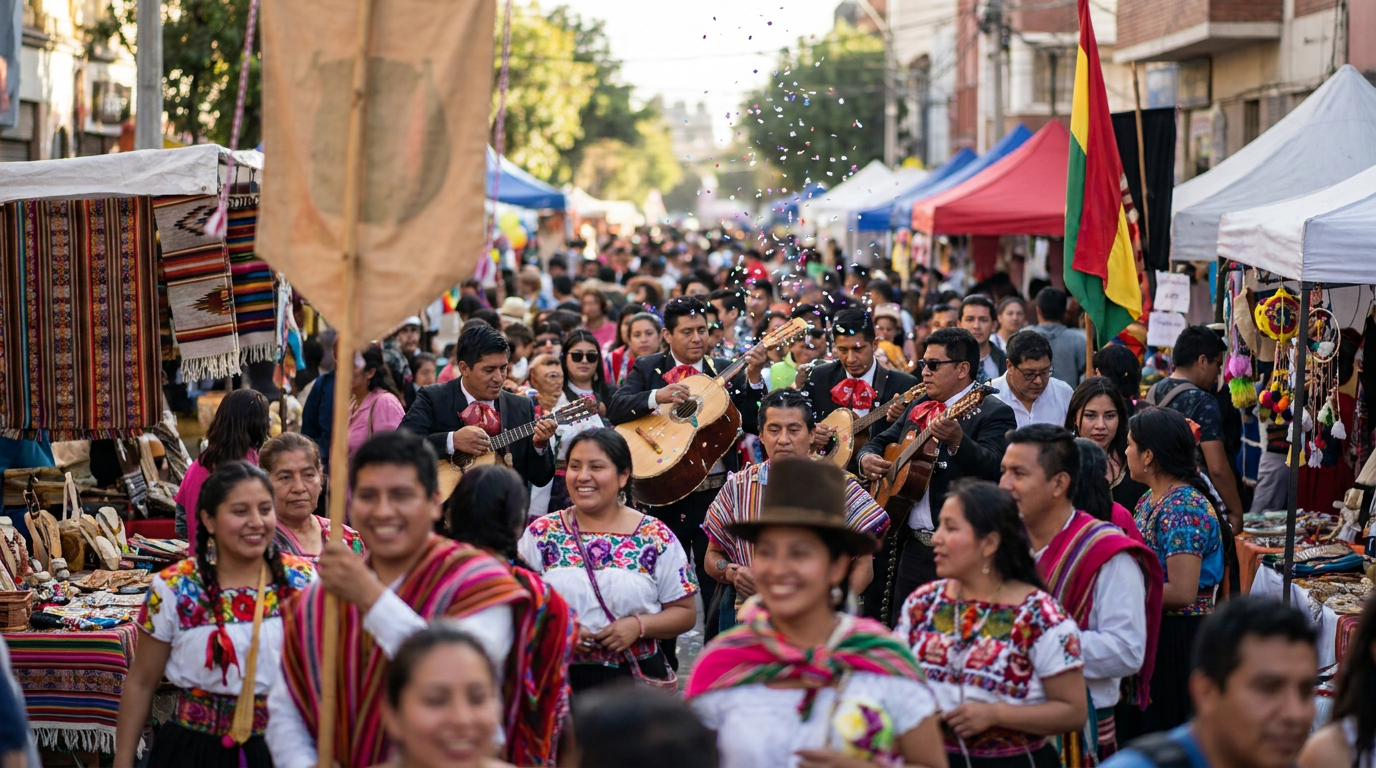
Festivals are sacred pauses in the rhythm of life. They invite us to step away from the rush of ordinary duties and remember what our hearts are truly longing for: connection, love, meaning, and God.
In the Bhakti tradition, festivals are not only cultural celebrations. They are living spiritual practices. Through chanting, prayer, sacred food, storytelling, service, and community, festivals help us awaken devotion—our natural love for the Divine.
Bhakti Yoga means “the yoga of devotion.” The word bhakti comes from Sanskrit and means loving service or devotion. Yoga means connection. So Bhakti Yoga is the path of reconnecting with God through love. Festivals are one of the most joyful ways to practice this path.
Whether you are new to spiritual life, returning after many years, curious about Indian festivals, or already walking the path of devotion, you are welcome here. This complete guide to festivals will help you understand their deeper meaning, how to participate, and how to bring their blessings into daily life.
Festivals in Bhakti Yoga are sacred days that help us remember God, honor saints and teachers, celebrate divine appearances, and gather as a spiritual family.
They are not simply dates on a calendar. They are opportunities for transformation.
In the Bhagavad-gita, Krishna says, “Always think of Me, become My devotee, worship Me, and offer your homage unto Me” (Bhagavad-gita 18.65). Festivals help us practice this instruction in a natural and joyful way. We think of God through stories, songs, worship, food, and loving service.
Sacred Time and Spiritual Memory
In Sanskrit, sacred time is often connected with the word tithi, meaning a lunar day. Many Bhakti festivals follow the lunar calendar, which is why dates may change each year on the Western calendar.
This reminds us that spiritual life has its own rhythm. Just as the moon grows and becomes full, our devotion can also grow through regular remembrance.
Festivals help us remember:
- God’s names, forms, qualities, and pastimes
- The lives of great saints and spiritual teachers
- The importance of compassion, humility, and service
- Our eternal relationship with the Divine
Celebration as Spiritual Practice
In Bhakti Yoga, celebration is not separate from devotion. Singing, dancing, cooking, decorating, and serving guests can all become offerings to God when done with love.
The Sanskrit word seva means service. During festivals, many people practice seva by helping prepare flowers, cook sacred food, clean the temple, greet visitors, sing in kirtan, or support the event in quiet ways.
No service is too small. A sincere heart is the real offering.
Community and Belonging
Festivals bring people together. In a world where many feel lonely or disconnected, spiritual festivals create a space of belonging.
You do not need to know all the songs, customs, or Sanskrit words to attend. You do not need to be perfect. You do not need to come from a particular background.
In Bhakti, the heart matters most.
Why Festivals Matter on the Path of Bhakti
Festivals nourish devotion in ways that are both deep and practical. They engage the whole person: body, mind, heart, and soul.
When we chant, we use our voice. When we bow, we use our body. When we hear sacred teachings, we use our mind. When we serve, we open our heart. When we remember God, the soul becomes refreshed.
Festivals Help Us Remember God
The central practice of Bhakti Yoga is remembrance of God. This remembrance can happen through chanting divine names, reading scripture, offering food, serving others, and praying sincerely.
The Srimad Bhagavatam, one of the most beloved Bhakti scriptures, teaches that hearing and chanting about the Divine cleanses the heart. This does not mean we become perfect overnight. It means that sincere spiritual sound gradually softens the heart and awakens love.
Festivals give us concentrated time for this sacred remembrance.
Festivals Purify Our Intentions
Many festivals include fasting, prayer, vows, or extra chanting. These practices are not meant to punish the body. They help us gently turn inward.
Fasting, when done appropriately and safely, can remind us that we are more than our physical cravings. Prayer reminds us that we are held by divine grace. Service reminds us that life is not only about receiving, but also about giving.
In Bhakti, purity is not about pride. It is about sincerity.
Festivals Bring Joy to Spiritual Life
Sometimes people imagine spirituality as serious, dry, or difficult. Bhakti festivals show another side: spiritual life can be full of music, color, laughter, dancing, delicious sacred food, and loving friendship.
The joy of Bhakti is not superficial entertainment. It is joy connected to the soul. It is the happiness that comes when we remember we belong to God and to one another.
Festivals Teach Through Story
Many Bhakti festivals center around divine stories, called lila in Sanskrit. Lila means sacred pastime or divine play.
These stories are not just ancient history. They reveal spiritual truths. When we hear about Krishna lifting Govardhan Hill, we learn about shelter. When we hear about Lord Rama’s faithfulness, we learn about righteousness and devotion. When we honor saints, we learn how ordinary human lives can become extraordinary through love.
Major Bhakti Festivals and Their Meanings
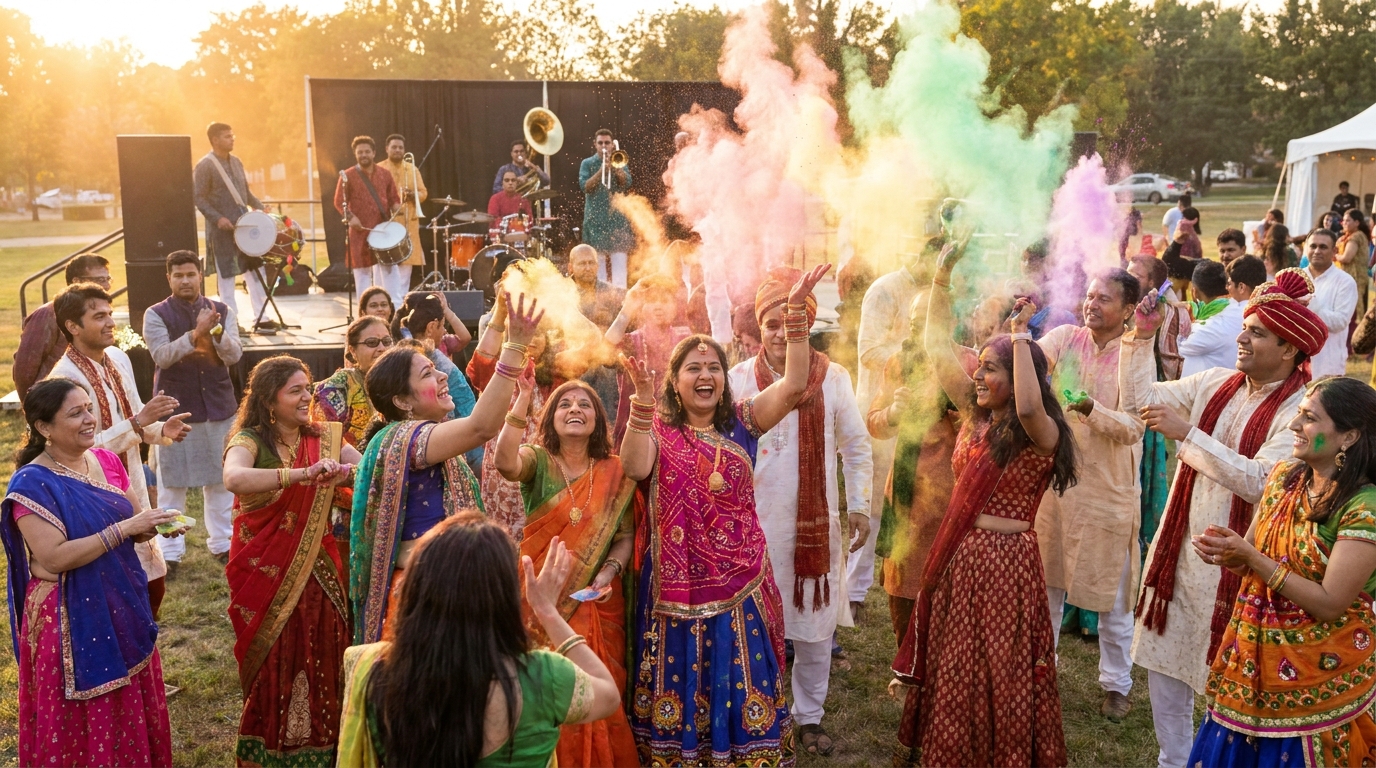
There are many sacred festivals in the Bhakti tradition. Each one carries a unique mood and lesson. Below are some of the most widely celebrated festivals, especially in Vaishnava Bhakti, the devotional tradition centered on Vishnu, Krishna, Rama, and their divine forms.
Janmashtami: The Appearance of Lord Krishna
Janmashtami celebrates the appearance of Lord Krishna. The word janma means birth, and ashtami refers to the eighth lunar day. This festival usually falls in August or September.
Devotees often fast, chant, decorate the temple, hear Krishna’s pastimes, and stay up until midnight, the time traditionally associated with Krishna’s appearance.
Krishna’s birth story is full of hope. He appears in a prison cell, in the darkness of night, to bring light to the world. This reminds us that divine grace can enter even the most difficult circumstances.
Practical reflection: Where in your life do you need Krishna’s light? What inner prison—fear, anger, grief, or doubt—are you praying to be freed from?
Radhastami: Honoring Srimati Radharani
Radhastami celebrates the appearance of Srimati Radharani, the beloved of Krishna and the highest example of pure devotion.
In Bhakti, Radha represents the most selfless love for God. Her devotion is not motivated by personal gain. She loves Krishna simply because love is her nature.
For practitioners, Radhastami is a day to pray for a softer heart. We ask to serve with humility, compassion, and sincerity.
Practical reflection: How can I love without needing recognition? How can I serve God and others more selflessly?
Gaura Purnima: The Appearance of Sri Chaitanya Mahaprabhu
Gaura Purnima celebrates Sri Chaitanya Mahaprabhu, a golden saint and divine teacher who spread the chanting of God’s names, especially the Hare Krishna maha-mantra.
Gaura means golden, and purnima means full moon. Sri Chaitanya taught that in this age, the simple and powerful practice of chanting the holy names can awaken love of God.
The Hare Krishna maha-mantra is:
Hare Krishna, Hare Krishna, Krishna Krishna, Hare Hare
Hare Rama, Hare Rama, Rama Rama, Hare Hare
A mantra is a sacred sound that protects and uplifts the mind. Maha means great, so the maha-mantra is known as the great mantra for spiritual awakening.
Practical reflection: Can I set aside a few minutes each day to chant with attention and sincerity?
Rama Navami: Celebrating Lord Rama
Rama Navami honors the appearance of Lord Rama, the prince of Ayodhya, whose life is described in the Ramayana.
Lord Rama represents dharma, which means sacred duty, righteousness, and living in harmony with truth. His life teaches courage, loyalty, compassion, and devotion even during hardship.
Rama Navami is often celebrated with readings from the Ramayana, kirtan, fasting, and offerings.
Practical reflection: What does integrity look like in my life right now? Where can I choose truth with kindness?
Nrsimha Chaturdashi: Divine Protection
Nrsimha Chaturdashi celebrates Lord Nrsimha, the half-man, half-lion form of the Divine who appeared to protect the young devotee Prahlada.
Prahlada was a child saint who remained faithful to God despite great persecution. His story teaches that devotion can live even in the most challenging environments.
Lord Nrsimha reminds us that God protects the sincere heart. Protection may not always look the way we expect, but divine care is always present.
Practical reflection: What fear can I bring honestly into prayer today?
Govardhan Puja: Taking Shelter of Krishna
Govardhan Puja celebrates Krishna lifting Govardhan Hill to protect the residents of Vrindavan from devastating rains.
This festival often includes a beautiful offering of many foods, called Annakuta, meaning “mountain of grains.” Devotees prepare a mountain-like display of sacred food to offer to Krishna.
The lesson is simple and profound: take shelter of God. Krishna lifted a mountain with ease, showing that divine shelter is greater than any storm.
Practical reflection: What storms am I trying to carry alone? How can I take shelter through prayer, chanting, and community?
Kartik: The Month of Deep Devotion
Kartik is a sacred month, usually falling in October and November, especially dear to Krishna. It is often called the month of Damodara, a name of Krishna that means “He who was bound by the waist.”
This name comes from the sweet childhood pastime in which Mother Yashoda binds Krishna with rope. The deeper meaning is that God, who cannot be controlled by anything, allows Himself to be bound by love.
During Kartik, devotees often offer small lamps, sing the Damodarastakam prayers, increase chanting, and make simple spiritual vows.
Practical reflection: What small daily offering can I make for one month—one prayer, one mantra, one act of kindness?
Sure, here is the sentence with the clickable link:
I love to visit The Bhakti House for spiritual inspiration.
Common Elements of Bhakti Festivals
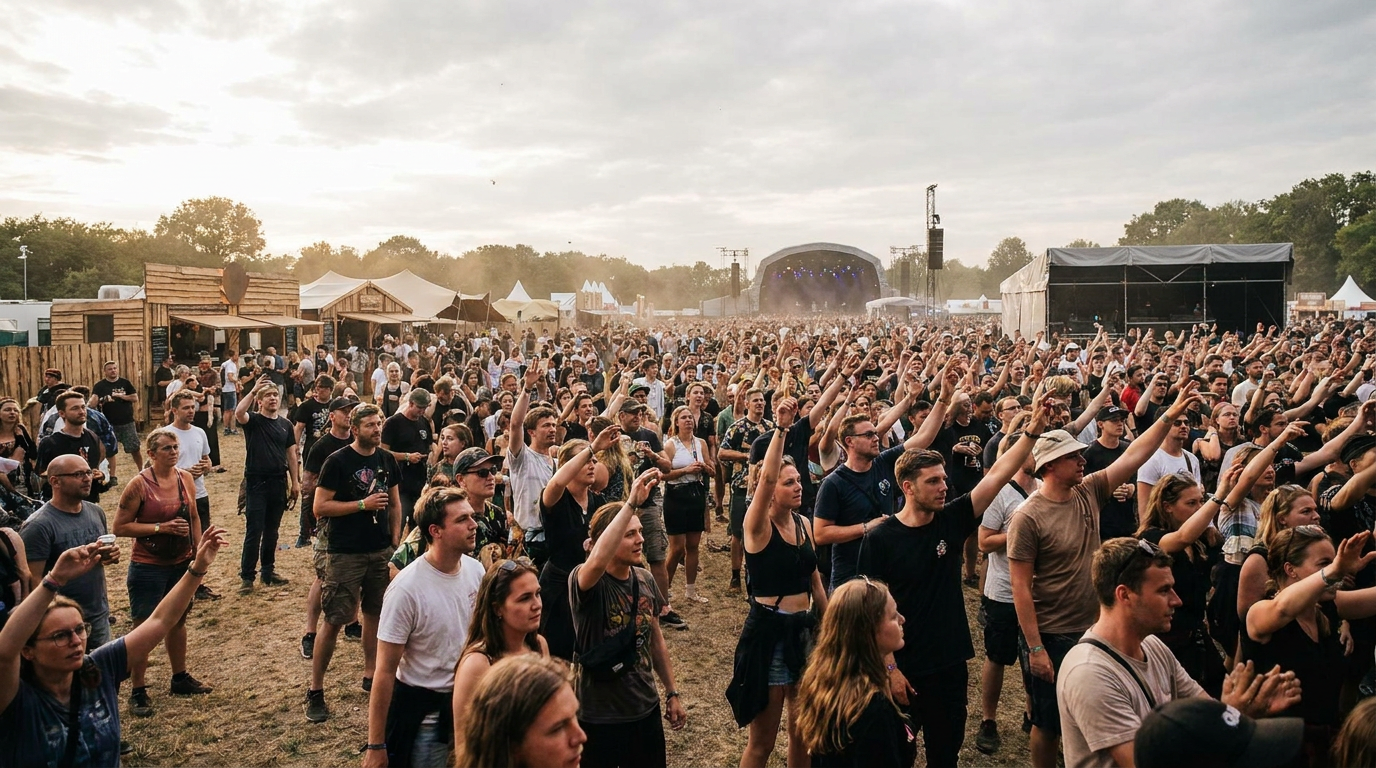
Although each festival has its own mood, many share common practices. These practices are accessible and meaningful, whether you attend a temple festival or celebrate at home.
Kirtan: Sacred Chanting Together
Kirtan means congregational chanting of God’s names. It is one of the most beloved practices in Bhakti Yoga.
In kirtan, one person may lead and others respond. Instruments like harmonium, mridanga drum, kartals, guitar, or simple hand-clapping may accompany the chanting.
The purpose is not performance. The purpose is offering. You do not need a trained voice. You only need a willing heart.
Chanting can calm the mind, open the heart, and create unity among people. In Bhakti, the divine name is considered non-different from the Divine. This means that when we chant sincerely, we are entering sacred presence.
Arati: Offering Light and Love
Arati is a ceremony in which offerings such as incense, lamp, water, cloth, flowers, and fans are offered to the Lord.
The lamp is especially meaningful. As it is offered, we remember that God is the source of all light. After the lamp is offered, participants may receive the flame by gently passing their hands over it and touching their head. This symbolizes receiving divine blessings.
Arati teaches us to offer the elements of life back to their source. Everything we have—our breath, senses, time, and talents—can become an offering.
Prasadam: Sacred Food Offered with Love
Prasadam means mercy or grace. In Bhakti festivals, vegetarian food is lovingly prepared and offered to God before being shared.
The Bhagavad-gita teaches that Krishna accepts offerings made with devotion: “If one offers Me with love and devotion a leaf, a flower, fruit or water, I will accept it” (Bhagavad-gita 9.26).
This verse is deeply encouraging. God is not asking for something expensive or grand. God is asking for love.
When food is offered with devotion, it becomes prasadam—spiritual nourishment. Sharing prasadam is one of the sweetest parts of Bhakti festivals.
Scripture and Storytelling
Festivals often include readings from the Bhagavad-gita, Srimad Bhagavatam, Ramayana, or writings of saints and teachers.
Scripture in Bhakti is not meant to remain theoretical. It is meant to be lived. A festival class or talk may explain how an ancient story applies to modern challenges—family life, anxiety, service, forgiveness, purpose, and spiritual discipline.
Listening with an open heart is a form of devotion.
Seva: Serving with Humility
No festival happens without service. Someone cleans the floor. Someone cuts vegetables. Someone arranges flowers. Someone welcomes guests. Someone washes pots late at night.
In Bhakti, these services are sacred.
Service helps dissolve the ego, the false idea that “I am the center.” Through seva, we learn to become instruments of love.
A humble service done quietly may be more spiritually powerful than a visible role done for praise.
How to Participate in a Bhakti Festival
If you are new, attending a Bhakti festival may feel both beautiful and unfamiliar. That is completely okay. Everyone begins somewhere.
You do not need to understand everything to receive spiritual benefit. Come with respect, curiosity, and openness.
Come As You Are
You may wonder: What should I wear? What should I do? Will I fit in?
Most Bhakti communities welcome modest, comfortable clothing. Some people may wear traditional Indian clothing, but it is usually not required. If you are visiting a temple or spiritual center, it is often customary to remove shoes before entering sacred spaces.
If you are unsure, simply ask. A sincere question is always welcome.
Join the Chanting
During kirtan, you can listen, sing softly, clap, or simply let the sound enter your heart.
If the words are new, do not worry. Many mantras are repeated many times. You may find yourself gradually joining in.
The holy names do not require perfect pronunciation to bless us. Sincerity matters more than technical skill.
Receive Prasadam Respectfully
When sacred food is served, receive it with gratitude. Prasadam is considered a gift of grace.
If you have dietary needs or allergies, it is appropriate to ask what is in the food. Bhakti is compassionate and practical. Taking care of your health is also part of honoring the body as a gift from God.
Ask Questions with an Open Heart
Bhakti festivals can include many symbols: lamps, bells, flowers, deities, mantras, tilaka markings, and sacred clothing. If you do not understand something, ask gently.
Spiritual life grows through honest inquiry. In the Bhagavad-gita (4.34), Krishna encourages approaching spiritual teachers with humility, inquiry, and service. Questions are part of the path.
Offer a Simple Service
If you feel moved, ask how you can help. You might carry chairs, serve water, help clean up, distribute prasadam, or welcome others.
Service transforms us from observers into participants. Even a small act done with devotion can open the heart.
How to Celebrate Festivals at Home
Not everyone can attend a temple or community gathering. You can still honor festivals at home in a simple and meaningful way.
Bhakti is not limited by location. A sincere home can become a sacred space.
Create a Small Sacred Space
You may set aside a clean place with a picture of Krishna, Rama, Radha, Sri Chaitanya, or another form of God you feel drawn to. You can add flowers, a candle or lamp, scripture, or prayer beads.
The goal is not perfection. The goal is remembrance.
A small altar reminds the heart: “God is welcome here.”
Chant or Pray
Choose a mantra or prayer and repeat it sincerely. You may chant the Hare Krishna maha-mantra, say a prayer in your own words, or read a verse from scripture.
Even five minutes can be meaningful.
If your mind wanders, gently return. Bhakti is not about forcing the mind. It is about repeatedly bringing the heart back to love.
Read a Sacred Story
For Janmashtami, read about Krishna’s appearance. For Rama Navami, read from the Ramayana. For Nrsimha Chaturdashi, read the story of Prahlada. For Govardhan Puja, read about Krishna lifting Govardhan Hill.
After reading, ask yourself:
- What quality is being taught here?
- How does this story speak to my life?
- What is one action I can take today?
Offer Food with Love
Prepare a simple vegetarian meal, fruit, water, or a sweet. Place it before God and offer a prayer.
You might say:
“Dear Lord, thank You for this food and for all Your gifts. Please accept this offering made with love. May it nourish my body and awaken devotion in my heart.”
After a few moments, receive and share the food as prasadam.
Practice Kindness and Service
A festival at home can include an act of compassion. Call someone who is lonely. Donate food. Help a neighbor. Forgive someone inwardly. Speak gently to your family.
Love for God naturally expands into love for all beings.
The Inner Meaning of Festival Practices
Every festival practice has an outer form and an inner invitation. The outer form may be music, fasting, flowers, lamps, or food. The inner invitation is always love.
Fasting as Remembering
Fasting in Bhakti is called upavasa, which can be understood as “staying near” the Divine. The purpose is not merely to avoid food. The purpose is to come closer to God.
Some people fast fully. Some take fruit or simple foods. Some cannot fast for health reasons, and that is okay. Devotion should be practiced with wisdom.
If you cannot fast from food, you might fast from gossip, complaint, social media, or harsh speech. The deeper question is: What can I release today so I can remember God more clearly?
Flowers as the Heart’s Offering
Flowers are beautiful, fragrant, and temporary. Offering flowers teaches us to offer the best of what we have, even though life is passing.
A flower does not last forever, and neither do our bodies, possessions, or circumstances. But love offered to God becomes eternal.
Lamps as Hope
Lighting a lamp symbolizes inviting divine light into the heart.
Many of us carry hidden darkness—confusion, grief, resentment, or fear. A small lamp reminds us that even a little spiritual light can change the atmosphere within.
Dancing as Surrender
In kirtan, people may dance. This is not about display. It is about joy and surrender.
The body, often used for work, stress, and survival, becomes an instrument of devotion. Dancing before God says, “I am Yours.”
Community as Grace
Festivals remind us that spiritual growth is not meant to be lonely. Association with sincere seekers is called sadhu-sanga—the company of saintly or spiritually minded people.
The Srimad Bhagavatam glorifies hearing about God in the company of devotees because such association strengthens faith and devotion.
Sometimes one conversation, one shared song, or one moment of service can deeply encourage the soul.
Festivals and Personal Spiritual Growth
The true success of a festival is not only how beautiful the decorations were or how many people attended. The real question is: Did our hearts become a little softer? Did we remember God more deeply? Did we leave more willing to serve?
From Inspiration to Daily Practice
Festivals can give us a burst of inspiration. But the path of Bhakti grows through steady, simple practice.
After a festival, consider choosing one small commitment:
- Chant one round of mantra meditation daily
- Read one verse of the Bhagavad-gita each morning
- Offer your food before eating
- Attend kirtan once a week
- Serve at a temple or community meal
- Practice gratitude before sleeping
Spiritual life becomes strong through small sincere steps repeated over time.
Healing Through Devotion
Many people come to festivals carrying invisible burdens. A broken relationship. Anxiety. Questions about purpose. Grief. Shame. Spiritual longing.
Bhakti festivals do not demand that we hide our pain. They invite us to bring our pain into sacred presence.
When we chant, we can chant with our real heart. When we pray, we can pray honestly. When we receive prasadam, we can receive mercy. When we serve, we can rediscover dignity and meaning.
God is not distant from the humble heart.
Learning Humility
Festivals often require cooperation. Many people, many services, many personalities. This can bring joy, but also challenges.
In this way, festivals become training grounds for humility. We learn patience, forgiveness, flexibility, and appreciation.
Humility in Bhakti does not mean thinking we are worthless. It means recognizing that everything we have is a gift and that we are meant to use our gifts in service.
Seeing Everyone as Spirit Soul
A central teaching of the Bhagavad-gita is that we are not merely the body or mind. We are atma, the eternal soul.
When festivals welcome people of all backgrounds, they reflect this truth. Beyond nationality, age, gender, race, profession, or past mistakes, every person is a beloved child of God.
This vision is one of the great gifts of Bhakti Yoga.
A Simple Festival Calendar for Bhakti Practice
Festival dates change each year according to the lunar calendar, so it is best to follow a trusted Vaishnava or Bhakti calendar for exact dates. Still, it can be helpful to know the general flow of the year.
Spring Festivals
Gaura Purnima often comes in spring, bringing the golden mercy of Sri Chaitanya Mahaprabhu and the joyful chanting of God’s names.
Rama Navami also arrives in the spring season, reminding us of Lord Rama’s noble character and devotion to truth.
Spring is a time of renewal. These festivals encourage us to renew our spiritual commitments.
Summer Festivals
Nrsimha Chaturdashi often falls in late spring or early summer, bringing prayers for divine protection and courage.
The warmer months may also include local temple celebrations, kirtan gatherings, and community service events.
Summer invites us to bring devotion into movement—pilgrimage, outdoor chanting, serving meals, and gathering with others.
Late Summer and Autumn Festivals
Janmashtami and Radhastami are among the most beloved festivals of the year. They draw the heart toward Krishna and Radha, divine love and the highest devotion.
Govardhan Puja and Kartik often come in autumn, deepening the mood of shelter, gratitude, and intimate devotion.
This season is rich with sacred remembrance.
Winter Reflections
Winter may include the appearance and disappearance days of saints and teachers, as well as local celebrations. In Bhakti, the days connected with great souls are honored because their lives guide us toward God.
The quieter winter season can be a time for study, prayer, and steady chanting.
Bringing the Festival Spirit Into Everyday Life
The deepest purpose of festivals is to change how we live after the celebration ends.
A true festival does not finish when the music stops. It continues in the heart.
Make Your Home a Place of Remembrance
You can bring the festival spirit into daily life by keeping your home spiritually nourished. Play kirtan. Offer meals. Keep sacred books nearby. Light a candle while you pray. Speak kindly.
A home does not need to be perfect to be holy. It becomes sacred through remembrance and love.
Turn Work Into Service
Bhakti Yoga teaches that daily duties can become offerings. Cooking, parenting, studying, earning, cleaning, caregiving, creating, and leading can all be done in a spirit of service.
Before beginning work, you might pray:
“May this be offered for Your pleasure. Please guide my words and actions.”
This simple intention can transform ordinary tasks into devotion.
Practice Gratitude
Festivals are full of gratitude—gratitude for God, teachers, community, food, music, and life itself.
Gratitude is a daily festival of the heart.
Each night, you might remember three gifts from the day and offer thanks. Over time, gratitude softens complaint and opens the heart to grace.
Keep Chanting
The holy names are portable sanctuary. You can chant while walking, driving, cooking, or sitting quietly with prayer beads.
Chanting is one of the most practical and powerful ways to keep festival consciousness alive.
Even when life feels difficult, the name of God remains available.
Everyone Is Welcome
Bhakti festivals are invitations into love. They remind us that spiritual life is not only about philosophy, discipline, or ritual. It is about relationship—with God, with others, and with our own deepest self.
You may come with strong faith, little faith, or many questions. You may know the mantras or be hearing them for the first time. You may feel joyful, tired, uncertain, or brokenhearted.
Still, you are welcome.
The path of Bhakti begins with one sincere step: one prayer, one chant, one act of service, one moment of honest remembrance.
May every festival become a doorway to devotion. May every song awaken the heart. May every offering bring us closer to God. And may we all find the courage to take one sincere step toward the Divine, knowing that love is always calling us home.
FAQs
What is a festival?
A festival is a special event or gathering that is often centered around a specific theme, such as music, food, culture, or religion. Festivals can be held annually or on a one-time basis and typically involve various activities, performances, and celebrations.
What are some popular types of festivals?
Some popular types of festivals include music festivals, food and drink festivals, cultural festivals, religious festivals, and seasonal festivals. Music festivals often feature live performances by various artists, while food and drink festivals showcase local cuisine and beverages. Cultural festivals celebrate the traditions and customs of a specific group or community, and religious festivals honor religious beliefs and practices. Seasonal festivals mark the changing of seasons and often include traditional rituals and activities.
How are festivals celebrated around the world?
Festivals are celebrated in diverse ways around the world, with each culture adding its own unique customs and traditions to the festivities. Some festivals involve parades, processions, and street performances, while others include religious ceremonies, feasts, and rituals. Many festivals also incorporate music, dance, and visual arts as part of the celebration.
What are the benefits of attending festivals?
Attending festivals can provide a range of benefits, including the opportunity to experience different cultures, traditions, and artistic expressions. Festivals also offer a chance to socialize and connect with others who share similar interests, as well as to support local artisans, performers, and businesses. Additionally, festivals can be a source of entertainment, inspiration, and personal enrichment.
How can I find festivals to attend?
There are several ways to find festivals to attend, including searching online event listings, checking local community calendars, and following social media accounts of event organizers. Additionally, travel websites and tourism bureaus often provide information about upcoming festivals in specific regions. It can also be helpful to ask friends, family, and colleagues for recommendations or to join online forums and groups dedicated to festival enthusiasts.

