
In every spiritual tradition, there is a beautiful question that lives in the heart: “How can I love God with my life, not just with my words?”
In Bhakti Yoga, the yoga of devotion, one of the most practical and powerful answers is seva.
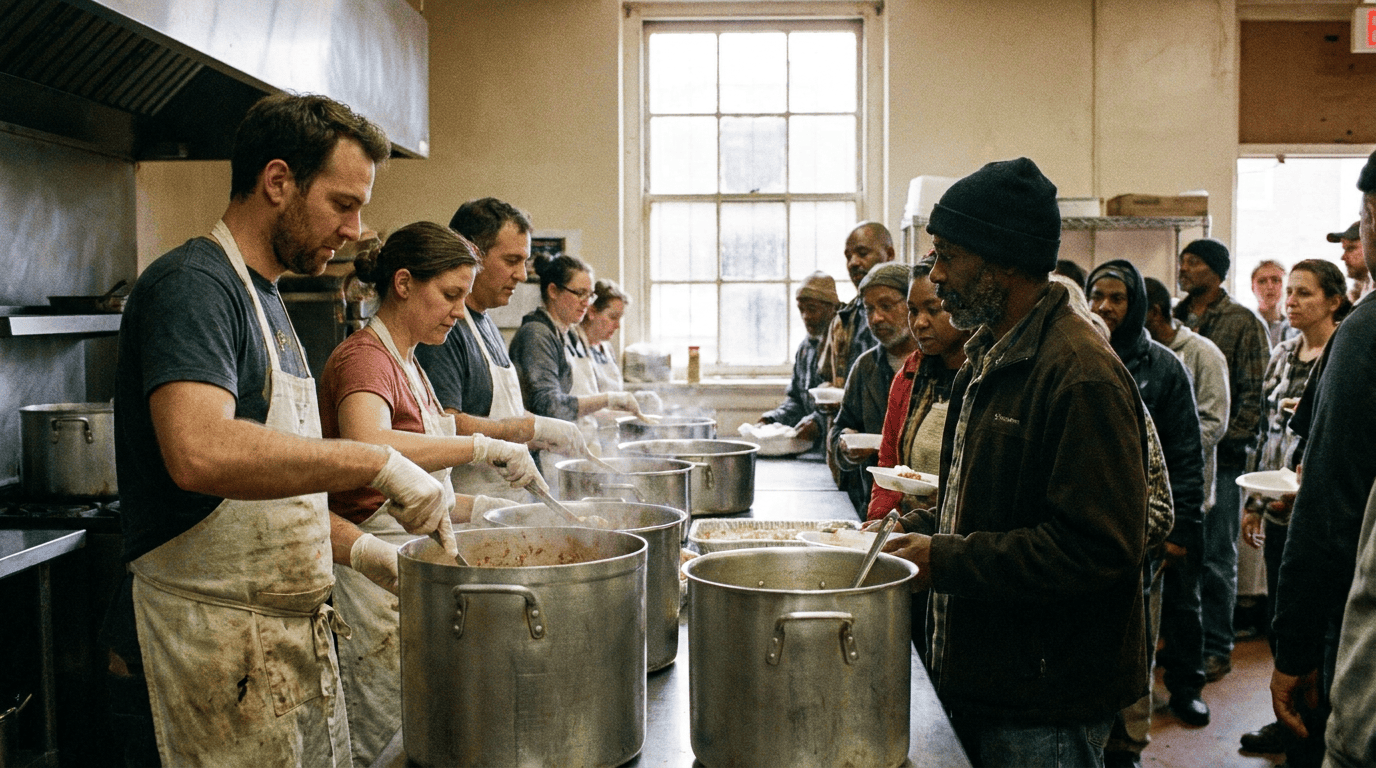
Seva is a Sanskrit word that means selfless service. It is service offered with love, humility, and a sincere desire to please God and uplift others. Seva can be sweeping a floor, cooking a meal, singing sacred mantras, caring for children, helping a neighbor, offering your skills, or simply listening to someone with compassion.
At The Bhakti House, we understand seva as a living practice of love. It is not about being “spiritual enough” or having everything figured out. It is about offering who we are, as we are, in a spirit of devotion.
Whether you are new to Bhakti Yoga, returning to spiritual life, or simply curious about how service can deepen your relationship with God, this guide is for you.
Seva means selfless service, but it is more than volunteering. Volunteering can be wonderful, generous, and meaningful. Seva includes all of that, but adds one sacred ingredient: devotional consciousness.
Seva is not only about what we do. It is about the heart we bring to what we do.
In Bhakti Yoga, we understand that everything belongs to God. Our bodies, minds, talents, time, resources, and relationships are gifts. Seva is the practice of offering those gifts back in love.
The Bhagavad Gita, one of the most beloved scriptures of Bhakti Yoga, teaches that our work can become worship when it is offered to the Divine. Krishna says:
“Whatever you do, whatever you eat, whatever you offer or give away, and whatever austerities you perform—do that as an offering to Me.”
—Bhagavad Gita 9.27
This verse gives us a very practical doorway into spiritual life. It means that ordinary actions can become sacred when they are offered with love.
Washing dishes can become seva.
Preparing food can become seva.
Working honestly can become seva.
Caring for a loved one can become seva.
Chanting the holy names can become seva.
Encouraging another soul can become seva.
The outer action may look simple, but the inner offering makes it spiritual.
Seva as Love in Action
Bhakti means devotion, or loving connection with God. Seva is bhakti expressed through action.
Love naturally wants to serve. When we love someone, we want to care for them, support them, bring them joy, and be present for them. In the same way, as our love for God awakens, we begin to ask, “How can I serve?”
This service is not forced. It grows naturally from the heart.
Sometimes, in the beginning, we may not feel deep devotion yet. That is okay. In Bhakti Yoga, we practice with sincerity, and the heart gradually softens. Just as a small flame becomes brighter when protected and nourished, devotion grows through regular acts of loving service.
Seva Is for Everyone
Seva does not depend on your background, culture, age, education, or religious history. You do not need to know Sanskrit. You do not need to be perfect. You do not need to live in an ashram or temple.
If you have a heart, you can practice seva.
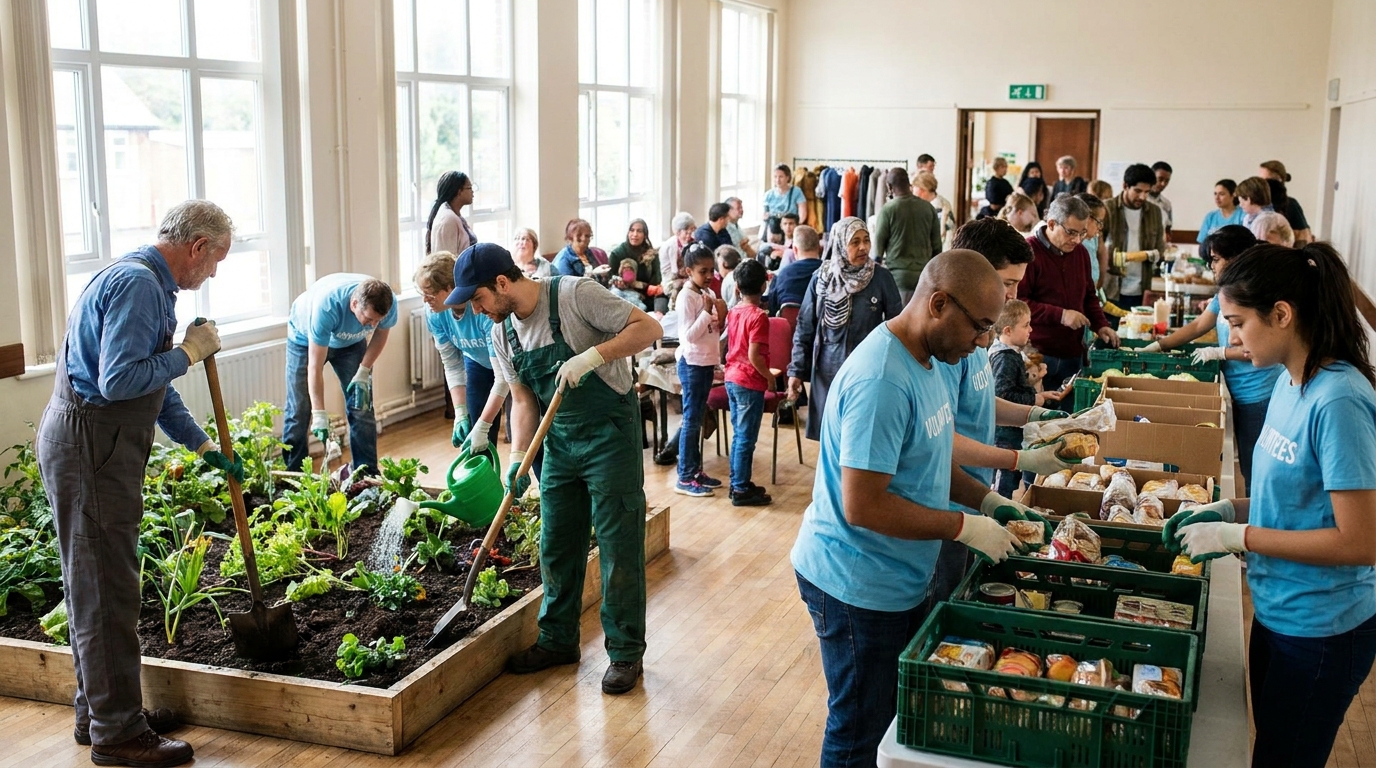
Everyone has something to offer. Some people offer music. Some offer cooking. Some offer cleaning. Some offer teaching, organizing, gardening, writing, caring, donating, praying, or simply showing up with kindness.
In Bhakti, no sincere offering is small.
Why Seva Matters in Bhakti Yoga
Bhakti Yoga is a practical path of love, chanting, prayer, service, and spiritual growth. Seva is one of its central practices because it helps us move from self-centered living to God-centered living.
Most of us are trained to ask, “What can I get?” Spiritual life gently teaches us to ask, “How can I give?”
This shift is deeply healing.
Seva Purifies the Heart
Bhakti scriptures often speak about the purification of the heart. This does not mean becoming cold, rigid, or judgmental. It means clearing away the coverings that keep us from loving fully—such as pride, envy, greed, selfishness, resentment, and fear.
Seva helps purify the heart because it invites us to act beyond our ego.
The ego wants recognition.
The soul wants connection.
The ego asks, “Will people notice me?”
The soul asks, “Will this please God?”
Of course, we may not begin with pure motives. Many of us serve with mixed feelings. We may want appreciation. We may compare ourselves. We may feel tired, insecure, or proud. This is not a reason to stop. It is a reason to keep practicing with honesty and prayer.
In Bhakti Yoga, growth is gradual. Through sincere seva, we begin to notice our inner patterns, offer them to God, and become more loving.
Seva Connects Us With God
In Bhakti, God is not understood as distant, abstract, or unreachable. God is personal, loving, and responsive. Different traditions and people may use different names for the Divine—Krishna, Rama, Vishnu, God, Allah, Yahweh, the Divine Mother, the Supreme, or simply the Beloved.
In the Bhakti tradition, names like Krishna mean “the all-attractive one,” and Rama means “the source of spiritual joy.” These names remind us that God is not merely a concept, but the loving center of all existence.
When we serve with devotion, we begin to feel that connection more deeply.
Seva becomes a conversation of the heart:
“Dear Lord, I may not have much, but I offer this.”
“Please use me.”
“Please help me serve with love.”
“Please let this action bring some light.”
This prayerful attitude transforms service into relationship.
Seva Builds Spiritual Community
Bhakti Yoga is deeply personal, but it is not meant to be lonely. Seva brings people together in a shared purpose.
When devotees cook together, chant together, clean together, welcome guests together, or organize spiritual gatherings together, community becomes sacred. We learn patience, cooperation, forgiveness, and humility.
A spiritual community is not a place where everyone is perfect. It is a place where people are trying to grow together.
Seva teaches us to honor each person’s contribution. The person leading a kirtan, the person cleaning the bathroom, the person cooking prasadam, and the person quietly praying in the corner are all valuable.
Prasadam is a Sanskrit word meaning “mercy” or “grace.” In Bhakti Yoga, it often refers to vegetarian food that has been lovingly prepared and offered to God before being shared. Serving prasadam is one of the sweetest forms of seva because it nourishes both body and soul.
The Spirit Behind Seva
The heart of seva is not performance. It is not about proving our goodness or spiritual advancement. True seva is humble, sincere, and loving.
The Bhagavad Gita teaches that action offered without selfish attachment can free us from bondage. This does not mean we stop caring. It means we care deeply, while remembering that the results ultimately belong to God.
Serving Without Expectation
One of the great challenges of seva is learning to serve without demanding a specific outcome.
We may hope people appreciate us. We may hope our service succeeds. We may hope things go according to plan. These hopes are natural. But seva invites us to release our tight grip on results.
We offer our best, and then we let God be God.
This does not mean being careless. Bhakti is not laziness disguised as surrender. We should serve thoughtfully, responsibly, and with excellence when possible. But after doing our part, we practice trust.
“Dear Lord, I have offered this with the best of my ability. Please accept it. Please guide the result.”
This simple prayer can bring great peace.
Humility in Service
Humility is not thinking we are worthless. Humility is seeing clearly: everything we have is a gift, and we are dependent on divine grace.
A humble person does not need to be the center. They are happy to serve the center.
In Bhakti Yoga, humility is considered essential because love grows in a humble heart. When we become too proud, service can become a way to control others or inflate ourselves. But when we remember that we are instruments of God’s compassion, seva becomes sweet.
The great Bhakti saint Chaitanya Mahaprabhu taught a famous verse:
“One should chant the holy name of the Lord in a humble state of mind, thinking oneself lower than a blade of grass, more tolerant than a tree, free from all sense of false prestige, and ready to offer respect to others.”
—Shikshashtakam 3
This teaching is often connected to chanting, but it also applies beautifully to seva. To serve well, we learn to be patient, respectful, and free from the hunger for prestige.
Seva as an Offering, Not an Identity
It is easy to turn service into an identity: “I am the one who does this.” “This is my role.” “People need me.” “I am more dedicated than others.”
These thoughts can quietly enter the heart. When they do, seva may become heavy or competitive.
The remedy is remembrance. We remember that the service belongs to God. The ability to serve is also God’s gift. Even the desire to serve is divine grace.
We can pray:
“Please let me serve without possessiveness.”
“Please protect me from pride.”
“Please help me be grateful for the chance to offer something.”
When seva remains an offering, it stays alive.
Please visit our website for more information on our articles: articles.
Different Forms of Seva

Seva can take countless forms. Some are visible and public. Others are quiet and hidden. In the eyes of Bhakti, what matters most is sincerity.
Temple and Community Seva
Many people first experience seva in a temple, yoga center, kirtan gathering, ashram, or spiritual community.
This may include:
- Welcoming guests
- Preparing or serving prasadam
- Cleaning the space
- Setting up chairs or cushions
- Playing instruments for kirtan
- Leading chanting
- Caring for sacred items
- Decorating the altar
- Organizing events
- Supporting children or families
- Helping with sound, media, or outreach
Kirtan means devotional chanting, often sung together in a call-and-response style. In Bhakti Yoga, chanting the names of God is both meditation and prayer. Helping create a space where others can chant is a beautiful form of seva.
Sometimes people think the “spiritual” service is only the visible or artistic part. But cleaning the floor may be just as sacred as singing on stage. In fact, hidden service can be especially purifying because it asks less from the ego.
Seva at Home
Home is one of the most important places to practice seva.
Caring for family, roommates, guests, pets, or neighbors can be devotional when done with love and remembrance of God. Cooking a meal, creating a peaceful environment, speaking kindly, forgiving quickly, and listening deeply can all become spiritual practices.
If you live alone, seva at home may include caring for your body and mind as gifts from God. Resting properly, keeping your space clean, cooking nourishing food, and maintaining a small prayer or meditation practice can also be offerings.
A simple home practice might look like this:
Before cooking, pause and pray: “May this food be prepared with love.”
Before eating, offer gratitude: “Dear Lord, thank You for this nourishment.”
Before beginning work, ask: “Please guide me to serve through my actions today.”
Before sleeping, reflect: “How did I love? Where can I grow?”
These small moments bring Bhakti into daily life.
Seva Through Work and Talents
Your profession can become seva when it is aligned with integrity, compassion, and offering.
A teacher can serve students.
A nurse can serve patients.
A parent can serve children.
An artist can serve beauty and truth.
A business owner can serve employees and customers with fairness.
A writer can serve through words that uplift.
A cook can serve through nourishment.
A gardener can serve the earth.
The key is consciousness.
We may ask: “How can my work become an offering? How can I reduce harm? How can I bring kindness, honesty, and devotion into what I already do?”
Not everyone can leave their responsibilities and live in a temple. Most people are called to spiritualize the life they already have. Bhakti Yoga is practical in this way. It helps us remember God in the middle of real life.
Seva Through Prayer and Chanting
Prayer is also seva.
When we pray for someone’s healing, guidance, protection, or spiritual awakening, we are serving them with our heart. When we chant sacred names and offer the sound for the benefit of all beings, that too is seva.
The maha-mantra is one of the most well-known mantras in the Bhakti tradition:
Hare Krishna, Hare Krishna, Krishna Krishna, Hare Hare
Hare Rama, Hare Rama, Rama Rama, Hare Hare
A mantra is a sacred sound vibration that helps focus and purify the mind. “Hare” calls upon the divine energy of God. “Krishna” and “Rama” are names of God. This mantra is a prayer meaning, in essence: “O Lord, O divine energy of the Lord, please engage me in Your loving service.”
Even chanting one round, one song, or one sincere prayer can be seva when offered with love.
How to Practice Seva in Daily Life
Seva becomes transformative when it moves from an occasional activity to a way of living. We do not need to do everything at once. We can begin gently, sincerely, and practically.
Start With What Is in Front of You
The first step in seva is often very simple: serve where you are.
Look around your life. Who needs care? What space needs attention? What community needs support? What skill has God placed in your hands?
Sometimes we imagine that real seva must be dramatic or far away. But often, the service meant for us is close by.
A sink full of dishes.
A friend who needs encouragement.
A child who needs patience.
A temple that needs help cleaning.
A neighbor who feels lonely.
A spiritual community that needs volunteers.
A heart that needs to pray.
Begin there.
Offer Before You Act
A powerful way to turn action into seva is to pause before beginning and make a simple offering.
You might say:
“Dear God, please accept this service.”
“May this be for Your pleasure.”
“Please help me serve without selfishness.”
“May this benefit others.”
“Please guide my hands, words, and heart.”
This prayer may take only five seconds, but it changes the consciousness of the action.
In Bhakti, intention matters. Offering before we act reminds us that we are not alone. We are serving in relationship with the Divine.
Practice Consistency Over Intensity
Sometimes we begin with enthusiasm and try to do too much. Then we become tired, discouraged, or resentful.
Seva is not meant to burn us out. It is meant to awaken love.
It is better to offer a small, steady service with a peaceful heart than to overextend ourselves and become bitter. Spiritual growth is often built through consistency.
You might commit to:
- One hour of community service each week
- Helping prepare prasadam once a month
- Daily prayer for others
- Cleaning a shared space with love
- Supporting a kirtan gathering
- Offering part of your income to a sacred cause
- Calling someone who needs kindness
- Chanting a little every morning
Small offerings, repeated with sincerity, become powerful.
Serve With Others
Serving with others can deepen joy and accountability. It also teaches us to cooperate, which is a major part of spiritual growth.
When we serve in community, we may encounter differences in personality, communication style, and expectation. This can be challenging. But these challenges are also part of the purification.
Seva gives us a mirror. We see where we are patient and where we are not. We see where we are generous and where we are guarded. We see where we want control and where we can surrender.
If difficulties arise, we can practice honest communication, forgiveness, and humility. The goal is not only to complete the task. The goal is to become more loving while doing it.
Common Challenges in Seva
Because seva involves real people, real time, and real effort, challenges naturally come. These challenges do not mean we are failing. They are opportunities for deeper practice.
Burnout and Overgiving
Many sincere people struggle with overgiving. They say yes to everything, ignore their limits, and eventually feel exhausted.
Bhakti Yoga teaches surrender, but surrender is not the same as neglecting the body, mind, or emotional health. The body is also a gift from God. Caring for it allows us to serve longer and better.
Healthy seva includes rest, prayer, nourishment, and honest boundaries.
If you feel burnt out, pause and ask:
“Am I serving from love or from fear?”
“Am I afraid to disappoint people?”
“Have I forgotten to receive spiritual nourishment?”
“Do I need guidance from a trusted mentor?”
“Can I simplify my service for a season?”
Sometimes the most devotional thing is to serve in a sustainable way.
Wanting Recognition
It is natural to want to feel seen and appreciated. We should not shame ourselves for this. But if recognition becomes the main reason we serve, our heart becomes restless.
When you notice the desire for praise, gently bring it into prayer:
“Dear Lord, I want to be appreciated, but I also want to love You more purely. Please help me offer this to You.”
Over time, we may discover a deeper joy: the joy of knowing that God sees every sincere effort, even when no one else does.
The Srimad Bhagavatam, a treasured Bhakti scripture, teaches that devotion offered to the Supreme brings deep satisfaction to the self. Real fulfillment comes when the soul reconnects with its source.
Human appreciation is sweet, but divine connection nourishes us at the root.
Comparison With Others
In spiritual communities, comparison can appear quietly.
“They are doing more than me.”
“They are better at chanting.”
“They know more scripture.”
“They are more recognized.”
“My service does not matter.”
These thoughts can discourage us or make us proud. Either way, comparison pulls us away from love.
Bhakti reminds us that each soul has a unique relationship with God. Your offering does not need to look like someone else’s. A single flower offered with love can be more meaningful than a grand display offered with pride.
In the Bhagavad Gita, Krishna says:
“If one offers Me with love and devotion a leaf, a flower, a fruit, or water, I will accept it.”
—Bhagavad Gita 9.26
This verse is very dear to devotees. It shows that God is not hungry for our possessions. God is pleased by love.
Serving When the Heart Feels Dry
There may be times when seva feels mechanical. We may not feel inspired. We may wonder if our service matters.
This is part of the path.
Love matures through seasons. Sometimes devotion feels bright and joyful. Sometimes it feels quiet and hidden. During dry times, we can simplify and return to the basics: chanting, prayer, hearing wisdom, spending time with sincere people, and offering small acts of service.
We can pray honestly:
“God, my heart feels dry, but I still want to come closer to You. Please accept this small offering.”
Sincerity in a dry season can be very precious.
Seva and the Path of Inner Transformation
Seva changes the world around us, but it also changes the world within us.
Through service, we learn to see others not as objects for our use, but as souls worthy of respect. We learn that our time is sacred. We learn that love is not only a feeling, but a choice and practice.
From Ego-Centered to God-Centered
Much of ordinary life revolves around the ego: my comfort, my success, my image, my control. Seva gently redirects our energy toward God and others.
This does not erase our individuality. In Bhakti, the soul’s individuality is honored. We do not become nothing. We become more truly ourselves—servants of love.
The phrase “servant of God” may sound heavy to some people, especially if they have experienced controlling religion. But in Bhakti, divine service is not oppression. It is freedom. It means living in harmony with our deepest nature.
The soul is naturally loving. Seva lets that love flow.
Seeing God in Others
A mature seva practice helps us see the sacred presence of God in every living being.
This does not mean we lose discernment or allow harmful behavior. Healthy boundaries are important. But it does mean we try to honor the spiritual dignity of each person.
When serving food, we can remember: “This person is beloved by God.”
When cleaning, we can think: “May this space support someone’s spiritual journey.”
When listening, we can feel: “This soul matters.”
When forgiving, we can pray: “May love be stronger than my resentment.”
This vision gradually softens the heart.
Seva as a Lifelong Practice
Seva is not a beginner’s practice that we outgrow. It is the eternal nature of the soul.
Bhakti teachings explain that the soul’s deepest identity is to love and serve God. In this life, we practice in small ways. Every offering prepares the heart for deeper devotion.
Even advanced saints continue to serve. In fact, the more spiritually mature a person becomes, the more humble and serviceful they usually become.
The path of Bhakti is not about becoming superior. It is about becoming available to love.
Practical Seva Ideas for Beginners
If you feel inspired but unsure where to start, begin simply. Ask God for guidance, and choose one step that feels honest and sustainable.
Personal Seva Practices
You can begin with daily offerings at home:
- Offer your food with gratitude before eating
- Chant a mantra for five or ten minutes
- Pray for someone in need
- Keep a small altar or sacred space clean
- Read a verse from the Bhagavad Gita or another wisdom text
- Offer your workday to God before beginning
- Speak one encouraging word to someone each day
These simple practices help train the heart in devotion.
Community Seva Practices
If you are connected to a Bhakti community, temple, yoga center, or spiritual gathering, you can ask how to help.
You might offer to:
- Clean before or after gatherings
- Help cook or serve prasadam
- Welcome newcomers
- Support kirtan events
- Arrange flowers
- Assist with children’s programs
- Help with social media or communications
- Donate supplies
- Drive someone who needs transportation
- Set up or break down event spaces
One of the most loving forms of seva is helping others feel welcome. Many people come to spiritual spaces carrying uncertainty or pain. A kind smile, clear direction, and gentle presence can open the door to healing.
Seva Beyond the Temple
Seva is not limited to spiritual buildings. The whole world can become a place of offering.
You can serve by:
- Feeding people who are hungry
- Supporting ecological care
- Visiting the lonely
- Helping elders
- Mentoring youth
- Supporting ethical community projects
- Practicing compassion in your workplace
- Offering your talents to uplift others
- Giving in charity with humility
- Being a peaceful presence in conflict
When connected to remembrance of God, these actions become part of Bhakti Yoga.
How to Keep Seva Spiritually Nourishing
For seva to remain joyful and sustainable, it needs to be connected to spiritual nourishment. Service without remembrance can become dry. Service with chanting, prayer, and sacred wisdom becomes a living stream.
Chant Regularly
Chanting helps cleanse the mind and reconnect the heart. Even a few minutes of mantra meditation can change the quality of our service.
Before serving, chant softly or inwardly. During simple tasks, repeat the holy names. After serving, offer gratitude.
The holy names are like spiritual food for the heart.
Hear Sacred Wisdom
Reading or listening to Bhakti teachings keeps our intention clear. The Bhagavad Gita, Srimad Bhagavatam, and the lives of saints help us remember why we serve.
Scripture is not meant only for scholars. It is a guidebook for living with devotion. Even one verse, reflected on deeply, can shape our day.
Stay Connected to Sincere Devotees
Spiritual friendship is a great blessing. We need people who remind us of God, encourage our growth, and help us stay humble.
Satsang is a Sanskrit word meaning “association with truth” or “company of spiritually minded people.” Through satsang, our faith becomes stronger.
Serve with those who inspire sincerity, compassion, and steadiness. And when possible, become that kind of person for someone else.
Remember That God Accepts the Heart
At the end of the day, seva is not about perfection. It is about offering the heart.
Maybe your cooking was simple.
Maybe your chanting was distracted.
Maybe your service was awkward.
Maybe you made mistakes.
Maybe you are still learning.
Still, offer it.
Krishna accepts a leaf, a flower, a fruit, or water when offered with love. This means He also accepts our imperfect but sincere attempts to serve.
Seva as a Doorway to Divine Love
Seva is one of the most beautiful practices in Bhakti Yoga because it brings devotion into everyday life. It teaches us that love is not only something we feel during prayer or chanting. Love can move through our hands, words, work, meals, homes, and communities.
Through seva, we begin to live the prayer: “Please let my life be an offering.”
We do not need to wait until we are pure to begin. We begin, and the practice purifies us.
We do not need to wait until we know everything. We serve, and wisdom grows.
We do not need to wait until our heart is full of devotion. We offer what little we have, and devotion awakens.
Seva is practical, humble, and deeply sacred. It welcomes the whole person. It includes our talents and our limitations, our strength and our tenderness, our longing and our questions.
And it reminds us that every soul is invited into a loving relationship with God.
Wherever you are on your journey, you are welcome. Take one sincere step. Offer one prayer. Chant one mantra. Serve one person. Cook one meal with love. Help in one small way. God sees the heart, and no sincere offering is ever lost.
FAQs
What is Seva?
Seva is a Sanskrit word that means “selfless service” or “volunteer work.” It is a concept deeply rooted in Hinduism, Sikhism, and other Indian religions, emphasizing the importance of serving others without expecting anything in return.
What are the principles of Seva?
The principles of Seva include compassion, humility, and the belief in the interconnectedness of all beings. It is about performing acts of kindness and service with a sense of duty and devotion, without seeking personal gain or recognition.
How is Seva practiced?
Seva is practiced through various forms of community service, such as volunteering at shelters, serving meals to the homeless, participating in environmental clean-up efforts, and providing assistance to those in need. It can also involve offering one’s time and skills to support charitable organizations and humanitarian causes.
What are the benefits of practicing Seva?
Practicing Seva not only benefits the recipients of the service, but also brings a sense of fulfillment and purpose to the individual performing the acts of selfless service. It fosters a spirit of empathy, gratitude, and unity within the community.
How can one get involved in Seva?
One can get involved in Seva by seeking out local volunteer opportunities, joining community service organizations, or participating in organized service projects. Additionally, individuals can incorporate the principles of Seva into their daily lives by performing small acts of kindness and generosity towards others.

