

Daily prayer is one of the simplest and most powerful spiritual practices a person can begin. It does not require wealth, scholarship, a perfect home, or a perfect life. It only asks for sincerity.
In the Bhakti Yoga tradition, prayer is the heart speaking to God. Sometimes it is spoken out loud. Sometimes it is whispered. Sometimes it is sung. Sometimes it is offered silently through tears, gratitude, or a deep breath before beginning the day.
Bhakti means “devotion” or “loving service.” Yoga means “connection” or “union.” So Bhakti Yoga is the path of reconnecting with the Divine through love. Daily prayer is one of the most accessible ways to walk that path.
Whether someone is new to spirituality, returning after a long time, or has prayed for many years, prayer can become a steady companion. It helps us remember that we are not alone. It softens the heart. It brings clarity. It turns ordinary moments into sacred moments.
Prayer is not only about asking for things. It is about relationship. It is a daily invitation to come closer to God.
What Is Daily Prayer in Bhakti Yoga?
Daily prayer in Bhakti Yoga is a loving offering of the heart. It may include speaking to God, chanting sacred names, reading scripture, offering gratitude, asking for guidance, or serving others with a prayerful mood.
The Sanskrit word bhakti comes from a root that means to share, to participate, or to love. In practical terms, Bhakti Yoga teaches us that spiritual life is not separate from daily life. Cooking, working, parenting, studying, resting, and serving can all become part of our devotion when we offer them with love.
Prayer as a Relationship, Not a Performance
Many people feel unsure about prayer because they think they must “do it right.” They may wonder:
“Are my words good enough?”
“Do I need to know Sanskrit?”
“Will God hear me if I am struggling?”
Bhakti Yoga gently answers: sincerity is more important than perfection.
In the Bhagavad Gita, one of the foundational texts of Bhakti Yoga, Krishna says:
“Whoever offers Me with love and devotion a leaf, a flower, a fruit, or water, I accept it.”
Bhagavad Gita 9.26
This verse is deeply comforting. Krishna, a name of God meaning “the all-attractive one,” does not ask for grand offerings. He asks for love and devotion. A simple prayer, offered honestly, can be spiritually powerful.
Prayer as Remembrance
In Sanskrit, smaranam means “remembrance.” Prayer helps us remember God throughout the day. It reminds us of who we truly are: not only bodies, jobs, roles, or worries, but eternal souls meant for loving relationship with the Divine.
This remembrance is not meant to make us escape life. It helps us live more wisely and compassionately within life.
When we pray daily, we begin to carry a sacred awareness into our relationships, decisions, and responsibilities. We may still face stress, conflict, and uncertainty, but we face them with a deeper anchor.
Why Daily Prayer Has Spiritual Power
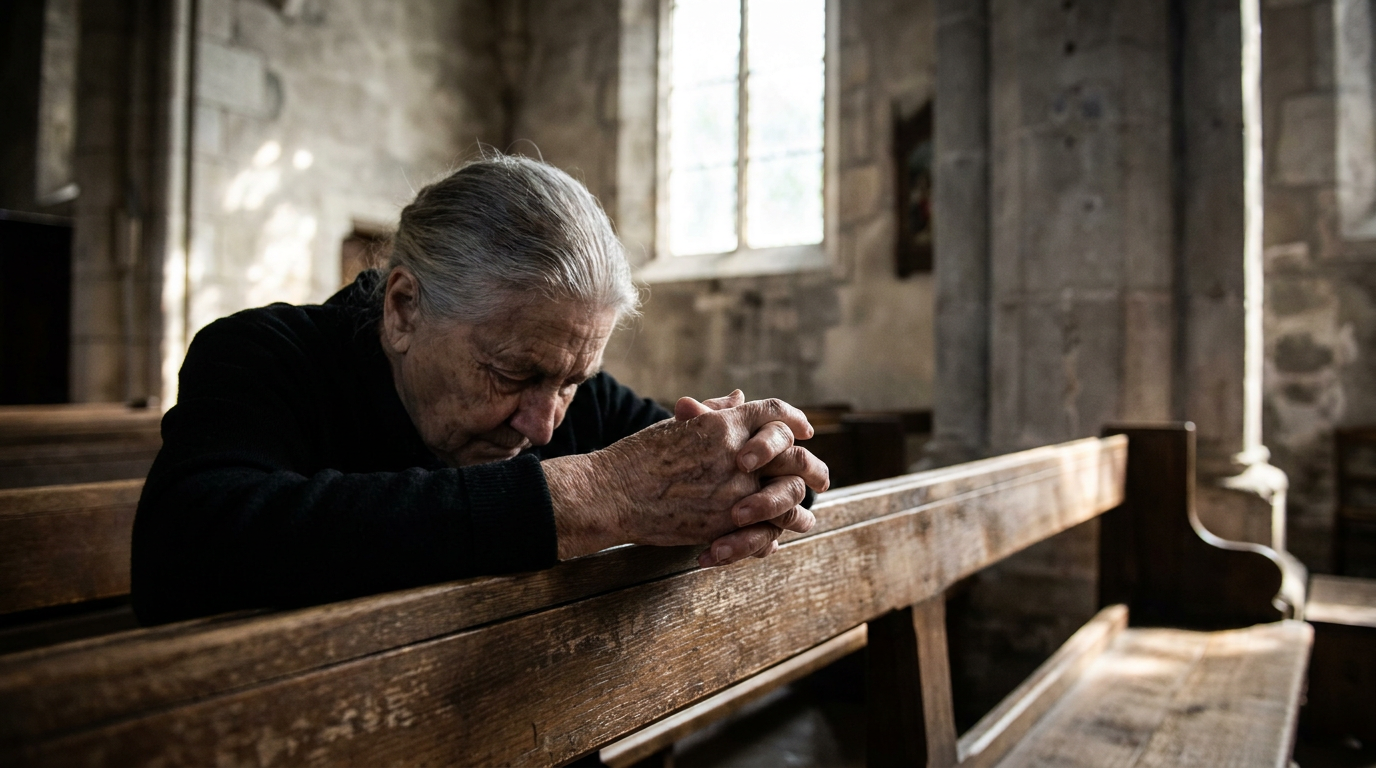
Daily prayer has power because it slowly reshapes the heart. It turns our attention away from constant distraction and toward what is eternal, loving, and true.
In Bhakti Yoga, spiritual growth often happens gently, like watering a seed. One prayer may seem small, but repeated with faith, it nourishes the soul.
Prayer Purifies the Heart
The heart can become covered by fear, envy, anger, pride, grief, and anxiety. Bhakti scriptures explain that the soul is naturally joyful and loving, but our awareness becomes clouded by material conditioning.
Prayer is one way to cleanse that inner mirror.
Sri Chaitanya Mahaprabhu, a great teacher of Bhakti Yoga who shared the practice of chanting God’s names, described the chanting of the holy names as cleansing the mirror of the heart. The same principle applies to sincere prayer. When we turn toward God regularly, our inner life becomes clearer.
We begin to notice unhealthy patterns. We become more willing to forgive. We become more humble. We become more grateful.
This does not mean we become perfect overnight. Spiritual life is a journey. But daily prayer keeps us walking.
Prayer Gives Strength in Difficulty
Everyone faces pain. No person is exempt from loss, disappointment, illness, loneliness, or uncertainty. Prayer does not always remove difficulty immediately, but it gives us a place to bring our difficulty.
A sincere prayer might be:
“Dear Lord, I do not know what to do. Please guide me.”
“Please give me strength to act with love.”
“Please help me accept what I cannot control.”
“Please keep me close to You.”
Such prayers are powerful because they open the heart to divine support. They remind us that we do not have to carry everything alone.
In the Bhagavad Gita, Krishna encourages us to take shelter in Him. Shelter does not mean weakness. It means we recognize our dependence on a loving source greater than ourselves.
Prayer Awakens Gratitude
Gratitude is one of the most healing fruits of daily prayer. When we pray, we begin to notice blessings that we may have overlooked: food, breath, friendship, sunlight, forgiveness, a chance to try again.
In Bhakti Yoga, gratitude naturally leads to seva, which means “service.” When the heart feels thankful, it wants to give. It wants to help. It wants to serve God and others.
This is one reason prayer is so practical. It does not end with words. True prayer moves through our hands, speech, choices, and relationships.
Check out our latest posts at https://thebhaktihouse.org/blog.
How to Build a Daily Prayer Practice
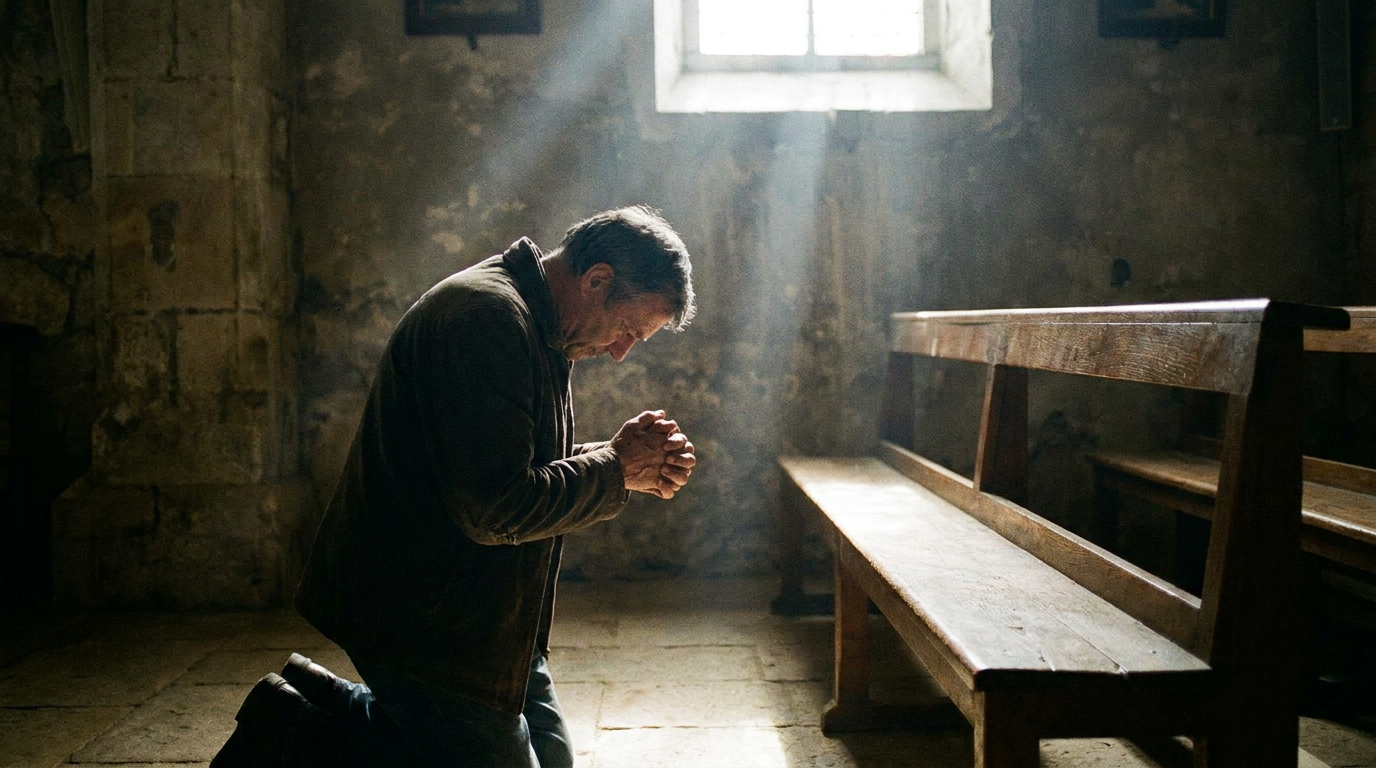
A daily prayer practice does not need to be complicated. It is better to begin simply and steadily than to create an ideal routine that becomes overwhelming.
Bhakti Yoga welcomes sincere steps. Even five minutes of heartfelt prayer can begin to transform the day.
Begin With a Sacred Pause
Choose a time each day when you can pause. Morning is often helpful because it sets the tone for the day, but evening prayer is also beautiful. Some people pray during lunch, before driving, after work, or before sleep.
You might begin by sitting comfortably, closing your eyes, and taking a few calm breaths. Then simply acknowledge God’s presence.
You can say:
“Dear Lord, I am here.”
“Please help me remember You today.”
“Thank You for this life and this moment.”
This small pause creates space between the noise of the world and the voice of the soul.
Speak Honestly
Prayer does not have to sound poetic. God already knows the heart. We can speak honestly and respectfully.
If you feel grateful, offer gratitude.
If you feel confused, ask for guidance.
If you feel regret, ask for forgiveness and strength to grow.
If you feel joyful, share that joy.
If you feel numb, you can even pray, “Please help me want to pray.”
Honesty is a doorway to intimacy with the Divine. In Bhakti, we are not trying to impress God. We are trying to come closer.
Include Sacred Names
One of the most cherished practices in Bhakti Yoga is chanting the names of God. This is called kirtan when sung together and japa when repeated softly or personally, often on prayer beads.
The maha-mantra, or “great mantra,” is:
Hare Krishna Hare Krishna
Krishna Krishna Hare Hare
Hare Rama Hare Rama
Rama Rama Hare Hare
A mantra is a sacred sound vibration that helps focus and purify the mind. Hare addresses the divine energy of the Lord. Krishna means “the all-attractive one.” Rama means “the source of joy.”
Chanting is a form of prayer because it calls out to God with the heart. Even if someone does not fully understand everything at first, chanting with sincerity can bring peace, clarity, and devotion.
Read a Small Passage of Scripture
Daily prayer can be deepened by reading a verse from Bhakti scripture, such as the Bhagavad Gita or Srimad Bhagavatam. The Srimad Bhagavatam is a sacred text filled with stories, teachings, and prayers that glorify God and the path of devotion.
You do not need to read many pages. One verse, read slowly, can nourish the heart.
After reading, ask:
“What is God teaching me here?”
“How can I live this today?”
“What quality is this verse inviting me to develop?”
Scripture becomes practical when it enters our choices.
The Many Forms of Prayer
Prayer is wonderfully broad. Different hearts connect in different ways. Bhakti Yoga honors many expressions of sincere devotion.
Some people pray through words. Some through music. Some through service. Some through silent remembrance. All can be meaningful when offered with love.
Spoken Prayer
Spoken prayer is direct and personal. It may be formal or spontaneous.
A simple spoken prayer might be:
“Dear Krishna, dear Lord, please guide my thoughts, words, and actions today. Please help me serve with humility. Please protect me from selfishness and help me remember You.”
Speaking prayer aloud can help the mind focus. It also makes our intention clear.
Chanting as Prayer
Chanting sacred names is a central practice of Bhakti Yoga because God and God’s names are understood to be spiritually connected. When we chant, we are not merely repeating ordinary sound. We are inviting divine presence into our awareness.
Chanting can be done alone or with others. In community kirtan, voices come together, often with instruments, creating a joyful atmosphere of devotion. Many people find that even when their minds are restless, chanting helps them feel peaceful and connected.
Silent Prayer
Silent prayer is especially helpful when words feel too heavy. Sometimes the heart simply sits before God.
This may look like resting in stillness, breathing gently, and inwardly offering oneself:
“I belong to You.”
“Please be with me.”
“Let me serve.”
Silent prayer teaches trust. It reminds us that God is not far away. The Divine is present even in quietness.
Prayer Through Service
In Bhakti Yoga, service is prayer in action. This is called seva, loving service offered for the pleasure of God and the welfare of others.
Service may be cooking a meal, listening with compassion, cleaning a sacred space, helping a neighbor, caring for a child, supporting a spiritual community, or offering one’s professional skills with integrity.
When service is offered prayerfully, even ordinary actions become sacred.
Before beginning a task, we can pray:
“May this be pleasing to You.”
“May this help someone.”
“May I serve without pride.”
This transforms the heart of work.
Daily Prayer and Emotional Healing
Many people come to prayer not because life is easy, but because life has become too much to carry alone. Daily prayer can become a gentle place of healing.
It allows us to bring our whole self before God: our hope, sadness, fear, shame, longing, and love.
Bringing Pain to God
Sometimes we think we must be calm before we pray. But Bhakti scriptures are full of prayers offered from intense emotion. Devotees cry out in separation, surrender, gratitude, and longing.
God can receive our pain. We do not need to hide it.
A healing prayer might be:
“Dear Lord, this hurts. I do not understand it. Please help me feel Your presence. Please teach me how to grow through this without becoming hard-hearted.”
This kind of prayer does not deny suffering. It places suffering in the care of the Divine.
Learning to Forgive
Forgiveness is often difficult. Daily prayer can help us begin the process without forcing it.
We can pray:
“Please help me release bitterness.”
“Please protect me from hatred.”
“Please help me set healthy boundaries while keeping my heart connected to You.”
Bhakti Yoga does not ask us to pretend harm did not happen. Rather, it teaches us to seek purification of the heart so we are not imprisoned by resentment.
Forgiveness may take time. Prayer gives us strength for that journey.
Finding Peace in Uncertainty
Modern life often creates anxiety because so much feels uncertain. Daily prayer does not give us control over everything, but it helps us place our trust in God’s wisdom.
The Bhagavad Gita teaches that we have a right to perform our duties, but we are not the ultimate controllers of the results. This is a deeply practical teaching. We do our best, offer our effort, and pray for guidance.
Such prayer can bring peace because it shifts us from control to surrender.
Surrender in Bhakti Yoga does not mean giving up responsibility. It means offering our responsibility to God with humility and trust.
Prayer, Humility, and Spiritual Growth
Daily prayer naturally cultivates humility. We begin to see that we are dependent on grace. Every breath, every opportunity, every moment of clarity is a gift.
Humility is not self-hatred. It is truthful vision. It allows us to recognize our limitations while also honoring our spiritual worth as beloved souls.
Asking for Guidance
One of the most practical prayers is the prayer for guidance.
Before making decisions, we can pause and ask:
“Will this help me grow closer to God?”
“Will this increase love, truthfulness, and compassion?”
“Is this action aligned with service?”
When we pray this way regularly, we become more sensitive to conscience and divine direction.
Guidance may come through scripture, spiritual teachers, community, inner clarity, or circumstances. Bhakti Yoga encourages us to remain sincere and discerning.
Becoming More Compassionate
Prayer should make us kinder. If our prayer life is genuine, it gradually softens how we treat others.
We begin to see every living being as part of God. In Sanskrit, atma means “soul.” Bhakti teaches that every person, and indeed every living being, is an atma, a spiritual soul worthy of respect.
Daily prayer can include others:
“Please bless my family.”
“Please comfort those who are suffering.”
“Please help me see others with compassion.”
“Please let my life bring some good into the world.”
Such prayers expand the heart beyond self-centered concerns.
Offering the Results
Bhakti Yoga teaches the practice of offering. We offer food, time, work, words, and intentions. We also offer the results of our efforts.
This can be especially powerful in daily life. Before work, study, or service, we can pray:
“Whatever comes from this effort, I offer it to You.”
This prayer frees us from obsessive anxiety about success and failure. It allows us to work sincerely while remembering that our deepest identity is not measured by outcomes.
Creating a Sacred Prayer Space at Home
A prayer space can support daily practice. It does not have to be large or elaborate. Even a small corner can become sacred when used with devotion.
The purpose of a prayer space is to remind the heart: “This is a place where I turn toward God.”
Keep It Simple and Clean
You might include a clean cloth, a candle, flowers, sacred images, a scripture, prayer beads, or a journal. In Bhakti homes, many people keep an altar with pictures of Krishna, Radha, Lord Rama, Sri Chaitanya Mahaprabhu, or beloved spiritual teachers.
If these forms are new to you, simply understand them as sacred reminders of God’s presence and loving qualities.
Cleanliness helps the mind feel peaceful. Offering a flower, lighting incense, or placing fresh water can become acts of devotion.
Pray With Your Family or Community
Prayer becomes especially powerful when shared. Families can pray together before meals, before bedtime, or during difficult times. Friends can gather for kirtan, scripture discussion, or simple heartfelt prayer.
Community is important in Bhakti Yoga. The Sanskrit word satsanga means “association with truth” or “spiritual company.” When we spend time with people who encourage our spiritual growth, our prayer life becomes stronger.
Even if you are beginning alone, you are not truly alone. Many sincere seekers around the world are also trying to remember God, chant, pray, and serve.
Use a Prayer Journal
A prayer journal can help you notice your inner journey. You may write prayers, gratitude lists, questions, realizations, or verses that touch your heart.
Over time, you may see how God has guided you in ways you did not recognize at first.
A journal can also help when the mind feels scattered. Writing slows us down and brings honesty to the surface.
Common Obstacles in Daily Prayer
Every spiritual practitioner faces obstacles. This is normal. The key is not to become discouraged.
Daily prayer is a relationship, and relationships grow through patience, commitment, and grace.
“My Mind Wanders”
A wandering mind is not a sign of failure. It is part of being human. When the mind wanders, gently bring it back.
If you are chanting, return to the sound of the mantra.
If you are praying, return to one simple phrase:
“Please help me remember You.”
Each return is itself an act of devotion.
“I Don’t Feel Anything”
Some days prayer feels sweet. Other days it may feel dry. Bhakti Yoga encourages steadiness beyond temporary feelings.
A farmer waters the seed even before seeing the fruit. In the same way, we continue prayer because we trust the process of spiritual nourishment.
Dry periods can deepen humility. They teach us to seek God, not merely pleasant emotions.
“I Feel Unworthy”
Many people feel unworthy of God’s love. But Bhakti scriptures repeatedly reveal that divine grace is greater than our shortcomings.
We may come with mistakes, doubts, and wounds. Still, we can pray.
In fact, feeling our need for grace can become the beginning of real devotion. God is not waiting for us to become perfect before we turn toward Him. He is inviting us now.
“I Am Too Busy”
Busy life is one of the greatest challenges to daily prayer. But prayer can begin in small ways.
Pray before checking your phone.
Chant while walking.
Offer your food before eating.
Pause for one minute before a meeting.
Say a prayer in the car.
End the day with gratitude.
Small, sincere practices create spiritual rhythm. Over time, they can grow naturally.
A Simple Daily Prayer Routine
If you are wondering where to begin, here is a gentle Bhakti-inspired routine. You can adapt it according to your background and schedule.
Morning Prayer
Begin the day with a few minutes of remembrance.
Sit quietly and pray:
“Dear Lord, thank You for this day. Please guide me. Please help me speak kindly, work honestly, and remember You. May my life be an offering of love.”
Then chant the maha-mantra or another sacred name of God for a few minutes.
Even one round of prayer beads, or a few heartfelt repetitions, can change the atmosphere of the morning.
Prayer Before Meals
In Bhakti Yoga, food can be offered to God before we eat. This practice is connected to prasadam, which means “mercy” or “grace.” When food is prepared and offered with love, it becomes spiritually uplifting.
A simple meal prayer might be:
“Dear Lord, thank You for this food. Please accept this offering. May it nourish me so I can serve You and others.”
This practice brings gratitude and sacredness into daily nourishment.
Midday Pause
Sometime during the day, pause for one minute.
Take a breath and remember:
“I am a soul. God is with me. Let me act with love.”
This brief prayer can help reset the heart.
Evening Reflection
At the end of the day, reflect gently.
Ask:
“Where did I remember God today?”
“Where did I forget?”
“Whom did I serve?”
“Where can I grow tomorrow?”
Then pray:
“Thank You for carrying me through this day. Please forgive my mistakes. Please help me learn and begin again.”
This kind of reflection brings spiritual growth without harsh self-judgment.
The Fruit of Daily Prayer
The power of daily prayer is not always dramatic from the outside. Often, its fruit is quiet and deep.
We may become more patient.
We may speak more gently.
We may recover more quickly from anger.
We may feel less alone.
We may become more grateful.
We may desire to serve.
We may begin to love God not only in moments of need, but as the center of our life.
In Bhakti Yoga, the highest fruit of prayer is prema, pure love of God. Prema is not ordinary emotion. It is the soul’s natural love fully awakened. Daily prayer waters that possibility.
Every sincere prayer matters. No prayer offered with humility is wasted.
Everyone Can Begin Today
Daily prayer is not reserved for monks, saints, scholars, or people who have their lives perfectly together. It is for all of us.
It is for the tired parent, the student, the worker, the seeker, the skeptic, the grieving heart, the grateful heart, and the person who does not know where to begin.
You can begin with one sentence.
You can begin with one mantra.
You can begin with one moment of gratitude.
You can begin by serving someone with love.
God receives sincerity. Bhakti Yoga teaches that the path of devotion is walked step by step, prayer by prayer, offering by offering.
May your daily prayer become a shelter, a conversation, a cleansing river, and a bridge back to divine love. Wherever you are, whatever your background, you are welcome. Take one sincere step toward God today, and trust that grace will meet you there.
FAQs
What is daily prayer?
Daily prayer is the practice of setting aside time each day to communicate with a higher power, express gratitude, seek guidance, and reflect on one’s beliefs and values.
Why is daily prayer important?
Daily prayer is important for many people as it provides a sense of connection to a higher power, offers comfort and support during difficult times, and helps to cultivate a sense of inner peace and mindfulness.
How long should daily prayer last?
The length of daily prayer can vary depending on individual preferences and beliefs. Some people may spend just a few minutes in prayer each day, while others may dedicate longer periods of time to their practice.
What are some common forms of daily prayer?
Common forms of daily prayer include reciting traditional prayers, engaging in meditation or contemplative practices, journaling, and using prayer beads or other ritual objects.
Are there specific times of day for daily prayer?
Many religious traditions have specific times of day for prayer, such as morning, noon, and evening. However, individuals are free to choose the timing of their daily prayer based on their own schedules and preferences.

