
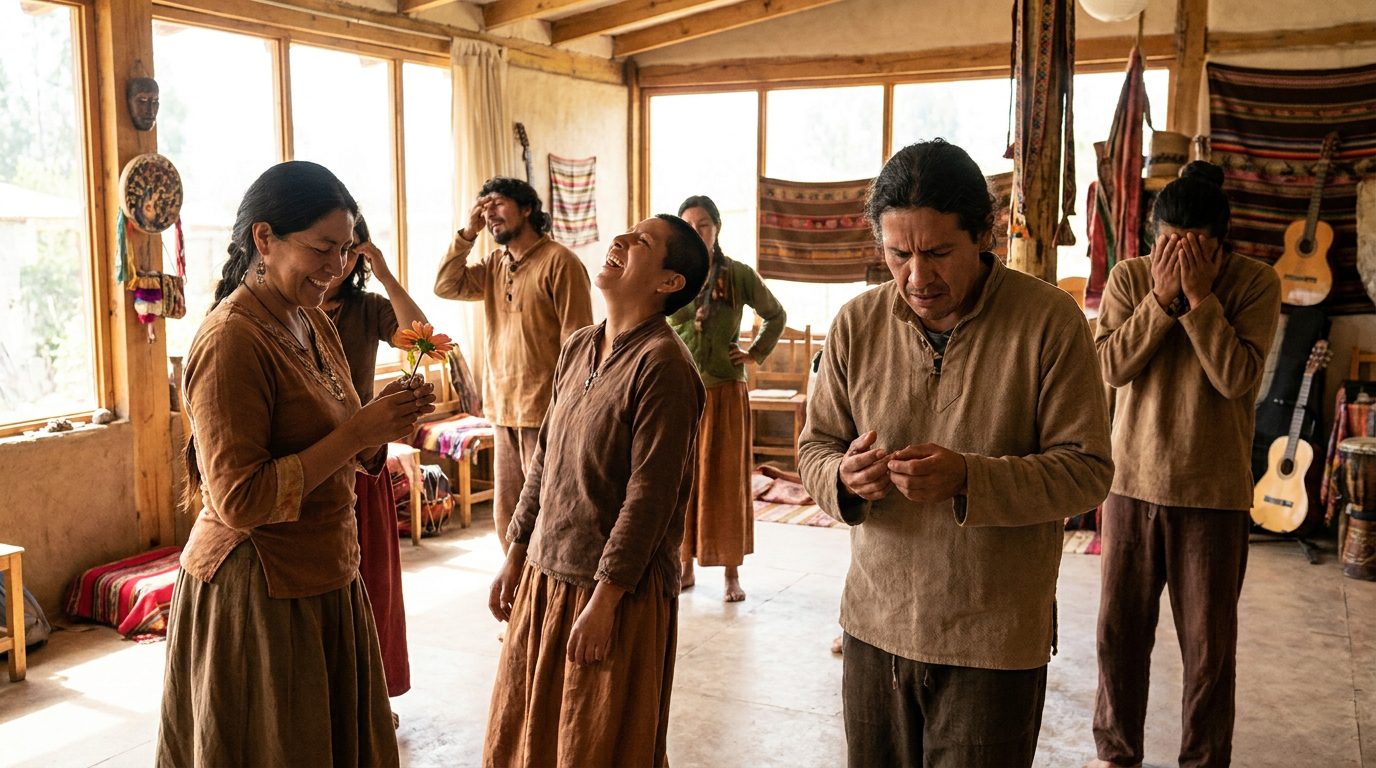
In the heart of Bhakti Yoga, there is a beautiful Sanskrit word: rasa. Simply put, rasa means “taste,” “mood,” or “loving relationship.” In spiritual life, rasa refers to the unique flavor of love the soul can share with God.
Bhakti Yoga teaches that God is not only a distant power or abstract light. God is a person—loving, knowable, and deeply connected to every living being. In the Bhakti tradition, especially as revealed in sacred texts like the Bhagavad-gita, Srimad Bhagavatam, and the writings of great saints, we learn that the soul can relate to the Divine in many intimate and meaningful ways.
The five primary rasas in Bhakti are:
- Shanta-rasa – peaceful reverence
- Dasya-rasa – loving service
- Sakhya-rasa – friendship
- Vatsalya-rasa – parental affection
- Madhurya-rasa – divine romantic love
These are not ordinary emotions. They are spiritual relationships, awakened through sincere practice, grace, chanting, prayer, service, and the company of loving devotees.
Whether you are new to Bhakti Yoga, returning to spiritual practice, or simply curious about the path of devotion, this guide is offered with humility. You do not need to know Sanskrit, have a particular background, or be perfect to begin. Bhakti begins with one sincere step toward God.
What Does Rasa Mean in Bhakti Yoga?
Rasa as the “Taste” of Relationship with God
The word rasa can be translated as “taste,” but in Bhakti Yoga it means much more than flavor. It is the living, heartfelt experience of loving exchange with the Supreme Person.
Just as human relationships have different moods—respect, friendship, care, affection, or deep love—our relationship with God can also awaken in different ways. Bhakti scriptures explain that the soul is naturally loving. Our deepest identity is not merely the body, mind, career, nationality, or social role. We are spiritual beings, meant for loving connection with the Divine.
The Taittiriya Upanishad says, raso vai sah—“The Supreme is rasa.” This means that ultimate reality is full of spiritual taste, relationship, joy, and love. God is not empty or impersonal. God is the source of all beauty, sweetness, and loving exchange.
Bhakti Is Personal and Practical
Bhakti Yoga is the path of devotion. It is not only philosophy. It is something we practice with our voice, hands, heart, and daily choices.
Bhakti includes:
- Chanting sacred names of God, especially the maha-mantra:
Hare Krishna Hare Krishna Krishna Krishna Hare Hare / Hare Rama Hare Rama Rama Rama Hare Hare
- Prayer, speaking honestly with God
- Service, offering our talents and time with love
- Hearing sacred wisdom, such as the Bhagavad-gita and Srimad Bhagavatam
- Remembering God throughout the day
- Offering food, work, and actions with devotion
- Keeping spiritual company with others who are trying to grow in love
Through these practices, the heart gradually becomes purified. We begin to experience a deeper taste than temporary pleasure—the taste of spiritual relationship.
The Five Primary Rasas Are Eternal Relationships
In Bhakti tradition, especially in the teachings of Sri Chaitanya Mahaprabhu and the great teacher Srila Rupa Goswami, the five primary rasas are understood as eternal ways the soul can love Krishna, the all-attractive form of God.
Krishna means “the all-attractive one.” He is described in the Bhagavad-gita as the source of everything:
“I am the source of all spiritual and material worlds. Everything emanates from Me.” — Bhagavad-gita 10.8
The rasas help us understand that devotion is not one-size-fits-all. Love is personal. Every soul has a unique relationship with God, and Bhakti Yoga gently awakens that relationship in the heart.
Shanta-rasa: Peaceful Reverence
What Is Shanta-rasa?
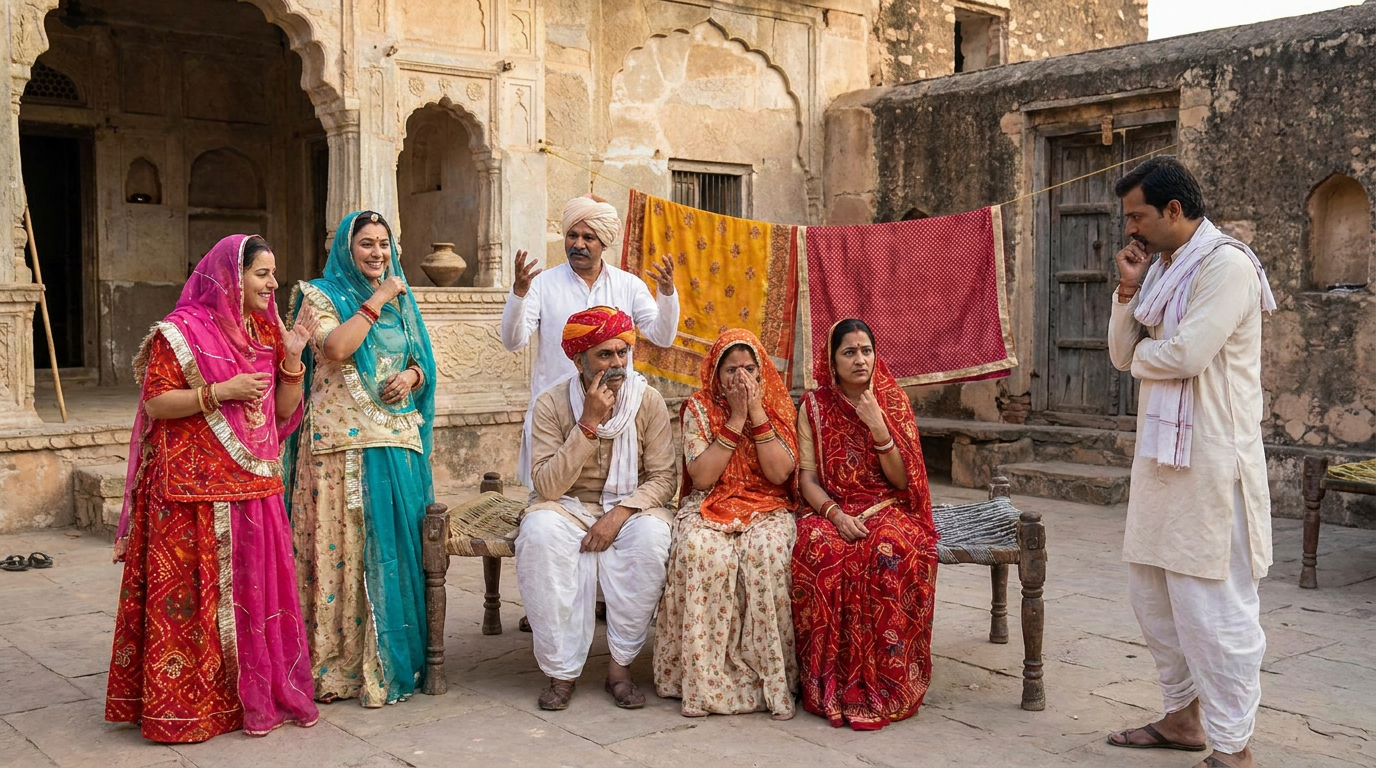
Shanta means “peaceful.” Shanta-rasa is the mood of peaceful appreciation, reverence, and spiritual steadiness in relation to God.
In this rasa, the devotee recognizes the greatness of the Supreme. There is deep respect, calmness, and freedom from worldly disturbance. The heart is no longer running wildly after temporary things. Instead, it rests in the truth: “God is great, and I belong to Him.”
This mood may be familiar to many seekers. You may feel it while sitting quietly in prayer, walking in nature, gazing at the sky, or reading sacred wisdom. There is awe, peace, and a sense of divine presence.
Examples of Shanta-rasa in Scripture
The four Kumaras, ancient sages described in the Srimad Bhagavatam, are often associated with shanta-rasa. They were deeply peaceful and spiritually realized. When they smelled the fragrance of tulasi leaves offered to Lord Vishnu, their hearts awakened with devotion.
This shows us something important: even the most peaceful and philosophical spiritual life becomes complete when touched by devotion.
The Srimad Bhagavatam also describes saints who meditate on the Lord in the heart and become satisfied in the self. Their devotion may be quiet, but it is powerful.
Practicing Shanta-rasa in Daily Life
For many people, peaceful devotion is a beautiful place to begin.
You can cultivate shanta-rasa by:
- Taking a few minutes each morning for silent prayer
- Reading one verse from the Bhagavad-gita
- Chanting softly and attentively
- Spending time in nature while remembering God as the source
- Practicing gratitude
- Reducing habits that disturb the mind
- Offering your day to God before it begins
Shanta-rasa reminds us that Bhakti Yoga is not about pressure. It begins with peace. When the heart becomes peaceful, love can grow.
Please visit our website for more information on our articles: articles.
Dasya-rasa: Loving Service
What Is Dasya-rasa?
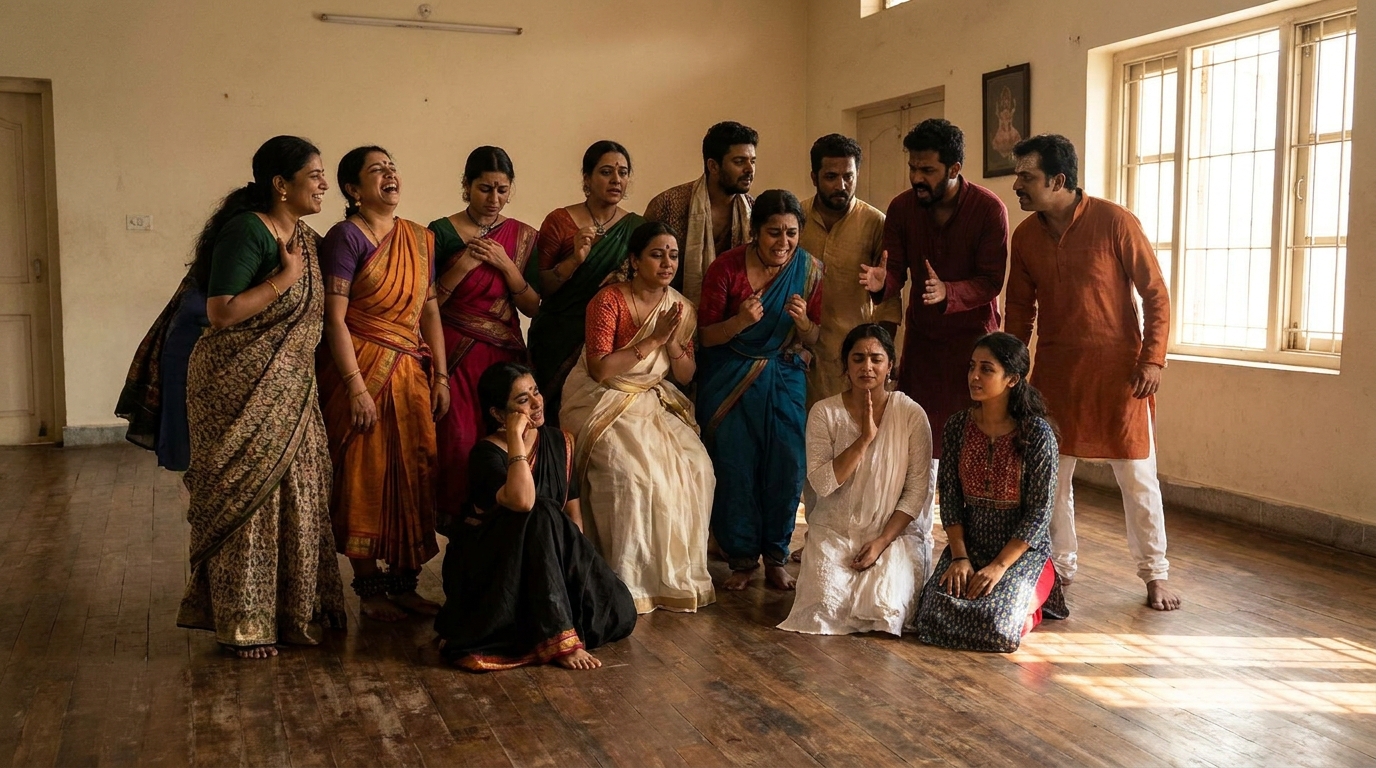
Dasya comes from the Sanskrit word dasa, meaning “servant.” In Bhakti, this does not mean forced service or low self-worth. It means loving service freely offered to God.
In dasya-rasa, the devotee thinks, “God is my beloved Lord, and I am His servant.” This service is filled with dignity, joy, and purpose. In the material world, service can feel exhausting when it is disconnected from love. But in Bhakti, service becomes sacred.
The Bhagavad-gita teaches this spirit beautifully:
“Whatever you do, whatever you eat, whatever you offer or give away, and whatever austerities you perform—do that as an offering to Me.” — Bhagavad-gita 9.27
This verse shows that our whole life can become devotional. Cooking, working, cleaning, parenting, teaching, creating, helping others—all can become offerings.
Hanuman as an Example of Dasya-rasa
One of the most beloved examples of dasya-rasa is Hanuman, the great servant of Lord Rama. Hanuman’s devotion is courageous, humble, and completely selfless. He does not serve for fame. He serves because his heart belongs to Rama.
Hanuman shows us that service is not weakness. It is strength guided by love. He is powerful, wise, fearless, and gentle because everything he does is dedicated to the Lord.
How to Practice Dasya-rasa
Dasya-rasa can be practiced in very simple ways.
You might begin by asking:
- “How can I serve God today?”
- “How can I serve others as children of God?”
- “Can I offer this task with love instead of resentment?”
- “Can I use my gifts in devotion?”
Practical expressions include:
- Volunteering at a temple, community, or spiritual gathering
- Helping prepare or distribute sanctified food, called prasadam
- Supporting others in their spiritual journey
- Offering your professional work to God
- Serving your family with patience and prayer
- Cleaning your home or sacred space as an offering
- Singing or playing music for God
Prasadam means “mercy” or “grace.” In Bhakti, food prepared and offered to God with love becomes spiritually nourishing. Sharing prasadam is one of the sweetest forms of service.
Dasya-rasa teaches us that the hands become holy when they serve with love.
Sakhya-rasa: Friendship with God
What Is Sakhya-rasa?
Sakhya means “friendship.” In sakhya-rasa, the devotee relates to God as a dear friend. This friendship includes trust, affection, openness, and closeness.
For some people, the idea of being friends with God may feel surprising. Many traditions emphasize God’s majesty, and that is true and important. But Bhakti also reveals God’s sweetness. Krishna is not only the Supreme Lord of all worlds; He is also the friend of the heart.
In the Bhagavad-gita, Krishna says:
“I am the friend of all living beings.” — Bhagavad-gita 5.29
This is a deeply comforting truth. God is not waiting for us to fail. God is our well-wisher, guiding us from within and inviting us into relationship.
Arjuna and Krishna: Sacred Friendship
The friendship between Arjuna and Krishna in the Bhagavad-gita is a powerful example of sakhya-rasa mixed with reverence. Arjuna speaks with Krishna as his friend, but when he realizes Krishna’s divine greatness, his heart fills with awe.
Arjuna says:
“Thinking of You as my friend, I have rashly addressed You ‘O Krishna,’ ‘O Yadava,’ ‘O my friend,’ not knowing Your glories.” — Bhagavad-gita 11.41
This moment is tender. Arjuna’s friendship does not disappear when he sees Krishna’s universal form. Rather, it becomes deeper, purified by understanding.
In Krishna’s childhood pastimes in Vrindavan, His cowherd friends play with Him, joke with Him, eat with Him, and run through the forests together. They do not think of Krishna as distant. They love Him as their dearest companion.
Practicing Friendship with God
Sakhya-rasa can be approached through honest prayer. You can speak to God from the heart:
“Krishna, I don’t know how to love You perfectly, but I want to know You. Please walk with me. Please guide me.”
This kind of prayer is simple and powerful.
You can practice sakhya-bhava, the mood of friendship, by:
- Speaking to God honestly throughout the day
- Sharing your joys and struggles in prayer
- Chanting as a way of spending time with God
- Reading stories of Krishna’s friendships in the Srimad Bhagavatam
- Remembering that God is your well-wisher
- Trusting that you are not alone
Friendship with God brings warmth to spiritual life. It helps us move from fear to trust.
Vatsalya-rasa: Parental Affection
What Is Vatsalya-rasa?
Vatsalya means parental love or nurturing affection. In vatsalya-rasa, the devotee loves God as a parent loves a child.
This may seem astonishing. How can the infinite Supreme be loved as a child? Bhakti answers: because love is so powerful that God allows Himself to be cared for by His devotees. The Lord, who sustains all universes, becomes dependent on the love of His devotee.
In Krishna’s Vrindavan pastimes, Mother Yashoda and Nanda Maharaja love Krishna as their son. They feed Him, bathe Him, protect Him, worry about Him, and sometimes even discipline Him. Their love is not based on fear or theological analysis. It is spontaneous, tender, and complete.
Mother Yashoda and the Sweetness of Bhakti
One of the most famous stories in the Srimad Bhagavatam tells how Mother Yashoda tried to bind child Krishna with a rope after He mischievously broke a butter pot. Though Krishna is the Supreme Lord, He allowed Himself to be bound by her love.
The rope was always two fingers too short until Krishna accepted her effort. Bhakti teachers explain that these two fingers represent two things: the devotee’s sincere effort and Krishna’s mercy. Both are needed.
This story is not merely charming. It reveals a profound truth: God is conquered by love.
Practicing the Mood of Care
Most of us may not naturally feel parental affection for God, but we can learn from vatsalya-rasa in practical ways. We can cultivate a caring heart.
For example:
- Caring for the temple or altar as God’s home
- Dressing and offering flowers to the Deity with tenderness
- Cooking for Krishna with affection
- Protecting our spiritual practices like a parent protects a child
- Caring for others as beloved parts of God
- Offering gentle service without expecting recognition
In Bhakti temples and homes, devotees may worship the Deity, a sacred form of the Lord made visible so we can offer personal service. The Deity is not considered an idol, but a merciful form through which God accepts our love.
Vatsalya-rasa reminds us that spiritual life is not cold or distant. God welcomes the tenderness of the heart.
Madhurya-rasa: Divine Romantic Love
What Is Madhurya-rasa?
Madhurya means “sweetness.” Madhurya-rasa is the deepest and most intimate mood of divine love, often described as the love of a beloved for the Divine Beloved.
This rasa is not ordinary romance. It is completely pure, selfless, and spiritual. It has nothing to do with material desire or exploitation. In madhurya-rasa, the soul offers itself fully to Krishna in the mood of complete loving surrender.
The highest examples of madhurya-rasa are the gopis of Vrindavan, especially Srimati Radharani. The gopis are celebrated in the Srimad Bhagavatam as the greatest devotees because their love for Krishna is uninterrupted, fearless, and completely free from selfishness.
Srimati Radharani: The Queen of Devotion
In the Bhakti tradition, Srimati Radharani is honored as the supreme devotee and the embodiment of pure love for Krishna. Her love is the highest expression of Bhakti. She does not want anything from Krishna for herself. Her only desire is Krishna’s happiness.
Sri Chaitanya Mahaprabhu, who appeared in India in the 15th century, taught the chanting of the holy names and shared the mood of devotion found in Vrindavan. His followers understand Him as Krishna in the mood and golden complexion of Radharani, tasting the depth of Her love.
This is a sacred and elevated subject. It is approached with humility, purity, and guidance—not as poetry alone, but as the highest theology of love.
Understanding Madhurya with Respect
Because madhurya-rasa uses the language of romantic love, it can be misunderstood if taken materially. Bhakti teachers carefully explain that spiritual love is different from worldly desire.
Material desire often asks, “What can I get?”
Pure love asks, “How can I serve?”
The gopis’ love is not selfish. It is the highest form of surrender. When Krishna plays His flute, they leave everything—not out of irresponsibility, but because their souls are completely called by divine love.
The Srimad Bhagavatam states that hearing these sacred pastimes with faith from proper sources can purify the heart. The goal is not imitation, but transformation.
Practicing the Essence of Madhurya-rasa
Most practitioners do not artificially claim advanced spiritual emotions. Bhakti is humble. We begin where we are.
Still, we can honor the essence of madhurya-rasa by practicing:
- Sincere chanting with longing
- Offering the heart to God without bargaining
- Remembering Radha and Krishna with reverence
- Serving devotees who carry deep love
- Avoiding selfishness in relationships
- Praying for pure devotion
A simple prayer might be:
“May my heart become less selfish. May I learn to love You for Your pleasure, not my own.”
Madhurya-rasa teaches that the soul’s highest fulfillment is complete loving union in service to God.
How the Five Rasas Relate to Spiritual Growth
From Reverence to Intimacy
The five primary rasas may be seen as increasing degrees of intimacy:
- In shanta-rasa, there is peace and reverence.
- In dasya-rasa, reverence becomes active service.
- In sakhya-rasa, service becomes friendship and trust.
- In vatsalya-rasa, love becomes protective and nurturing.
- In madhurya-rasa, love reaches complete sweetness and self-offering.
This does not mean everyone must force themselves into a particular mood. Spiritual identity is revealed by grace. Our practice is to chant, serve, hear, pray, and live sincerely. Krishna awakens the heart in His own time.
Each Rasa Is Perfect in Its Own Way
It is important to understand that spiritual relationships are not competitive in a worldly sense. Every soul’s relationship with God is beautiful when it is pure.
A devotee in dasya-rasa does not need to imitate madhurya-rasa. A person drawn to peaceful reverence should not feel lesser. Bhakti is not about spiritual performance. It is about sincerity.
The Bhagavad-gita offers a wonderfully inclusive teaching:
“If one offers Me with love and devotion a leaf, a flower, fruit, or water, I will accept it.” — Bhagavad-gita 9.26
God accepts love. The offering may be simple, but if it is sincere, it becomes precious.
Rasa Awakens Through Purification
Rasa is not something we invent with imagination. It awakens naturally as the heart becomes purified through Bhakti practice.
The traditional process includes:
- Shravanam – hearing about God
- Kirtanam – chanting or singing God’s names
- Smaranam – remembering God
- Pada-sevanam – serving the Lord’s feet
- Archanam – worship
- Vandanam – prayer
- Dasyam – service
- Sakhyam – friendship
- Atma-nivedanam – full self-surrender
These nine practices are described in the Srimad Bhagavatam. They show that Bhakti can include many forms, and every person can begin with what feels sincere and accessible.
The Role of Chanting in Awakening Bhakti Rasa
The Holy Name Carries the Presence of God
One of the most practical and powerful practices in Bhakti Yoga is chanting the holy names of God. In the Bhakti tradition, God’s name is not considered separate from God. When we chant sincerely, we are coming into direct contact with divine presence.
The maha-mantra is:
**Hare Krishna Hare Krishna
Krishna Krishna Hare Hare
Hare Rama Hare Rama
Rama Rama Hare Hare**
“Hare” calls upon the divine energy of the Lord, especially Srimati Radharani. “Krishna” means the all-attractive one. “Rama” means the source of joy and spiritual pleasure.
A simple meaning of the mantra is:
“O Lord, O divine energy of the Lord, please engage me in Your loving service.”
Chanting Is for Everyone
You do not need to be advanced to chant. You do not need to be born into a certain tradition. You do not need to understand everything. Chanting is an invitation.
You can chant:
- Softly in the morning
- While walking
- With beads, known as japa mala
- In a group through kirtan, call-and-response singing
- During times of anxiety or gratitude
- Before making an important decision
- As a daily spiritual anchor
Chanting cleanses the heart little by little. It brings us closer to our natural relationship with God.
From Sound to Love
At first, chanting may feel like sound. Then it becomes practice. Over time, it becomes shelter. By grace, it becomes love.
The Chaitanya-caritamrita teaches that the holy name cleanses the mirror of the heart. This means chanting helps remove the dust of selfishness, fear, distraction, and forgetfulness. As the heart becomes clearer, spiritual taste can awaken.
This taste is the beginning of rasa.
Living the Five Rasas in Everyday Bhakti Practice
In the Home
Your home can become a place of devotion. You might create a small sacred space with a picture of Krishna, Rama, Vishnu, Radha-Krishna, Lord Chaitanya, or another form of God dear to your heart.
You can offer:
- A candle or incense
- Fresh water
- Flowers
- Vegetarian food prepared with love
- A simple prayer
- A few minutes of chanting
This is not about impressing anyone. It is about relationship.
Shanta-rasa may appear as peaceful prayer. Dasya-rasa may appear as cleaning the altar. Sakhya-rasa may appear as speaking honestly with God. Vatsalya-rasa may appear as carefully preparing an offering. Madhurya-rasa may appear as longing to love without selfishness.
In Relationships
Bhakti rasa can also transform how we treat others.
If we see every person as a soul, a beloved part of God, then relationships become sacred ground. We become more patient, forgiving, and compassionate.
Service to others becomes service to God. Listening becomes devotion. Encouragement becomes worship. Feeding others becomes an offering. Forgiveness becomes purification.
This does not mean we ignore healthy boundaries or accept harm. Bhakti includes wisdom. But it invites us to let love guide our actions.
In Work and Purpose
Many people wonder how to practice Bhakti while living busy lives. The Bhagavad-gita gives a practical answer: offer your work.
You can pray before beginning work:
“May this be useful. May I serve through this. May the results belong to You.”
This simple intention changes consciousness. Work becomes less ego-centered and more devotional. Whether you are a parent, student, artist, engineer, caregiver, teacher, business owner, or seeker in transition, your daily life can become part of your Bhakti path.
Common Questions About the Five Primary Rasas
Do I Choose My Rasa?
In one sense, you may feel drawn to certain moods of devotion. Some people naturally feel reverence. Others feel friendship, service, or tenderness. These inclinations can be meaningful.
But in the deeper sense, our eternal rasa is revealed by God’s grace, not forced by mental decision. The safest path is to practice sincerely, hear from authentic sources, serve humbly, and let the heart awaken naturally.
Is One Rasa Better Than Another?
The tradition often describes madhurya-rasa as the most intimate and complete expression of divine sweetness. At the same time, every rasa is spiritually perfect when fully pure.
A helpful way to understand this is through relationship. A parent’s love is not “less real” than a friend’s love. A servant’s devotion can be deeper than someone’s words of affection. Love is measured by purity, not by external category.
Can Beginners Study Rasa?
Yes, with humility and proper guidance. Understanding the five rasas can inspire us and help us appreciate the richness of Bhakti Yoga. However, we should avoid pretending to have advanced realizations.
The foundation is always:
- Chanting sincerely
- Serving humbly
- Hearing scripture regularly
- Avoiding offenses and pride
- Seeking saintly association
- Living with compassion and integrity
The more grounded we are, the more safely we can appreciate deeper teachings.
What If I Come from Another Faith Background?
You are welcome. Bhakti Yoga honors sincere devotion wherever it appears. The language, names, and practices may be new, but the heart of Bhakti is universal: love of God.
Many people from Christian, Muslim, Jewish, Buddhist, Hindu, interfaith, spiritual-but-not-religious, or uncertain backgrounds find nourishment in chanting, prayer, sacred food, and devotional community.
You do not need to reject your journey to take a sincere step toward God. Bhakti invites the heart to open.
The Five Rasas as a Map of Divine Love
Shanta: “I Honor You”
Shanta-rasa teaches us to pause, breathe, and recognize God’s greatness. It brings peace to the restless mind.
Dasya: “I Serve You”
Dasya-rasa turns devotion into action. It gives purpose to our hands, words, and daily duties.
Sakhya: “I Trust You”
Sakhya-rasa opens the heart to friendship with God. It reminds us that we are guided, known, and loved.
Vatsalya: “I Care for You”
Vatsalya-rasa reveals the tenderness of devotion. It teaches us to serve with affection, attention, and warmth.
Madhurya: “I Give Myself to You”
Madhurya-rasa points to the highest sweetness: love without selfishness, surrender without fear, and union through service.
Together, the five primary rasas in Bhakti show us that spiritual life is not dry. It is alive with relationship. It is not merely about escaping suffering, though Bhakti brings deep relief. It is about awakening love.
Taking One Sincere Step Toward God
Bhakti Yoga is both the path and the destination. We practice love, and by grace, love awakens. We chant, and the heart softens. We serve, and life becomes meaningful. We pray, and we discover we were never alone.
The five primary rasas—shanta, dasya, sakhya, vatsalya, and madhurya—are sacred windows into the soul’s eternal relationship with God. They help us understand that the Divine is not distant from the heart. Krishna, the all-attractive Lord, invites every soul into loving exchange.
You do not have to master Sanskrit. You do not have to be perfect. You do not have to understand everything today. Begin simply.
Chant one mantra. Offer one prayer. Read one verse. Share one act of kindness. Serve one person. Offer one meal. Sit quietly and say, “God, please guide me.”
At The Bhakti House, all are welcome—wherever you come from, whatever your story, and wherever you are on the path. Take one sincere step toward God, and trust that divine love will meet you there.
FAQs
What are the Five Primary Rasas in Bhakti?
The Five Primary Rasas in Bhakti are Shanta (peace), Dasya (servitude), Sakhya (friendship), Vatsalya (parental love), and Madhurya (conjugal love). These are the five essential relationships or flavors of loving devotion to the divine in Hinduism.
How are the Five Primary Rasas expressed in Bhakti?
The Five Primary Rasas are expressed through various devotional practices such as prayer, meditation, chanting, singing, dancing, and serving the divine in different ways. Each Rasa represents a unique way of relating to the divine and experiencing love and devotion.
What is the significance of the Five Primary Rasas in Bhakti?
The Five Primary Rasas in Bhakti are significant as they provide a framework for devotees to understand and experience different dimensions of love and devotion towards the divine. They offer a diverse range of emotional and relational experiences that cater to the individual’s unique spiritual inclinations.
How do the Five Primary Rasas impact the practice of Bhakti?
The Five Primary Rasas impact the practice of Bhakti by providing devotees with a variety of ways to connect with the divine. By understanding and cultivating these different flavors of love and devotion, practitioners can deepen their spiritual experiences and develop a more intimate relationship with the divine.
Can one experience multiple Rasas in their Bhakti practice?
Yes, it is possible for individuals to experience multiple Rasas in their Bhakti practice. While one Rasa may be predominant, devotees may also experience elements of other Rasas at different times or in different contexts, depending on their spiritual journey and personal relationship with the divine.

