
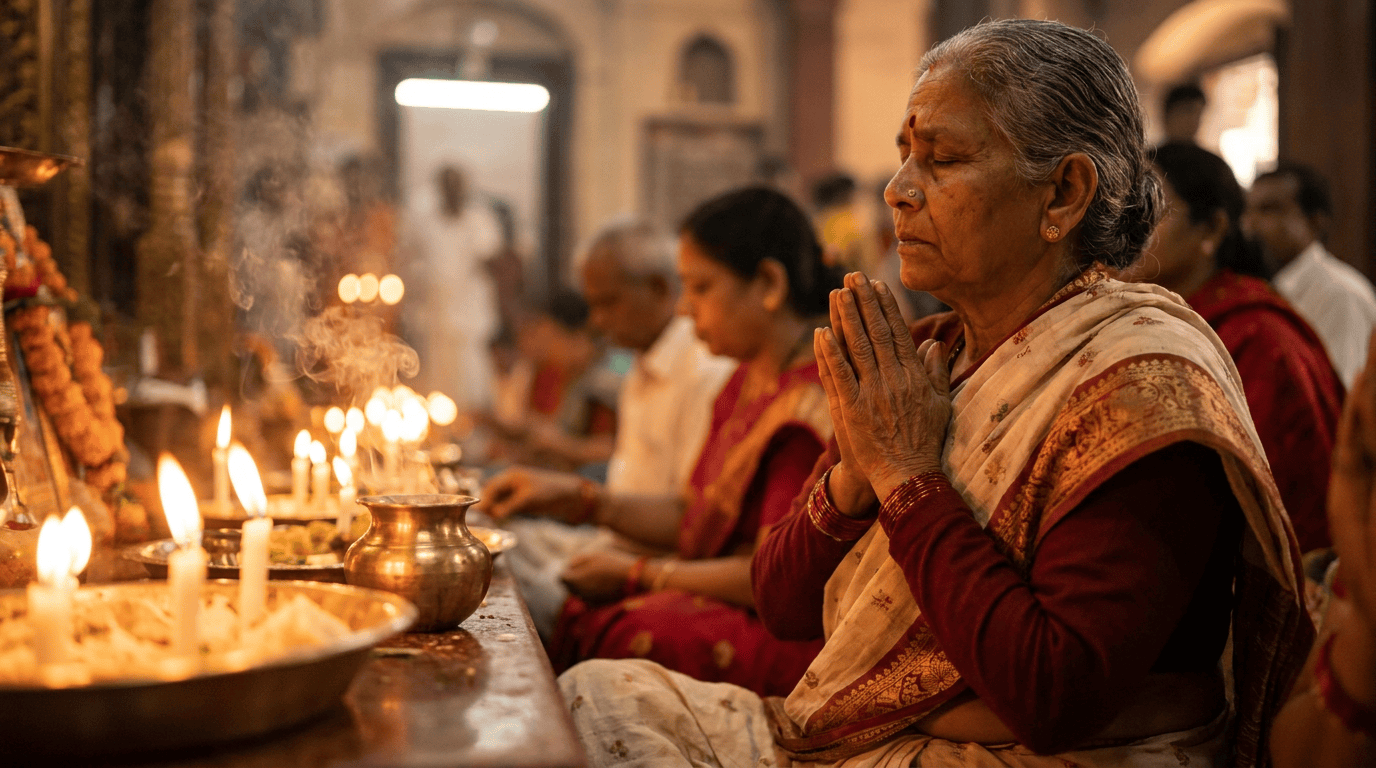
Navadha Bhakti means “the nine processes of devotion.” In Sanskrit, nava means “nine,” and bhakti means loving devotion to God. These nine practices are a beautiful, practical guide for anyone who wants to grow spiritually through love, prayer, chanting, service, and remembrance.
The famous list of Navadha Bhakti comes from the Srimad Bhagavatam 7.5.23–24, where the young saint Prahlada Maharaja teaches:
*sravanam kirtanam vishnoh
smaranam pada-sevanam
arcanam vandanam dasyam
sakhyam atma-nivedanam*
He explains that devotional life includes hearing about God, chanting His names, remembering Him, serving His lotus feet, worshiping Him, offering prayers, serving as His servant, becoming His friend, and surrendering everything to Him.
This teaching is simple enough for a child and deep enough for a lifetime of spiritual growth. In fact, Prahlada Maharaja was only a young boy when he spoke these words, yet his faith was fearless and pure. His life reminds us that Bhakti Yoga is not limited by age, culture, language, gender, nationality, or background. The path of devotion belongs to the soul.
Bhakti Yoga is the yoga of love. It is not only a philosophy to study, but a relationship to live. Through these nine processes, we learn how to bring God into our daily life—while cooking, walking, working, caring for family, facing struggles, and seeking peace.
You do not have to practice all nine perfectly from the beginning. Even one sincere step can awaken the heart.
The Heart of Bhakti Yoga
Bhakti Yoga teaches that the soul is naturally connected to the Supreme Person, known in the Bhakti tradition by many names, including Krishna, Rama, Vishnu, Narayana, and Hari. These names describe the all-loving, all-attractive Lord, the source of life, beauty, wisdom, and compassion.
The purpose of Bhakti is not simply to “be religious” on the outside. Its purpose is to awaken love within the heart. This love is not ordinary emotion. It is a deep spiritual affection that gradually purifies selfishness, fear, envy, and loneliness.
Bhakti Is Practical
Bhakti is practiced through everyday actions offered with devotion. We can chant God’s names. We can listen to sacred wisdom. We can pray honestly. We can serve others. We can offer our food before eating. We can remember God before making decisions. We can turn our homes into sacred spaces.
In the Bhagavad-gita 9.26, Krishna says:
“If one offers Me with love and devotion a leaf, a flower, a fruit, or water, I will accept it.”
This verse shows the heart of Bhakti. God is not looking for our wealth, status, or perfection. He is looking for sincerity. Even a simple offering, made with love, becomes spiritually powerful.
Bhakti Is Personal
In Bhakti Yoga, God is not distant or impersonal. He is the closest friend in the heart. He hears our prayers. He receives our offerings. He guides us when we sincerely seek Him.
This personal relationship may grow in different moods. Some devotees approach God as a master, some as a dear friend, some as a beloved child, and some as the Lord of their life. Navadha Bhakti gives us many doorways into this relationship.
1. Sravanam: Hearing About God

Sravanam means hearing. In Bhakti, this means hearing about the names, qualities, teachings, and pastimes of the Lord from sacred scriptures and sincere devotees.
Hearing is the first process because spiritual life begins when divine sound enters the heart. Just as nourishing food strengthens the body, sacred sound nourishes the soul.
Hearing Sacred Wisdom
We can practice sravanam by listening to the Bhagavad-gita, Srimad Bhagavatam, kirtan, lectures, podcasts, or conversations centered on God. The goal is not just to collect information, but to receive inspiration that changes how we live.
When we hear about Krishna’s compassion, we become softer. When we hear about His protection of devotees, we gain courage. When we hear about His beauty and kindness, the heart naturally becomes attracted.
Hearing With Humility
Bhakti hearing is not passive. It is a prayerful act. We listen with the hope, “May this wisdom enter my heart. May I become more loving. May I remember God.”
Even if we do not understand everything at first, sincere hearing has an effect. The Srimad Bhagavatam explains that hearing about the Lord cleanses the heart of impurities, just as the sun gradually clears away fog.
A simple practice: spend ten minutes each day hearing sacred wisdom. Let it be gentle and consistent.
Please visit our website for more information on our articles: articles.
2. Kirtanam: Chanting the Holy Names
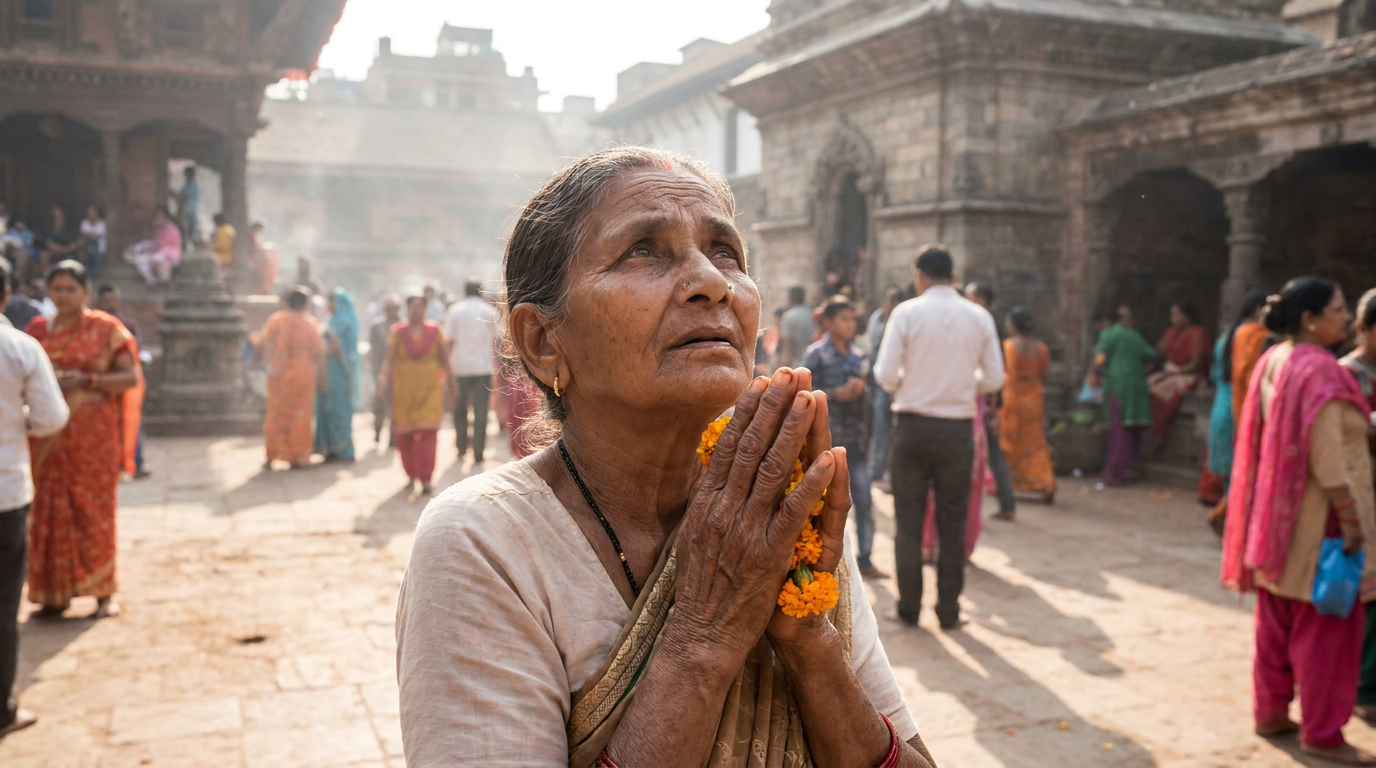
Kirtanam means chanting, singing, or glorifying God. This includes singing sacred mantras, speaking about God’s qualities, or sharing devotional wisdom with others.
In the Bhakti tradition, chanting the holy names is especially important for this age. The names of God are understood to be spiritually present and full of divine power. When we chant, we are not merely making sound—we are calling out to the Lord.
The Power of Mantra Meditation
A mantra is a sacred sound that helps focus and purify the mind. One of the most well-known Bhakti mantras is the Maha Mantra:
Hare Krishna Hare Krishna
Krishna Krishna Hare Hare
Hare Rama Hare Rama
Rama Rama Hare Hare
“Hare” is a call to the divine energy of the Lord. “Krishna” means the all-attractive one. “Rama” means the source of spiritual joy.
Chanting this mantra is a prayer: “O Lord, O divine energy of the Lord, please engage me in Your loving service.”
Kirtan as Community Prayer
Kirtan is often practiced together with music, call-and-response singing, and heartfelt participation. It is not a performance. It is a shared offering. Whether someone has a trained voice or not, every sincere voice is welcome.
Kirtan softens the heart. It brings people together beyond external differences. In a world often divided by labels, chanting reminds us that we are all souls longing for love, peace, and connection with God.
A simple practice: chant one round on beads, sing one mantra in the morning, or play kirtan while cooking or driving.
3. Smaranam: Remembering God
Smaranam means remembrance. It is the practice of bringing God into the mind and heart throughout the day.
The mind is always remembering something—our tasks, worries, desires, past experiences, or future plans. Bhakti gently redirects the mind toward the divine. This does not mean neglecting responsibilities. It means carrying a sacred awareness into them.
Remembering in Daily Life
We can remember God before beginning work, before eating, before sleeping, or when facing difficulty. We can silently repeat the holy names. We can pause and offer gratitude. We can ask, “How can I act in a way that pleases God?”
Remembering God can be very simple:
“Krishna, please guide me.”
“Lord, thank You for this day.”
“Please help me serve with love.”
“May my words be kind.”
“May I remember You in this moment.”
These prayers may seem small, but they gradually reshape the heart.
Remembering Through Scripture
The stories of the Lord in the Srimad Bhagavatam are not ordinary stories. They are meditations. Remembering Krishna lifting Govardhan Hill, protecting Prahlada, speaking the Bhagavad-gita, or lovingly playing with His devotees helps us feel that God is not abstract. He is alive, active, and affectionate.
A simple practice: choose one divine quality of God each day—mercy, beauty, protection, patience, playfulness—and remember it during your day.
4. Pada-Sevanam: Serving the Lord’s Lotus Feet
Pada-sevanam means serving the feet of the Lord. In devotional language, the “lotus feet” of God represent shelter, humility, and loving service. A lotus grows in water but remains untouched by it. Similarly, the Lord’s feet offer shelter beyond the disturbances of this world.
This process may sound symbolic, but it has many practical expressions.
Taking Shelter
To serve the Lord’s feet means to seek refuge in Him. It means recognizing, “I cannot cross life’s challenges by my own strength alone. I need divine grace.”
This humility is not weakness. It is wisdom. When we take shelter of God, we become stronger, steadier, and more compassionate.
Serving Sacred Spaces
Pada-sevanam can include caring for a temple, cleaning a sacred room, arranging flowers, preparing a sitting place for worship, or helping create an atmosphere where others can connect with God.
In Bhakti, cleaning the temple is not just cleaning a building. It is cleaning the heart. Sweeping the floor, washing dishes after a feast, or arranging shoes for guests can become acts of devotion when done with love.
A simple practice: create a small sacred space at home. Keep it clean. Offer a flower, light, or prayer there daily.
5. Arcanam: Worshiping the Lord
Arcanam means worship. This often refers to deity worship, where the Lord is honored through sacred forms with offerings such as flowers, incense, lamps, food, water, and prayers.
In Bhakti, the deity is not seen as an idol or imagination. The deity is a merciful form of the Lord, allowing us to serve Him with our senses. Because we are embodied beings, God kindly accepts visible forms so we can dress Him, feed Him, see Him, and offer our love.
Worship at Home
Arcanam does not have to be elaborate. At home, worship may be very simple. You might place a picture of Krishna, Rama, Vishnu, or another sacred form of the Lord on a clean altar. You might offer water, fruit, flowers, or a small lamp.
The most important ingredient is devotion.
Krishna says in the Bhagavad-gita that He accepts even a leaf, flower, fruit, or water when offered with love. This means worship is available to everyone. A child can do it. A busy parent can do it. A student can do it. A person with very little money can do it.
Offering Food With Love
One of the most practical forms of arcanam is offering food to God before eating. In Bhakti, food offered to Krishna becomes prasadam, which means “mercy.” Prasadam nourishes both body and soul.
A simple offering prayer may be:
“Dear Lord, thank You for this food. Please accept it with my love. May it nourish me for Your service.”
Then pause for a moment before eating. This simple act transforms daily meals into devotion.
6. Vandanam: Offering Prayers
Vandanam means offering prayers. Prayer is the language of the heart. It can be spoken, sung, written, whispered, or silent.
In Bhakti, prayer is not only asking for things. It is relationship. We praise God, thank God, confess our struggles, seek guidance, and offer ourselves.
Honest Prayer
Sometimes people feel they must be pure before they can pray. Bhakti teaches the opposite: we pray because we need purification. We come as we are.
A sincere prayer might sound like:
“Lord, I feel distracted, but I want to remember You.”
“Please help me forgive.”
“Please help me serve without pride.”
“I do not know what to do, but I trust You.”
“Please let me love You more.”
God is not disturbed by our honesty. In fact, honest prayer opens the door to grace.
Prayers From Scripture
The Bhakti scriptures are filled with beautiful prayers. Queen Kunti’s prayers in the Srimad Bhagavatam, Prahlada’s prayers to Lord Nrsimha, and the prayers of the great saints can guide us when we do not know what to say.
One powerful mood found throughout devotional prayer is: “Please let me remember You, serve You, and never forget You.” This is the heart of Bhakti.
A simple practice: write one prayer each morning or evening. Let it be real. Let it be yours.
7. Dasyam: Serving as God’s Servant
Dasyam means serving the Lord as a servant. In modern life, the word “servant” can feel uncomfortable because it may bring up ideas of oppression or inferiority. But in Bhakti, spiritual service is joyful, voluntary, and full of love.
To be God’s servant means to live with the understanding: “My life is meant for loving service.”
Service Purifies the Heart
Service helps free us from selfishness. When we serve God and others, we begin to move from “What can I get?” to “How can I love?”
This service may be practical and humble. Cooking, cleaning, teaching, listening, organizing, welcoming guests, caring for children, helping the elderly, supporting spiritual gatherings, or sharing kindness can all become Bhakti when offered to God.
The Bhagavad-gita encourages us to offer our work to the Lord. This means our profession, family duties, talents, and daily responsibilities can become part of our spiritual path.
The Joy of Being Useful
There is deep joy in feeling useful in God’s service. We do not need to be famous. We do not need recognition. Even unseen service is seen by the Lord.
A simple practice: before beginning your work, say, “May this be an offering. Please let me serve with humility.”
8. Sakhyam: Friendship With God
Sakhyam means friendship. Bhakti Yoga invites us to develop a personal, loving friendship with the Lord.
This is a tender and intimate idea. God is the Supreme Being, yet He also allows His devotees to approach Him as a friend. In the Bhagavad-gita, Krishna speaks to Arjuna not only as a teacher but as a dear friend. Their relationship shows that spiritual life includes trust, openness, and affection.
Trusting God as a Friend
A true friend wants our highest good. Krishna guides Arjuna through confusion, fear, and moral struggle. He does not reject him for asking questions. He patiently teaches, supports, and reveals the path.
In the same way, we can turn to God as our dearest friend. We can speak openly. We can share our fears. We can ask for strength. We can trust that divine guidance may come through scripture, prayer, devotees, conscience, and life experience.
Walking With the Lord
Friendship with God grows through time spent together. When we chant, we are spending time with Him. When we pray, we are speaking with Him. When we hear scripture, we are listening to Him. When we serve, we are acting for Him.
A simple practice: during a walk, speak to God in your heart as a friend. Share what you are grateful for. Ask for help. Listen quietly.
9. Atma-Nivedanam: Full Self-Surrender
Atma-nivedanam means offering the self completely. Atma means self or soul, and nivedanam means offering or surrender.
This is the culmination of Bhakti: “My Lord, I belong to You. Let my life be guided by Your love.”
Surrender does not mean becoming passive, careless, or losing one’s personality. True surrender means aligning our will with divine love. It means trusting God deeply and offering our thoughts, words, actions, relationships, and future into His care.
Surrender Is a Journey
For most of us, surrender happens gradually. We may begin by offering a few minutes of chanting. Then we offer our food. Then our decisions. Then our relationships. Then our fears. Slowly, we discover that God is trustworthy.
Surrender is not forced. Love cannot be forced. It grows through experience—through seeing how chanting brings peace, how service brings joy, how prayer brings strength, and how God carries us through difficulty.
Giving the Heart
The great devotees teach that the highest offering is the heart. We may offer flowers, lamps, songs, and food, but ultimately the Lord wants our love.
In the Bhagavad-gita 18.66, Krishna lovingly says to surrender to Him and promises protection. This is not a threat. It is an invitation. The Lord is saying, “You do not have to carry everything alone. Come to Me.”
A simple practice: each night, place your day in God’s hands. Offer your successes, mistakes, worries, and hopes. Rest in His care.
How the Nine Processes Work Together
Although Navadha Bhakti is listed as nine processes, they are deeply connected. Hearing inspires chanting. Chanting helps remembrance. Remembrance leads to service. Service makes worship natural. Worship inspires prayer. Prayer deepens our desire to serve. Service grows into friendship. Friendship blossoms into surrender.
Each process supports the others like petals of one flower.
One Process Can Lead to Perfection
The Bhakti scriptures explain that even one of these processes, practiced sincerely, can lead to spiritual perfection. Some devotees become deeply absorbed through hearing. Others through chanting. Others through worship or prayer.
This is encouraging because every person is different. Some are musical. Some are contemplative. Some are practical servants. Some are natural students. Some connect through ritual, while others connect through heartfelt prayer.
Bhakti meets us where we are and gently brings us closer to God.
A Balanced Daily Practice
A simple daily Bhakti practice might include:
Chanting the holy names for a few minutes.
Reading or hearing a verse from the Bhagavad-gita.
Offering food before eating.
Saying one honest prayer.
Doing one act of service with devotion.
Remembering God before sleep.
This kind of rhythm does not require leaving the world. It spiritualizes daily life.
Navadha Bhakti for Modern Seekers
Many people today feel overwhelmed, disconnected, or spiritually hungry. We may have information, but not peace. We may have contacts, but not deep connection. We may have comfort, but still feel restless inside.
Navadha Bhakti offers a path back to the heart.
For Beginners
If you are new to Bhakti Yoga, you do not need to know everything. Start simply. Listen to kirtan. Chant one mantra. Read one verse. Offer one prayer. Visit a Bhakti gathering. Ask questions.
The path is not about pretending to be advanced. It is about becoming sincere.
For People of All Backgrounds
You may come from a Hindu background, Christian background, Muslim background, Jewish background, Buddhist background, no religious background, or a mixture of many influences. You are welcome.
Bhakti Yoga honors the soul’s longing for God. While it has its own sacred scriptures, practices, and theology, its heart is universal: love God, serve with humility, chant His names, and care for all beings as children of the Divine.
For Daily Challenges
Navadha Bhakti is not only for peaceful moments. It is especially helpful in difficulty.
When anxious, chant.
When confused, hear sacred wisdom.
When lonely, speak to God as a friend.
When proud, serve.
When grateful, offer prayers.
When restless, remember.
When burdened, surrender.
In this way, every life experience can become part of our spiritual growth.
The Example of Prahlada Maharaja
Prahlada Maharaja, who taught the nine processes of Bhakti, lived in a difficult environment. His father, Hiranyakashipu, was powerful and opposed to devotion. Yet Prahlada remained peaceful, compassionate, and absorbed in remembering the Lord.
His example is important for us. He did not wait for perfect circumstances to practice Bhakti. He practiced in the middle of danger, pressure, and misunderstanding.
This teaches us that devotion does not depend on external comfort. Even in hard places, the heart can turn toward God.
Prahlada’s devotion was centered on Lord Vishnu, who appeared as Lord Nrsimha to protect him. This sacred story reminds us that God sees the sincerity of His devotee. Divine protection may not always appear in the way we expect, but the Lord never forgets a sincere soul.
Bringing Navadha Bhakti Into Your Home
A home can become a place of devotion through simple, loving practices.
Create a Sacred Corner
Set aside a clean place with a picture of Krishna, Rama, Vishnu, or another form of the Lord that inspires devotion. Add a candle, flower, scripture, or prayer beads if you like.
This space becomes a gentle reminder: “God is welcome here.”
Chant Together
If you live with family or friends, try chanting together, even briefly. Children often respond naturally to kirtan because it is joyful and musical. But even if you live alone, you can fill your space with sacred sound.
Offer Meals
Before eating, pause and offer your food. This practice brings gratitude into the home and reminds us that everything comes from God.
Serve Guests and Loved Ones
Hospitality is Bhakti when offered with love. Feeding someone, listening kindly, or making space for others can become service to the Lord in the heart of every living being.
Common Questions About the Nine Processes of Bhakti
Do I Have to Practice All Nine?
No. You can begin with one. Chanting, hearing, and prayer are often the easiest starting points. Over time, other practices may naturally enter your life.
Do I Need a Guru or Teacher?
A sincere teacher can help us understand Bhakti properly and avoid confusion. The Bhakti tradition values guidance from authentic teachers and scriptures. Still, anyone can begin with chanting, prayer, and hearing sacred wisdom.
What If My Mind Wanders?
That is normal. The mind has been wandering for a long time. Gently bring it back. Every time you return to the holy name, prayer, or remembrance, that is progress.
What If I Feel Unqualified?
Bhakti begins with feeling our need for grace. None of us approaches God by our own perfection. We approach through sincerity. The Lord is kind, and He accepts even small offerings made with love.
The Fruit of Navadha Bhakti
The fruit of Bhakti is love—pure love for God and compassion for all beings. As devotion grows, the heart becomes cleaner, softer, and stronger.
We may notice more gratitude. More patience. More humility. More steadiness in difficulty. More desire to serve. More joy in chanting. More trust in God’s plan.
This growth may be gradual, but it is real. Just as a seed becomes a tree through watering, the seed of devotion grows through hearing, chanting, remembering, serving, worshiping, praying, befriending the Lord, and surrendering to Him.
Navadha Bhakti is not a checklist to create pressure. It is a garland of loving practices. Each one is an invitation. Each one says, “Come closer. Bring your heart. God is waiting.”
Take One Sincere Step
Wherever you are on your spiritual journey, you are welcome on the path of Bhakti. You do not need to be perfect. You do not need to have everything figured out. You do not need to change your whole life overnight.
Begin with one sincere step.
Hear one verse. Chant one mantra. Offer one prayer. Serve one person. Remember God for one moment. Offer your meal. Sit quietly and say, “Lord, please guide me.”
Bhakti grows through sincerity, and God lovingly receives every small offering of the heart. Everyone is welcome to take one sincere step toward God today.
FAQs
What is Navadha Bhakti?
Navadha Bhakti refers to the nine processes of devotional service in the practice of Bhakti Yoga, as outlined in the ancient Vedic scriptures. These processes are considered essential for cultivating a deep and meaningful relationship with the divine.
What are the nine processes of Bhakti?
The nine processes of Bhakti, or Navadha Bhakti, are: 1) Hearing (sravanam), 2) Chanting (kirtanam), 3) Remembering (smaranam), 4) Serving the lotus feet (pada-sevanam), 5) Worshiping (arcanam), 6) Praying (vandanam), 7) Serving as a friend (dasyam), 8) Serving as a servant (sakhyam), and 9) Complete surrender (atma-nivedanam).
How do these processes help in spiritual growth?
These processes help in spiritual growth by engaging the different faculties of the mind, body, and soul in the service of the divine. They help in purifying the consciousness, cultivating love and devotion, and ultimately leading to a deep and intimate connection with the divine.
Are these processes exclusive to a particular religion?
The nine processes of Bhakti are rooted in the Vedic tradition and are often associated with Hinduism, but the principles of devotional service are found in various spiritual traditions around the world. The essence of these processes – cultivating love and devotion for the divine – is universal and transcends religious boundaries.
How can one incorporate Navadha Bhakti into their daily life?
One can incorporate Navadha Bhakti into their daily life by engaging in practices such as hearing and chanting the divine names and glories, remembering the divine throughout the day, serving others with love and compassion, and cultivating a spirit of surrender and gratitude. These practices can be integrated into one’s daily routine and gradually deepened over time.

