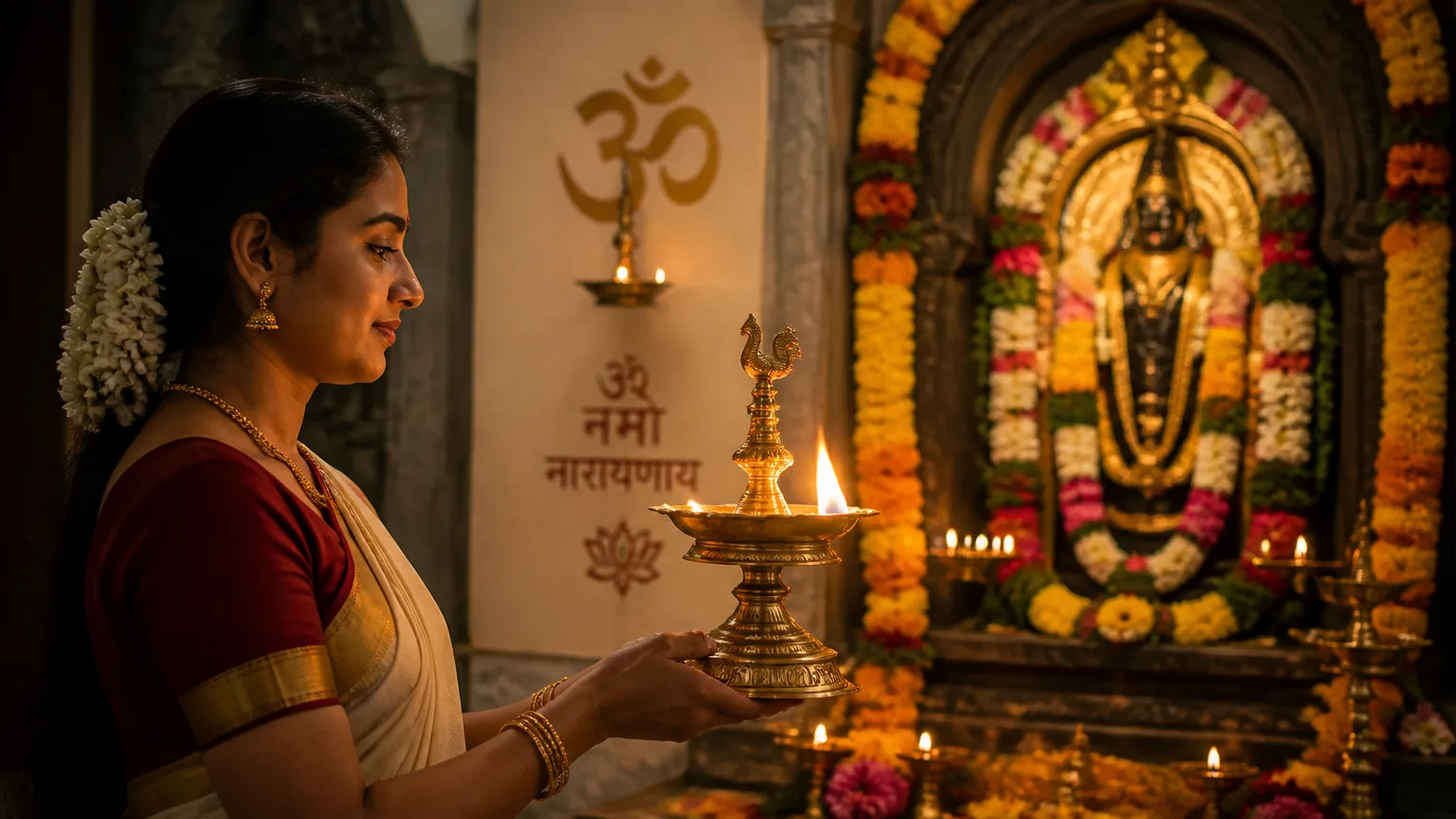
Arati, a sacred ritual of light and devotion, holds profound significance within the Bhakti tradition. This practice not only illuminates the physical space but also serves as a medium to foster a deeper connection with the divine. Through the offering of light, devotees engage in a transformative experience that enhances their spiritual journey.
In Bhakti Yoga, rituals like Arati create opportunities for individuals to express their love and reverence for God. These ceremonies facilitate a sense of community and collective worship, enriching both personal and communal spirituality. The rhythmic chanting and the flickering flames symbolize the removal of darkness and ignorance, inviting divine presence into the heart and home.
This article will explore ten meaningful Arati rituals that can deepen your Bhakti practice. Each ritual offers unique insights and transformative potential, encouraging practitioners to immerse themselves in the experience of devotion. For a more comprehensive understanding of Arati’s significance, consider reading about the profound insights in अर्चना की शक्ति: भक्ति योग में आरती के महत्व और लाभ. Prepare to embark on a journey that intertwines ritual and devotion, guiding you toward a more profound spiritual connection.
1. Evening Arati: A Daily Pause for Reflection
Evening Arati serves as a serene pause at the end of the day, typically performed around sunset. This ritual creates a tranquil atmosphere, allowing practitioners to transition from daily activities to a more reflective state. The gentle flicker of lamps and the soothing sounds of hymns invite participants to immerse themselves in the sacred moment.
During this time, individuals reflect on the day’s events, fostering a sense of gratitude. Each participant is encouraged to contemplate their actions, thoughts, and experiences, promoting personal growth and spiritual awareness. This practice not only cultivates individual reflection but also enhances collective consciousness.
Moreover, evening Arati strengthens community bonds. When performed in groups, it fosters a sense of unity and shared purpose. Participants come together, harmonizing their energies in devotion, which deepens their connection to each other and the divine. Thus, evening Arati becomes a pivotal ritual that enriches both personal and communal bhakti practices.
2. Morning Arati: Welcoming the Divine Light
Morning Arati serves as a vital ritual, marking the beginning of each day with intention and reverence. This practice typically involves lighting a lamp, ringing bells, and offering flowers to the deity, symbolizing the dispelling of darkness and the welcoming of divine light. Each gesture is imbued with meaning, transforming a simple act into a profound spiritual experience.
By performing Arati in the morning, practitioners infuse their day with spiritual energy. This ritual acts as a catalyst for mindfulness, encouraging individuals to focus on their intentions and aspirations. As the light of the lamp flickers, it serves as a reminder to remain present and aligned with one’s higher self throughout the day.
Morning Arati also cultivates a sense of gratitude and devotion. By acknowledging the divine at the start of the day, individuals set a positive tone, fostering resilience and clarity in their daily pursuits. Through this ritual, practitioners deepen their bhakti practice, establishing a sacred connection that reverberates in their actions and interactions.
3. Special Festive Aratis: Celebrating Divine Moments
Festivals like Diwali and Janmashtami significantly enhance Arati practices, creating a unique atmosphere of devotion. During these celebrations, the rituals take on added layers of meaning, as communities gather to honor the divine. The collective energy during these events amplifies the bhakti experience, fostering a profound sense of unity among participants.
For instance, during Diwali, devotees may incorporate special offerings such as sweets and flowers into their Arati. This practice not only enriches the ritual but also symbolizes gratitude for divine blessings. Similarly, the songs sung during Janmashtami often highlight the playful aspects of Lord Krishna, infusing joy and exuberance into the Arati.
These communal celebrations deepen the emotional resonance of the rituals. As participants chant in unison, the shared devotion creates a powerful connection to both the divine and each other. Thus, special festive Aratis serve as pivotal moments in the bhakti journey, celebrating divine moments and enhancing spiritual practices.
4. Arati with Cultural Instruments: Harmony in Sound
The use of musical instruments during Arati significantly enhances the spiritual experience. Instruments such as the harmonium and bells create a rich auditory landscape that elevates the ritual. The harmonium, with its melodious tones, invites participants to engage more deeply, transforming the atmosphere into one of reverence and joy.
Music serves as a conduit for emotional expression, deepening the connection to the divine. When participants chant in unison, the harmonious sounds amplify their devotion, fostering a collective spiritual energy. Live music often encourages community participation, allowing individuals to contribute their own voices and talents. This shared experience strengthens bonds among practitioners.
Additionally, for those interested in mastering the harmonium, resources like Chanting Kirtan: Deepen Your Spiritual Connection Through Practice can offer valuable guidance. Through the integration of cultural instruments, Arati becomes not just a ritual, but a vibrant celebration of faith and community.
5. Personal Arati: Intimacy with the Divine
Personal Arati offers a unique opportunity for individuals to cultivate a one-on-one connection with the divine. By creating a personalized Arati ritual, practitioners can infuse their devotion with specific intentions and offerings that resonate deeply with their spiritual journey.
To initiate a personal Arati, individuals may select a sacred space in their home, adorned with symbols that hold personal significance. Simple items such as flowers, incense, or a small lamp can serve as offerings. The intent behind these offerings transforms the ritual into an intimate dialogue with the divine.
Practitioners often share transformative experiences arising from their personal Arati. For instance, one devotee recounted how lighting a candle while reciting heartfelt prayers allowed her to feel the divine presence more vividly. Such testimonials underscore the profound impact that personal rituals can have on one’s bhakti practice, fostering a deeper sense of intimacy and connection.
6. Arati during Meditation: A Focused Practice
Integrating Arati into meditation can significantly enhance spiritual focus and connection. As a preparatory practice, Arati helps to center the mind and cultivate an atmosphere conducive to deeper reflection. By lighting a candle or holding a lamp, practitioners create a tangible focal point that embodies their devotion.
To incorporate Arati into personal meditation routines, begin by setting aside a dedicated space. Light the lamp, recite prayers, and let the soft glow guide your thoughts inward. This ritual not only marks the transition into meditation, but also reinforces a sense of sacredness.
Many practitioners have reported profound benefits from this combined approach. One devotee shared that performing Arati before meditation helps her quiet her mind and deepen her connection to the divine. Such experiences illustrate how Arati serves as both a meditative focus and a transformative practice, enriching one’s bhakti journey.
7. Community Service Aratis: Collective Energy
Community service Aratis serve as powerful catalysts for collective devotion and outreach. These rituals combine the principles of bhakti with tangible acts of service, strengthening the bonds within the community. Participants gather to perform Arati, channeling their united energy into uplifting both their spirits and those in need.
Organizations like the Sri Sathya Sai Organization exemplify this practice by integrating Arati into their service initiatives. Volunteers partake in rituals before engaging in activities such as food distribution or environmental clean-ups. This connection between devotion and action empowers participants, fostering a sense of solidarity and shared purpose.
Through communal Arati, individuals experience a deepened spiritual connection. The collective energy generated during these rituals enhances the overall impact of their service, making each act not only a gesture of compassion but also a manifestation of divine love.
8. Arati as a Symbolic Gesture: The Light of Hope
The light offered during Arati serves as a profound symbol of hope and spiritual illumination. In many cultures, light signifies knowledge, purity, and the divine presence. When devotees hold the flame, they not only honor the divine but also invite clarity and guidance into their lives.
Nature provides rich metaphors for this symbolism. Consider the dawn, where the first rays of sunlight dispel darkness, bringing warmth and renewal. Similarly, the light in Arati represents the dispelling of ignorance and negativity, fostering a deeper understanding of one’s spiritual path.
Personal experiences further illuminate this connection. Many practitioners reflect on moments where the flickering flame of Arati resonated with their innermost struggles, offering solace and inspiration. Such reflections encourage individuals to explore their unique interpretations of the ritual, deepening their personal bhakti practice.
By recognizing the light’s significance, devotees can transform Arati into a powerful act of devotion, enriching their spiritual journey and reinforcing their connection to the divine.
9. Leveraging Technology in Arati: A Modern Approach
In today’s digital age, technology significantly influences the practice of Arati. Virtual Arati sessions have gained immense popularity, allowing devotees to participate from the comfort of their homes. Many temples and spiritual organizations now stream live Arati ceremonies, fostering a sense of community despite physical distances.
Additionally, various apps and online resources facilitate Arati practices. These platforms often provide guided rituals, devotional music, and instructional videos, making it easier for individuals to engage in their spiritual routines. For instance, apps such as “Bhakti Connect” offer customizable Arati schedules that align with personal devotion.
Embracing technology not only enhances individual practice but also expands the reach of Bhakti. By leveraging these modern tools, devotees can share their rituals and experiences, spreading the essence of Arati across geographic boundaries. This integration of technology into spiritual practice allows for a richer, more inclusive exploration of devotion.
10. Learning from Arati Traditions: A Global Perspective
Arati rituals manifest in diverse forms across cultures, revealing a universal thread of devotion. In India, the traditional practice involves lighting lamps and singing devotional hymns, symbolizing the dispelling of darkness. Conversely, in Japan, the practice of “Mizuko Kuyo” offers a similar homage, where rituals honor departed souls with light and prayer, emphasizing respect for the divine.
In the Caribbean, Hindu communities celebrate Arati during Diwali, integrating local customs into the ritual. This adaptability showcases how Arati can resonate with different cultural contexts while preserving its essence.
Encouraging readers to explore these varied practices enhances the understanding of Bhakti. By embracing a global perspective, devotees can deepen their spiritual journey, appreciating how Arati transcends geographical boundaries and unites diverse expressions of faith.
Integrating Arati into Your Bhakti Journey
Incorporating the diverse Arati rituals discussed enhances spiritual engagement and enriches your bhakti practice. Each ritual serves as a unique pathway to deepen your connection with the divine, encouraging exploration according to personal preferences.
Experimenting with various forms of Arati allows practitioners to discover what resonates deeply within them. For instance, some may find solace in the rhythmic chants of communal Arati, while others may prefer personal, intimate rituals that foster a direct connection with the divine.
Embrace these rituals as daily opportunities for growth. Consistent practice not only cultivates devotion but also contributes to overall well-being, as highlighted in our discussion on भक्ति के लाभ: स्वास्थ्य और मानसिक तंदुरस्ती के लिए जीवन में धार्मिकता का महत्व.
By integrating Arati into your daily routine, you not only deepen your bhakti journey but also foster a vibrant spiritual life.