In the realm of Bhakti Yoga, “alankar” serves as a profound metaphor for spiritual adornment. Just as a beautiful ornament enhances a cherished piece of jewelry, alankar enriches the practice of devotion, imbuing it with emotional depth and vibrancy. This concept encapsulates the essence of devotion, inviting practitioners to express their feelings and connect deeply with the divine.
The significance of alankar extends beyond mere embellishment; it embodies the heart’s yearning for connection and love. In devotional practices, emotional expression becomes a vital component, allowing practitioners to navigate the complexities of their spiritual journey. Whether through song, dance, or prayer, alankar transforms ordinary rituals into profound experiences of communion with the divine.
By understanding alankar, practitioners can unlock new dimensions of their spiritual growth. This guide will explore how these adornments enrich the practice of Bhakti, weaving together the beauty of emotion and devotion. As you embark on this journey, you will discover how alankar can deepen your connection to the divine and elevate your spiritual practice. For those eager to embrace devotion, the path of devotion awaits, promising transformation and fulfillment.
1. The Essence of Alankar: An Overview
Alankar, which translates to “ornamentation,” is a vital aspect of Bhakti traditions, enhancing the spiritual experience through devotion. Its historical roots can be traced back to ancient texts and practices, where devotees adorned deities with flowers, jewelry, and other offerings. This act of beautification symbolizes love and reverence, fostering a deeper connection between the devotee and the divine.
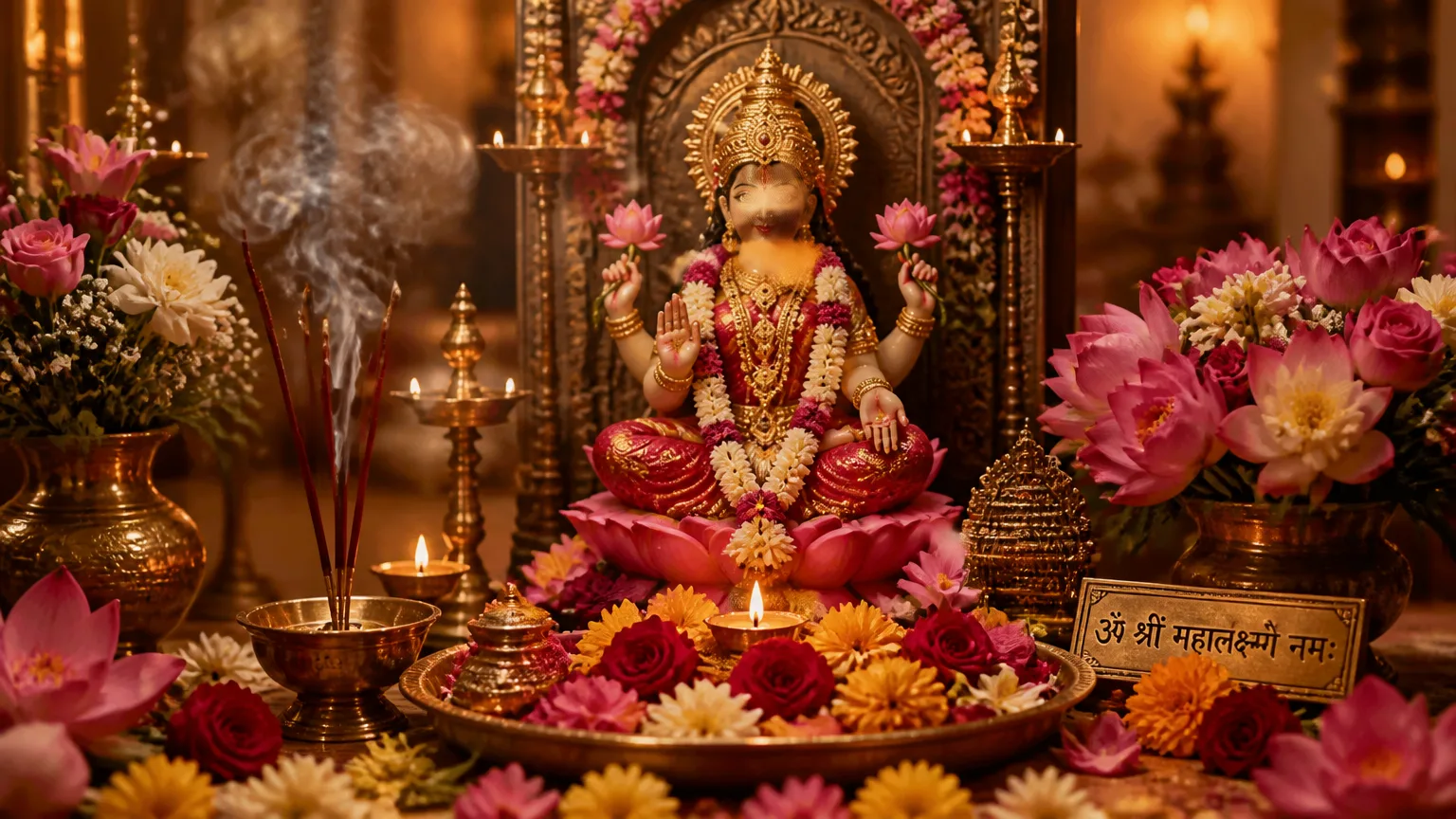
In Bhakti, Alankar serves as a bridge, enriching the emotional and spiritual relationship with the deity. For instance, in the Gaudiya Vaishnavism tradition, devotees often decorate deities with elaborate garments and accessories, transforming the act of worship into a profound expression of love. These embellishments not only honor the divine but also inspire the devotee to cultivate a more intimate bond with the sacred.
By understanding Alankar, practitioners can appreciate its role in devotion, recognizing that every adornment carries meaning. This awareness encourages a more profound engagement with spiritual practices, allowing devotees to experience the beauty and depth of their faith.
2. The Role of Alankar in Bhakti Practices
Alankar plays a significant role in enriching Bhakti practices, serving as a vital expression of devotion. In daily rituals, devotees often use Alankar to enhance their offerings and prayers. For instance, adorning deities with flowers, jewelry, or vibrant fabrics transforms a simple ritual into a spectacular act of reverence. Each adornment is not merely decorative; it carries symbolic meaning, deepening the connection to the divine.
During communal worship, Alankar fosters an atmosphere of unity and shared devotion. When participants engage in collective chanting or singing, the embellishments in their attire or the decorative elements in the space amplify their spiritual experience. The visual and auditory aspects of Alankar create a multi-sensory environment that invites deeper participation.
Incorporating Alankar into a Daily Bhakti Routine can enhance personal practices as well. Simple acts, such as lighting a candle or arranging flowers, can turn mundane moments into sacred ones. This integration not only beautifies the space but also infuses daily life with a sense of purpose and connection to the divine.
3. Alankar’s Impact on Devotional Emotions
Alankar serves as a powerful bridge between the devotee and the divine, enriching emotional experiences within Bhakti. By adorning rituals and spaces, it enhances the aesthetic appeal of devotional practices, fostering an environment conducive to spiritual connection. These adornments, whether physical or metaphorical, evoke feelings of love, reverence, and joy, heightening the overall devotional experience.
For instance, when practitioners engage in the meticulous preparation of offerings—like beautifully arranged flowers or handcrafted items—they infuse their actions with intention and love. This act not only beautifies the space but also transforms mundane routines into sacred moments. Such intentionality catalyzes deeper emotional engagement, allowing devotees to immerse themselves fully in their spiritual practices.
Moreover, the emotional resonance of Alankar can amplify the transformational power of chanting. As practitioners chant with intention, the adorned space enhances their focus and devotion, facilitating profound spiritual experiences. By recognizing the connection between Alankar and emotions, devotees can cultivate a deeper connection with their faith, ultimately enriching their journey in Bhakti.
4. Alankar in the Lives of ISKCON Devotees
Alankar plays a significant role in the daily lives of ISKCON devotees, serving as a tangible expression of their devotion. Many practitioners share how simple acts of adornment transform their spiritual experiences. For instance, one devotee recounts her routine of decorating the altar with fresh flowers every morning. This act not only beautifies her space but also serves as a daily reminder of her commitment to the divine.
Another devotee describes the profound impact of Alankar during communal worship. He notes that the ritualistic dressing of deities with elaborate garments and ornaments elevates the atmosphere, fostering a deeper connection among participants. This communal aspect of Alankar enhances the sense of unity and collective devotion.
Personal testimonies reveal that Alankar often extends beyond the altar. A mother shared how she encourages her children to engage in these practices, teaching them the significance of each adornment. This active participation instills a sense of reverence and understanding of their faith from a young age.
These examples illustrate that Alankar is not merely an aesthetic practice; it embodies devotion and community spirit, enriching the devotional lives of ISKCON followers.
5. Cultivating Alankar in Everyday Life
Incorporating Alankar into daily routines can significantly enhance personal spirituality and strengthen community bonds. Start by creating a sacred space in your home. Simple acts, such as lighting a candle or placing fresh flowers on an altar, can transform ordinary moments into opportunities for reflection and devotion.
Engage in shared practices with your community, such as group prayers or decorating communal spaces for festivals. These activities not only beautify your environment but also foster a sense of unity. For example, organizing a flower-arranging workshop can bring people together, allowing them to express their devotion collectively.
Additionally, consider integrating Alankar into your personal meditation practice. Use adornments like incense or crystals to create an atmosphere conducive to spiritual focus. This intentionality deepens your connection to the divine and enhances your overall experience of Bhakti. By weaving Alankar into everyday life, you cultivate both inner peace and a vibrant community spirit.
Conclusion: Embracing Alankar in the Journey of Bhakti
In summary, Alankar serves as a vital expression of devotion within Bhakti practices, enriching both individual and communal experiences. By adorning spaces and rituals with thoughtful elements, practitioners deepen their connection to the divine, reinforcing the significance of each adornment.
As you explore your own path of Bhakti, consider integrating Alankar into your daily life. Simple actions, such as arranging flowers or lighting candles, can transform ordinary moments into opportunities for sacred engagement.
By embracing Alankar, you not only beautify your spiritual practice but also cultivate a profound sense of purpose. Let this journey inspire you to express your devotion creatively, fostering deeper connections with both your faith and your community.